

Imagine sitting in a university lecture hall — heart full of dreams, mind buzzing with possibilities — but you can't quite hear the professor clearly. Or picture a first-generation university student from a rural village, travelling two hours each way just to attend classes, arriving exhausted before the learning even begins. Now think about the student who works a night shift at a petrol station to pay rent, and somehow still shows up to 8 a.m. lectures with tired eyes but a hungry spirit. These aren't fictional characters. These are real students — maybe someone you know, maybe even you.
Helping university students learn without limits is not just an inspiring phrase. It is a movement, a responsibility, and an urgent conversation we need to have — especially across Africa, where millions of brilliant young minds face barriers that have nothing to do with intelligence or potential. The barriers are financial. They are geographical. They are emotional. They are systemic. And they are very, very real.
But here is the truth that keeps us going: limits are not permanent. Every great innovation, every world-changing idea, every doctor, engineer, teacher, and entrepreneur who ever changed a community — they all sat in a classroom once, fighting through something. The difference between those who made it and those who didn't often came down to one thing: access to the right support at the right time.
In this article, we are going to have an honest, heartfelt, and deeply practical conversation about what it really takes to help university students break through their limitations. We will look at the challenges they face, the tools that are transforming education, the stories that will make you believe again, and the strategies that every student, educator, parent, and institution can put to use — starting today.
Whether you are a student trying to find your footing, a lecturer who wants to do better by your class, a parent wondering how to support your child, or simply someone who believes that education is the greatest gift we can give — this article is for you. Grab your tea or coffee, get comfortable, and let's talk.
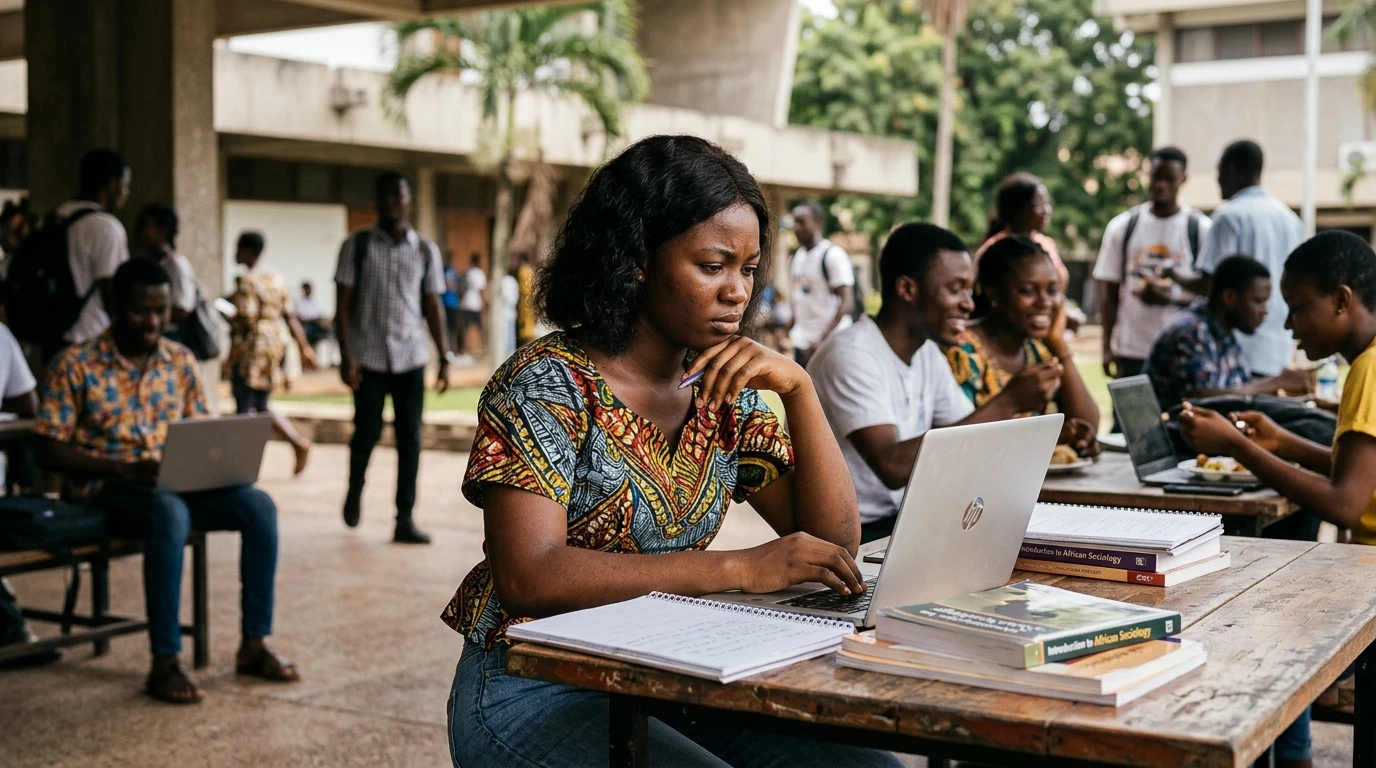
The Real World of a University Student: More Than Just Textbooks
Let us be honest for a moment. When most people picture a university student, they imagine someone living comfortably on campus, going to lectures, attending parties on weekends, and gradually building their career. That picture is beautiful — but for millions of students across Africa and the developing world, it is far from reality.
According to the UNESCO Institute for Statistics, sub-Saharan Africa has the lowest university enrollment rates in the world, with only about 9% of young people accessing tertiary education. That means for every 100 young people in our region, only 9 make it through the university door. And of those 9? Many are fighting battles you cannot see just by looking at them.
A study by the World Bank found that over 60% of university students in low-income countries report financial stress as their primary barrier to academic success. It's not lack of intelligence — it's lack of resources.
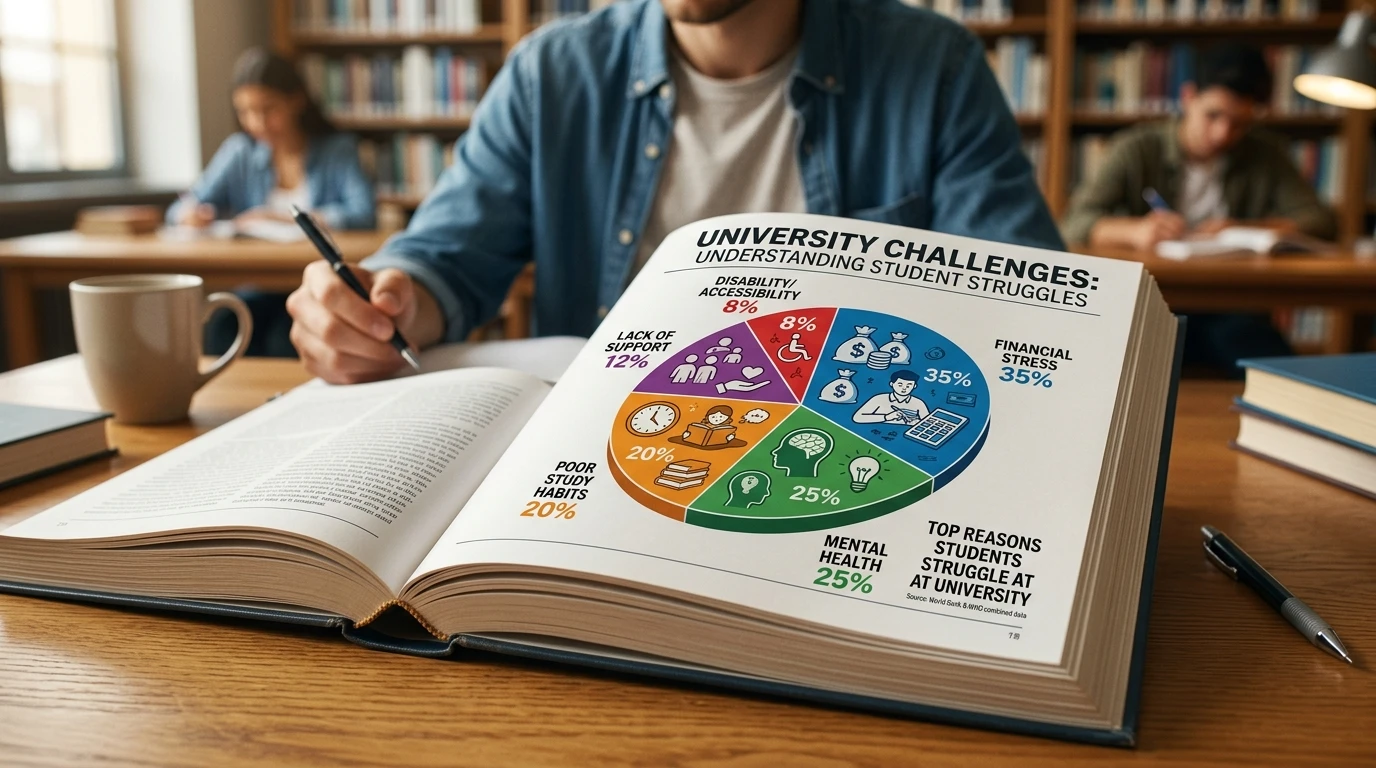
Students today deal with a complex web of challenges:
- Financial pressure — tuition fees, accommodation, food, transport, and textbooks all cost money that many families simply do not have.
- Mental health struggles — anxiety, depression, and loneliness are rising sharply among university students globally.
- Poor infrastructure — inconsistent internet access, overcrowded lecture halls, and limited library resources affect learning quality.
- Family responsibilities — many students, especially women, are expected to care for siblings, parents, or even their own children while studying.
- Identity and belonging issues — first-generation students often feel like they don't "belong" in university spaces built for others.
- Physical and learning disabilities — many students with disabilities still lack proper accommodations and support systems.
Understanding these realities is the first step toward actually helping. You cannot solve a problem you refuse to look at directly. So let us keep looking — because what comes next is where the hope lives.
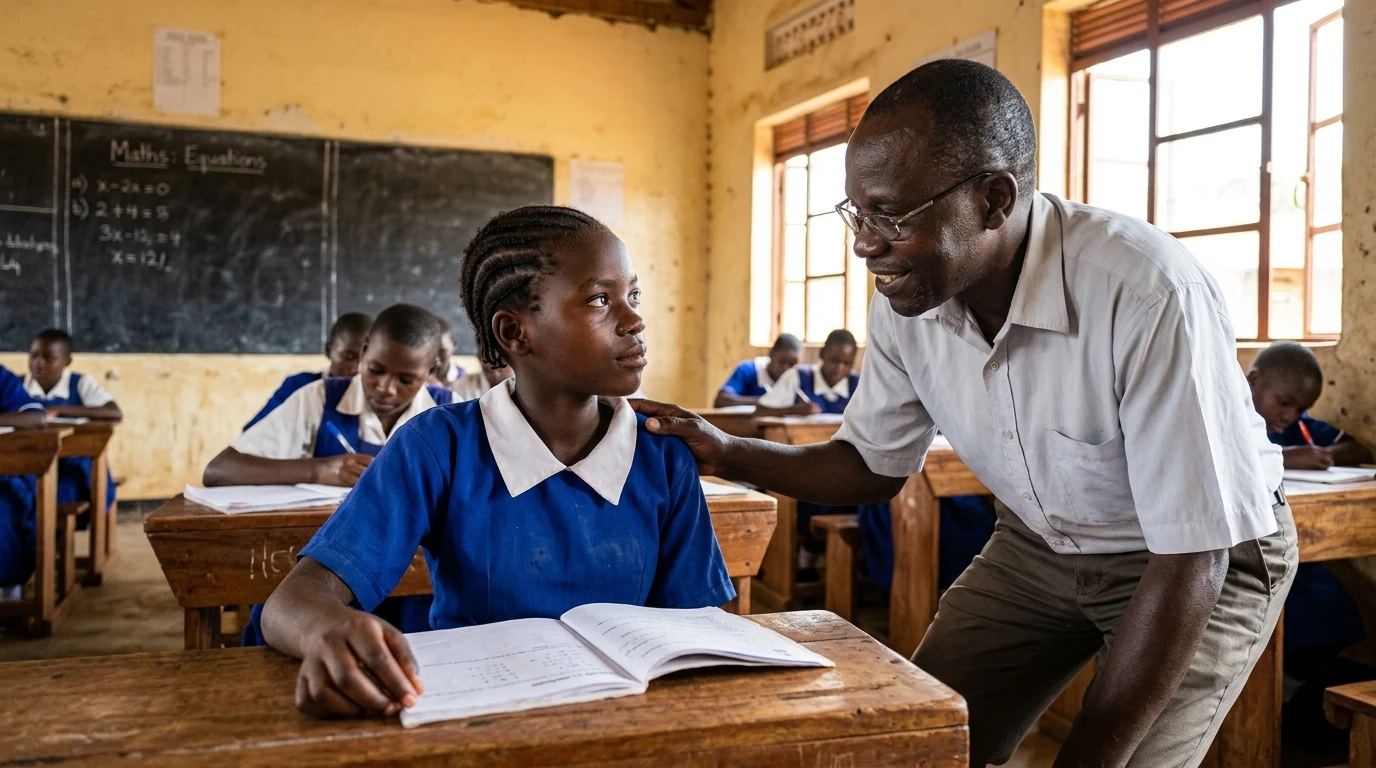
Why Believing in a Student Can Change Everything
There is a powerful concept in psychology called the Pygmalion Effect — the idea that people perform better when others believe in them and hold high expectations of them. The reverse, the Golem Effect, shows that students who are treated as less capable actually perform worse over time.
Research published by Harvard University confirms this: "When teachers expected students to perform well, those students showed measurable improvements in their academic outcomes — regardless of their previous performance levels."
"Every student can learn, just not on the same day, or in the same way."
This applies beyond the classroom. When a parent tells their child, "I know you can do this," when a mentor says, "Your background doesn't define your ceiling," when a university lecturer takes the time to notice a struggling student and offers help — these moments create ripples that change lives.
The Story of Amara — When One Person Changed Everything
Let us talk about Amara (name changed for privacy), a young woman from a small town in West Africa. Amara was the first person in her family to attend university. She arrived on campus with second-hand books, a mobile phone that could barely load the university portal, and a heart full of fear that she didn't belong there.
In her first semester, Amara failed two subjects. Not because she wasn't smart — she had been the top student at her secondary school — but because she had never used a computer properly, she didn't know how to write university-style essays, and she was too afraid to ask for help, convinced that everyone else somehow already knew things she didn't.
Then one afternoon, her sociology lecturer, Dr. Mensah, stayed after class and simply said: "Amara, I see something in you. Can we talk about how I can help?"
Those eleven words turned her story around. Dr. Mensah connected Amara to the university's writing support centre, introduced her to a peer study group, and helped her access a scholarship she didn't even know existed. By the end of her degree, Amara graduated with honours. She now works as an education policy officer — fighting for the very students who look like the person she used to be.
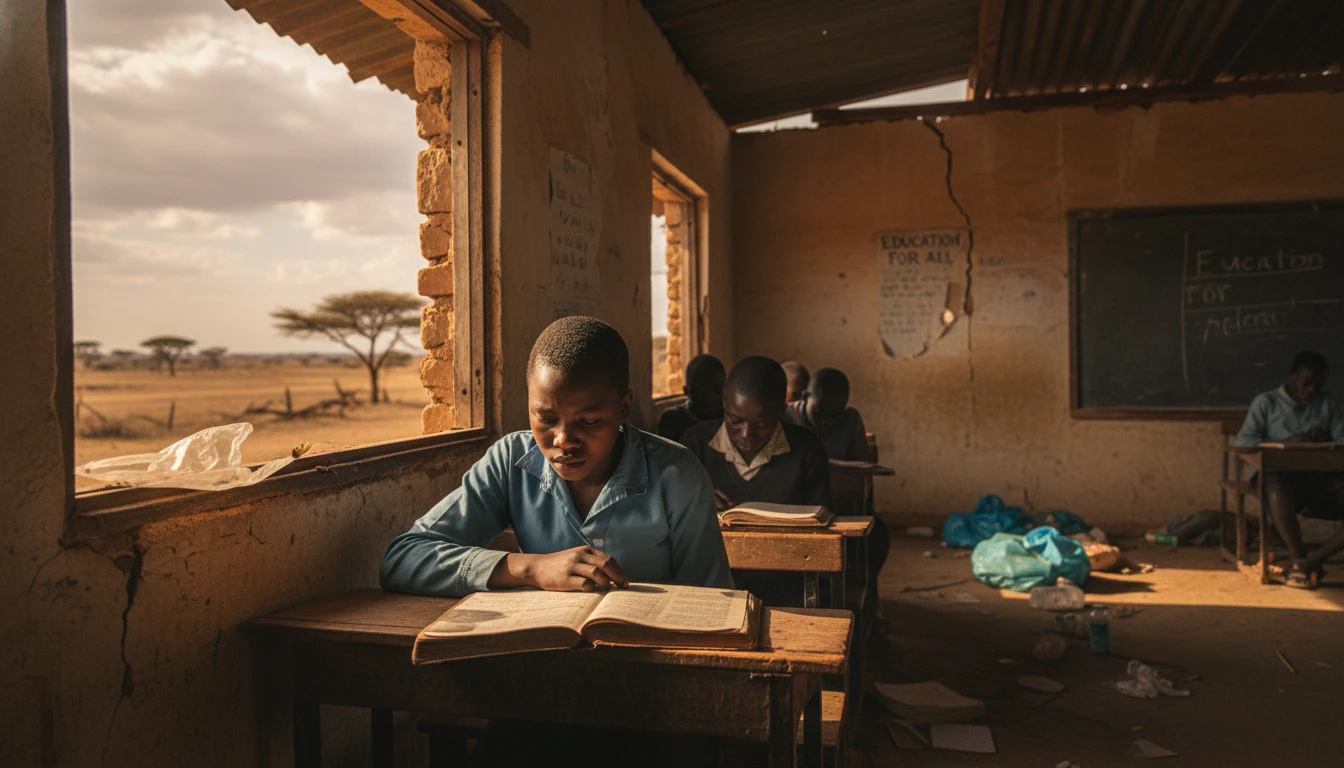
Breaking Down the Barriers: What Really Stops Students From Learning
To help students learn without limits, we need to name the limits clearly. Let us break them down into four major categories:
1. Financial Barriers — The Biggest Wall
Money — or the lack of it — is the single most common reason students drop out of university. According to Statista and the African Development Bank, over 40% of university dropouts in sub-Saharan Africa cite financial reasons as the primary cause for leaving.
The costs add up quickly. Consider this breakdown that many students face monthly:
| Expense Category | Estimated Monthly Cost (USD) | Impact if Unmet |
|---|---|---|
| Tuition/Fees | $50 – $300 | Academic suspension |
| Accommodation | $30 – $150 | Homelessness, long commutes |
| Food | $30 – $80 | Hunger, reduced concentration |
| Textbooks & Materials | $20 – $100 | Poor academic performance |
| Internet / Data | $10 – $40 | Missed assignments, isolation |
| Transport | $20 – $60 | Missed classes |
When you add all of this up and compare it to the average household income in many African countries, you begin to understand why university feels like climbing a mountain barefoot for so many students.
2. Mental Health Barriers — The Silent Struggle
The World Health Organization (WHO) estimates that 1 in 5 university students globally experiences a diagnosable mental health condition — yet the majority never seek help due to stigma, cost, or simply not knowing where to go.
Depression, anxiety, burnout, and imposter syndrome (the feeling that you don't deserve to be where you are) are especially common among first-generation university students and students from disadvantaged backgrounds.
3. Technological Barriers — The Digital Divide Is Real
With education moving increasingly online, access to technology is no longer a luxury — it is a necessity. Yet according to the International Telecommunication Union (ITU), fewer than 30% of households in sub-Saharan Africa have access to the internet at home.
This creates what researchers call the digital divide — a gap between students who have reliable internet, laptops, and digital skills, and those who do not. Students on the wrong side of this divide are not less intelligent. They are simply less equipped.
4. Disability and Accessibility Barriers — No One Should Be Left Behind
Students with physical, sensory, or learning disabilities often face a university environment that was simply not designed with them in mind. Lecture halls without ramps, course materials that aren't available in accessible formats, and a lack of sign language interpreters are just a few examples of how institutions unintentionally exclude some of their most determined students.

Technology as a Bridge: Tools That Are Transforming University Education
Here is where things get exciting. Because for every barrier we just described, technology is offering a bridge. And the beautiful thing about this particular revolution is that it is increasingly accessible — even in low-resource environments.
Open Educational Resources (OERs) — Free Knowledge for Everyone
Open Educational Resources are teaching and learning materials freely available online for anyone to use, adapt, and share. Platforms like MIT OpenCourseWare, Khan Academy, and Coursera for Campus have made university-level content accessible to students who cannot afford expensive textbooks or supplementary materials.
Think about what this means: A student in rural Kenya with a basic smartphone can access the same lecture notes used at the Massachusetts Institute of Technology. That is not a small thing. That is revolutionary.
Learning Management Systems (LMS) — Bringing the Classroom to You
Universities across Africa are increasingly adopting Learning Management Systems like Moodle, Google Classroom, and Blackboard. These platforms allow students to:
- Access lecture recordings and notes after class (great for students who work or commute long distances)
- Submit assignments digitally without having to travel to campus
- Participate in discussion forums with classmates and lecturers
- Track their own progress and grades in real time
Assistive Technologies — Making Learning Accessible for All
For students with disabilities, assistive technology has been a game-changer. Screen readers help students with visual impairments navigate digital content. Speech-to-text tools help students with dyslexia or motor disabilities write essays and complete assignments. Captioning services make video lectures accessible to students who are deaf or hard of hearing.
"Technology, when thoughtfully applied, doesn't just level the playing field — it expands the field entirely."
- Grammarly — writing assistance and grammar checking
- Zotero — free citation and reference management
- Notion / Google Docs — free note-taking and collaboration
- Anki — flashcard-based memory retention tool
- Libby / Open Library — free access to thousands of eBooks
- YouTube EDU — free video tutorials on virtually every subject
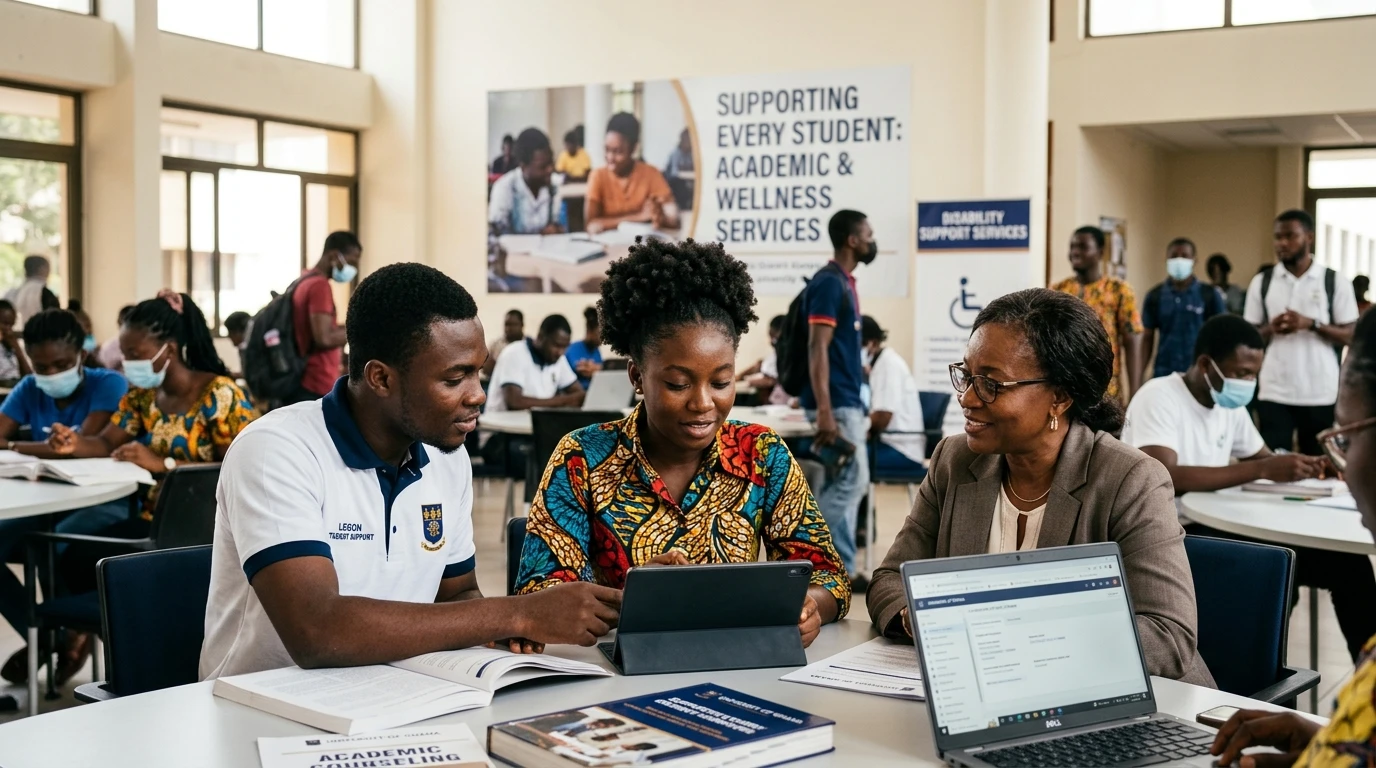
What Universities Must Do: Creating Systems That Support Every Student
Individual effort is powerful. Community support is powerful. But let us be clear: the biggest changes happen at the institutional level. Universities have both the responsibility and the resources to create environments where every student — regardless of their background, identity, or ability — can learn without unnecessary limits.
Here is what inclusive, forward-thinking universities are doing right:
- Financial Aid and Scholarship Programs — Not just merit-based scholarships, but need-based aid that recognizes that a student working nights to pay rent deserves support just as much as a student with straight A's.
- Mental Health Services — On-campus counselling, mental health first aid training for lecturers, and peer support networks that reduce stigma and increase help-seeking behaviour.
- Disability Support Offices — Dedicated teams that work with students with disabilities to ensure they have the accommodations they need — extended exam time, accessible materials, physical infrastructure adjustments.
- First-Generation Student Programs — Orientation programs, mentorship pairings, and dedicated advisors who help first-generation students navigate the unspoken rules of university culture.
- Flexible Learning Pathways — Part-time study options, online modules, and evening classes that acknowledge students have lives and responsibilities beyond academia.
- Free or Subsidised Data and Device Programs — Some universities are providing students with data bundles, laptop loan programs, or on-campus Wi-Fi that extends beyond library hours.
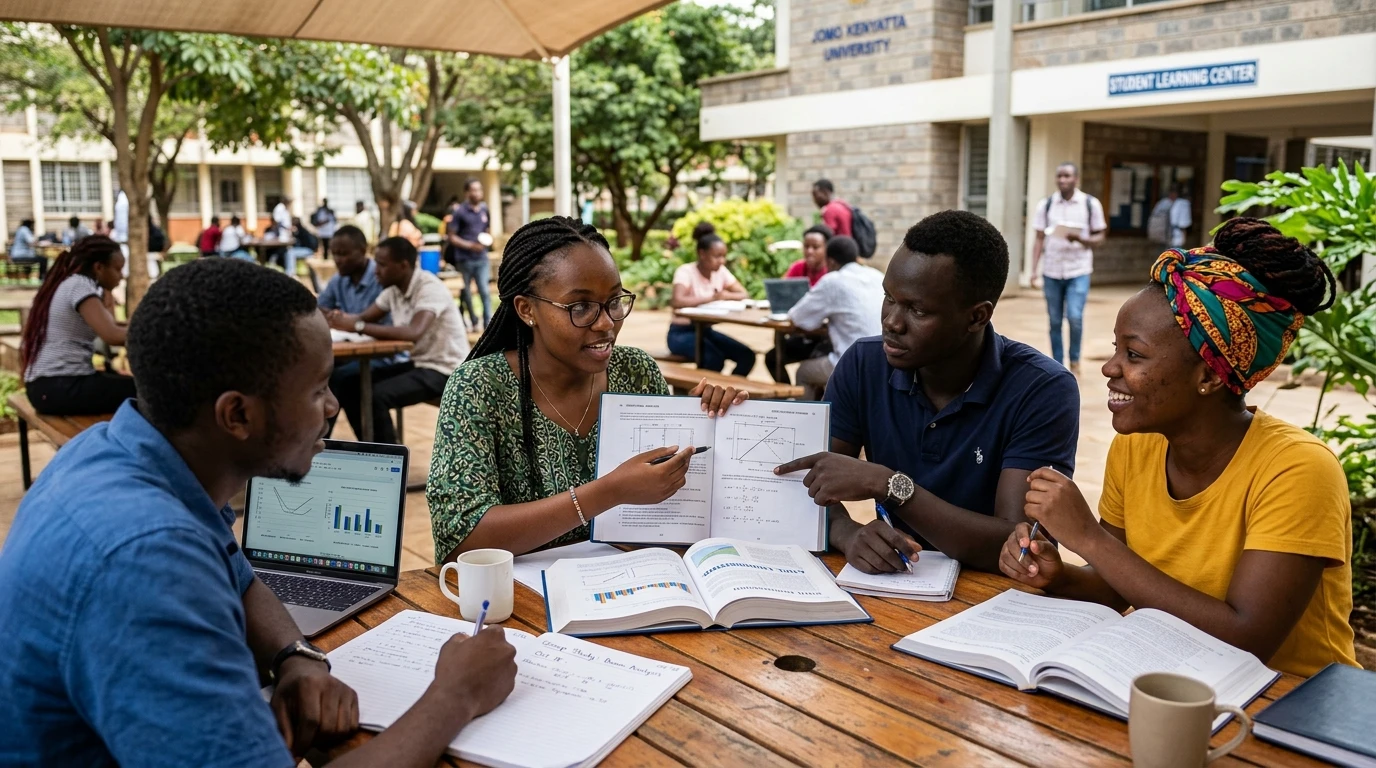
Stronger Together: How Peer Learning and Community Support Transform Academic Outcomes
Here is a question for you: When was the last time you learned something really well because a friend explained it to you?
There is a reason that explanation worked better than the textbook. It was relatable. It was in language you understood. And it came from someone who had just been in your shoes, struggling with the same concept. This is the magic of peer learning.
Research published in the Journal of Educational Psychology shows that students who participate in peer study groups achieve up to 25% higher grades on average compared to those who study alone. And the benefits go beyond grades — they include improved confidence, better communication skills, and a stronger sense of belonging.
How to Build a Study Community That Actually Works
Not all study groups are equal. Here is how to create one that genuinely helps everyone:
- Keep it small — Three to six people is the sweet spot. Large groups often lose focus.
- Set a clear agenda — Know what you are going to cover before you sit down. Wandering discussions waste precious time.
- Rotate the "teacher" role — Each session, one person explains a concept to the group. Teaching is one of the fastest ways to solidify understanding.
- Create a safe space — No question is stupid. The rule in the best study groups is: if you don't understand, you say so. No judgment.
- Use shared digital spaces — Create a WhatsApp group or shared Google Doc where members can post resources, questions, and notes between sessions.
- Include everyone — Make sure quieter members are actively invited to contribute. The most insightful ideas sometimes come from the student who hesitates to speak first.
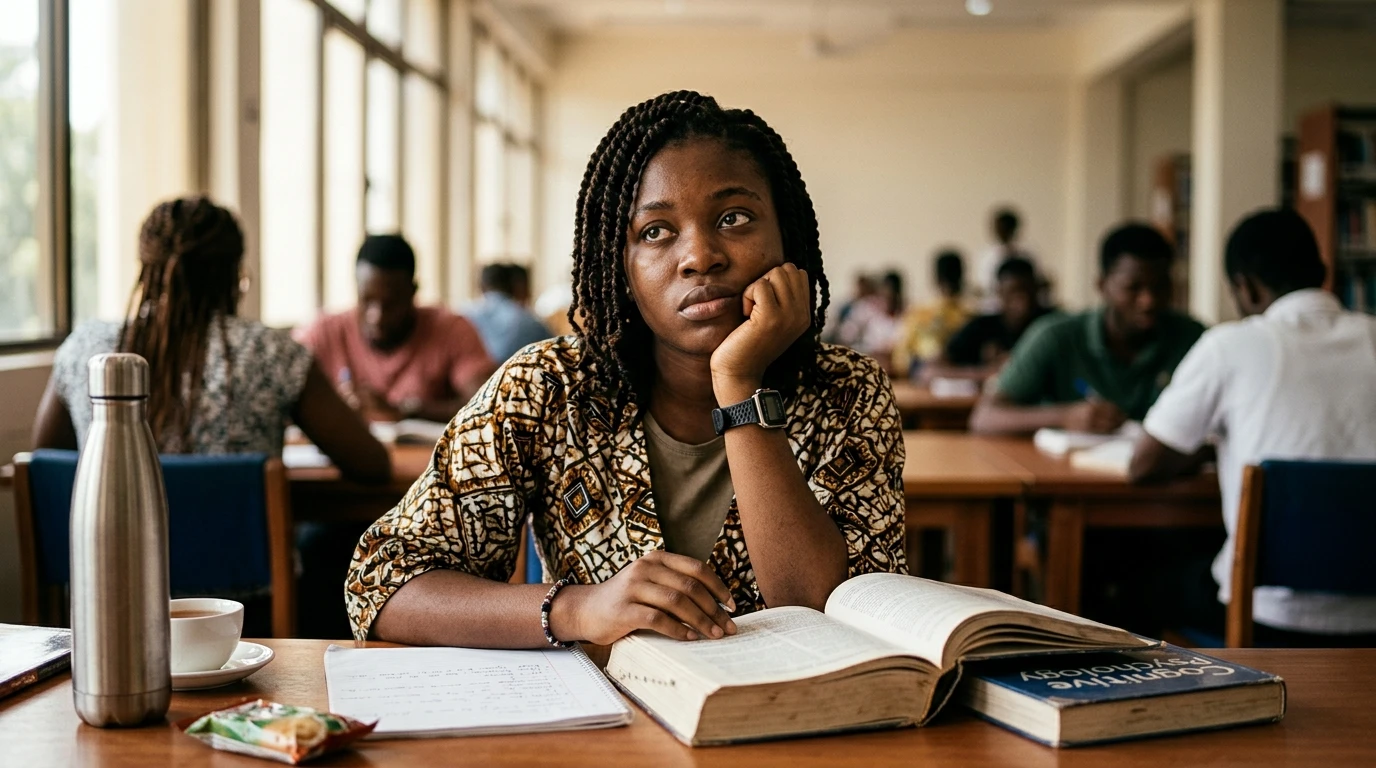
Your Mind Is Not Separate From Your Studies: Mental Health and Learning
We need to talk about this more. Seriously. Because we live in a culture — especially in African communities — where asking for mental health support is still sometimes seen as weakness or "overthinking." But here is the scientific reality: you cannot learn effectively when your mental health is struggling.
When you are anxious, your brain's prefrontal cortex — the part responsible for memory, decision-making, and critical thinking — literally functions at a reduced capacity. When you are depressed, motivation and energy drain away, making it nearly impossible to open a book, let alone absorb and retain what is in it.
According to the American College Health Association, over 40% of university students report feeling so depressed that it was difficult to function, and over 60% report overwhelming anxiety. These are not small numbers. These are your classmates, your friends, possibly you.
Practical Mental Wellness Strategies for Students
- The Pomodoro Technique — Study for 25 minutes, then take a 5-minute break. This prevents burnout and keeps your brain fresh and focused.
- Morning movement — Even 10 minutes of walking or stretching activates endorphins that improve mood and focus for hours.
- Sleep is non-negotiable — Research by Matthew Walker (neuroscientist and author of Why We Sleep) confirms that sleep deprivation cuts cognitive performance as severely as being legally drunk. Rest is part of studying.
- Talk to someone — A friend, a counsellor, a lecturer, a parent. Silence is where struggles grow. Conversation is where healing begins.
- Limit social media during study hours — Social media is designed to be addictive. Protect your focus by putting your phone in another room during deep study sessions.
- Practice gratitude — Writing down three things you are grateful for each morning has been shown in clinical studies to reduce depression and increase resilience. It takes two minutes. It works.
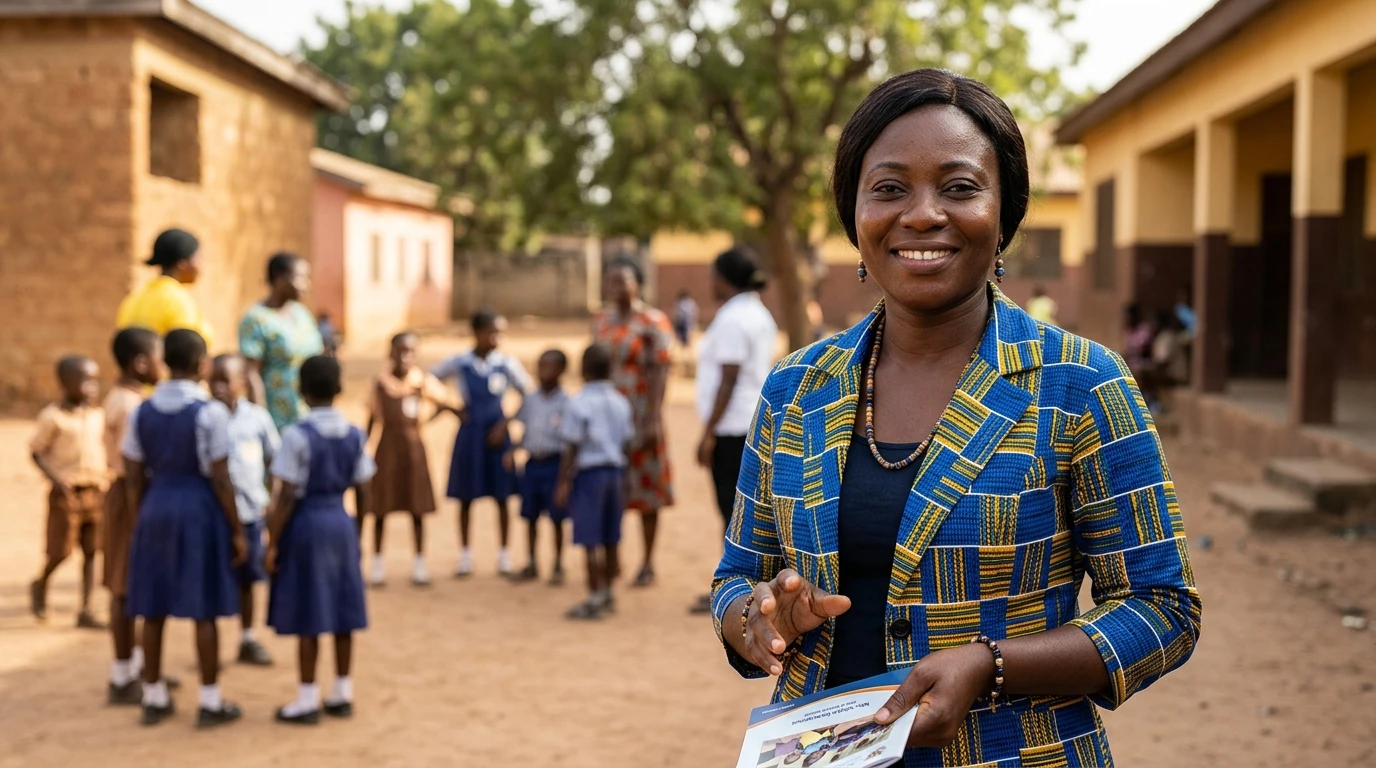
Dear Parents and Families: Your Role Is Bigger Than You Think
If you are reading this as a parent or family member of a university student, please hear this clearly: you matter enormously to your child's success. Not by doing their assignments. Not by paying for everything (though where you can, every bit helps). But by being a source of emotional fuel.
University is often the most psychologically turbulent time in a young person's life. They are trying to figure out who they are, what they believe, what they want, and where they fit — all while managing coursework, social pressures, and financial stress. They need to know that home is safe. That your love is not conditional on their grades.
"The greatest gift a parent can give a university student is the knowledge that failure is not the end — it is data. You try again. We are here."
Here are concrete ways families can support a university student:
- Check in regularly — not with pressure-filled questions about grades, but with genuine care about how they are feeling.
- Celebrate small wins — passed a difficult test? Submitted an assignment on time despite a hard week? Celebrate it. Small wins build momentum.
- Reduce non-academic burdens where possible — if a student is expected to handle heavy household responsibilities during exam periods, have an honest conversation about temporary adjustments.
- Educate yourself about what university life actually looks like today — it is very different from a generation ago, especially with digital learning demands.
- Encourage help-seeking — if your child mentions struggling with mental health, respond with compassion, not dismissal.
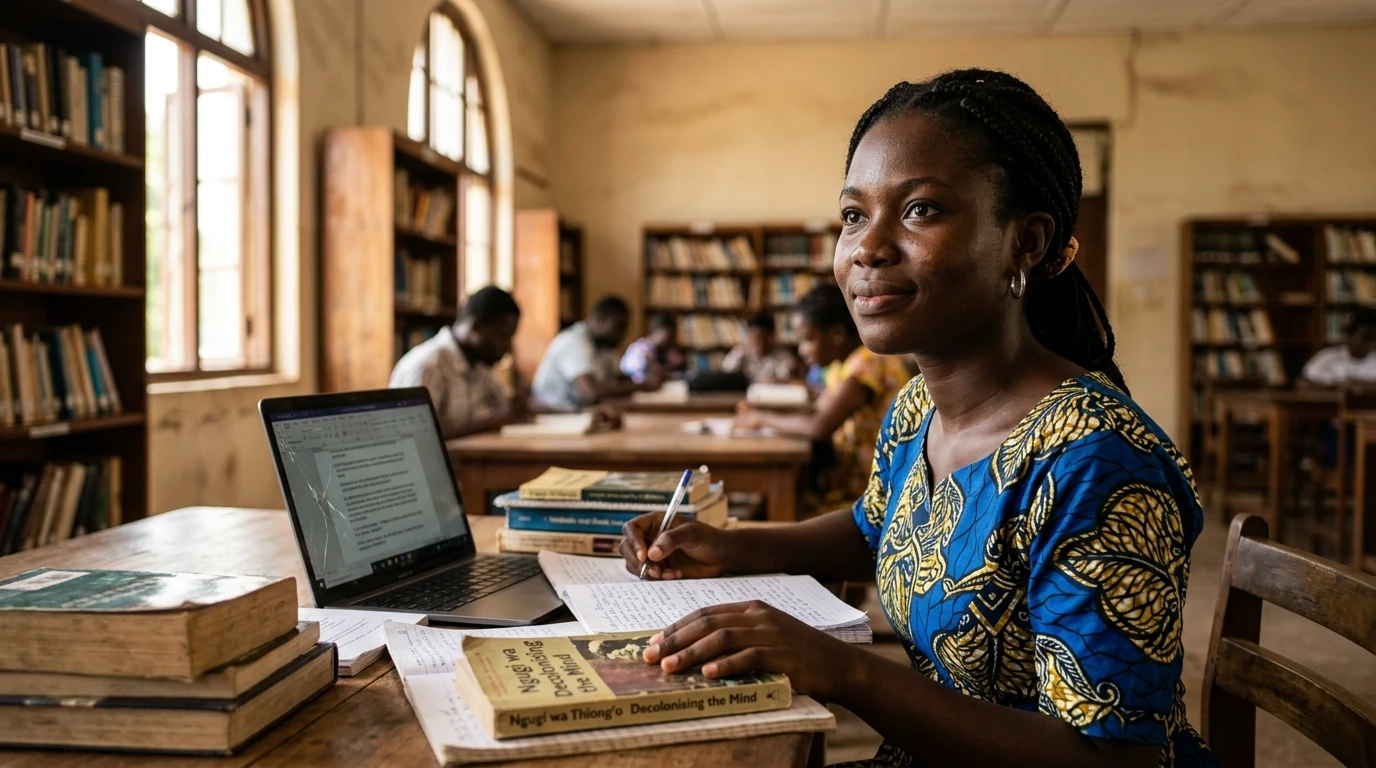
Stories That Will Make You Believe: Real Journeys of Students Who Refused to Give Up
Kwame's Journey: From Dropout Risk to Dean's List
Kwame was studying engineering in Ghana when his father lost his job. Overnight, the small monthly support that kept Kwame's head above water disappeared. He considered dropping out. He had already written a mental goodbye to his degree.
But his roommate noticed something was wrong and introduced Kwame to a campus food bank he didn't know existed. A lecturer, after seeing Kwame's declining attendance, reached out and connected him to an emergency hardship bursary. A university counsellor helped him process the stress he had been carrying silently for months.
Kwame did not drop out. He pushed through. And in his final year, he was on the dean's list — one of the top students in his cohort. He now mentors first-year students navigating financial hardship, because he knows exactly how it feels when the ground beneath you shakes.
Blessing's Story: Learning With a Disability in a University That Wasn't Ready
Blessing was born with a hearing impairment. When she enrolled in a Nigerian university to study law, the institution had no formal deaf support services. No sign language interpreters. No captioned lectures. Just expectation — with no accommodation.
Blessing did something extraordinary. She started a petition. She organized a meeting with the student union and university administration. She researched assistive technology options and brought a proposal with her. It took a full academic semester of advocacy, but the university agreed to pilot a captioning service for lectures and provide her with an interpreter for seminars.
Blessing graduated three years later and is now a practicing lawyer who specializes in disability rights. She changed a whole university's policy because she refused to accept that her limitations were hers to carry alone.
None of these students succeeded in isolation. Every story involves another human being — a roommate, a lecturer, a counsellor, a support service — showing up at the right moment. That human being could be you for someone else.

Your Action Plan: 10 Strategies to Help You Learn Without Limits Starting Today
Enough inspiration — let us get practical. Because inspiration without action is just a feeling. Here are ten strategies that you, as a student, can begin using immediately to upgrade the quality of your learning and break through your personal limits:
- Know your university's support services — Most universities have financial aid offices, counselling centres, disability support units, and academic advisors. Many students never use these because they don't know they exist. Visit your student services department this week and find out what is available to you.
- Create a learning environment — Where you study matters. Find a space that is quiet, consistent, and associated in your mind with focus. Even a specific corner of a library will do.
- Use the "SQ3R" reading method — Survey, Question, Read, Recite, Review. This research-backed technique dramatically improves comprehension and retention compared to passive reading.
- Build a relationship with at least one lecturer — Visit during office hours. Ask a thoughtful question after class. Send a respectful email seeking feedback. Lecturers who know you personally are far more likely to support you when things get difficult.
- Tackle procrastination with the "two-minute rule" — If a task takes less than two minutes, do it immediately. For larger tasks, commit to starting for just two minutes. Starting is always the hardest part.
- Use free academic resources strategically — Before buying any textbook, check: Google Scholar, your university library's online portal, Open Library, and Project Gutenberg. Chances are, you can access what you need for free.
- Join or start a study group — Refer to Section 6 for how to do this well. Consistency and structure are the keys.
- Ask for help before you fall behind — The moment something starts feeling confusing, that is when you act. Waiting until you are completely lost makes recovery ten times harder.
- Track your energy, not just your time — Some students study for hours with almost no result because they are doing so during their low-energy windows. Learn when your brain is sharpest (morning? evening?) and protect that time fiercely for deep work.
- Write your "why" down and keep it visible — Why are you in university? What dream drove you here? Write it down and stick it where you will see it every day. On the hardest days — and there will be hard days — your "why" is what keeps you in the room.
To the Educators Reading This: You Have More Power Than You Know
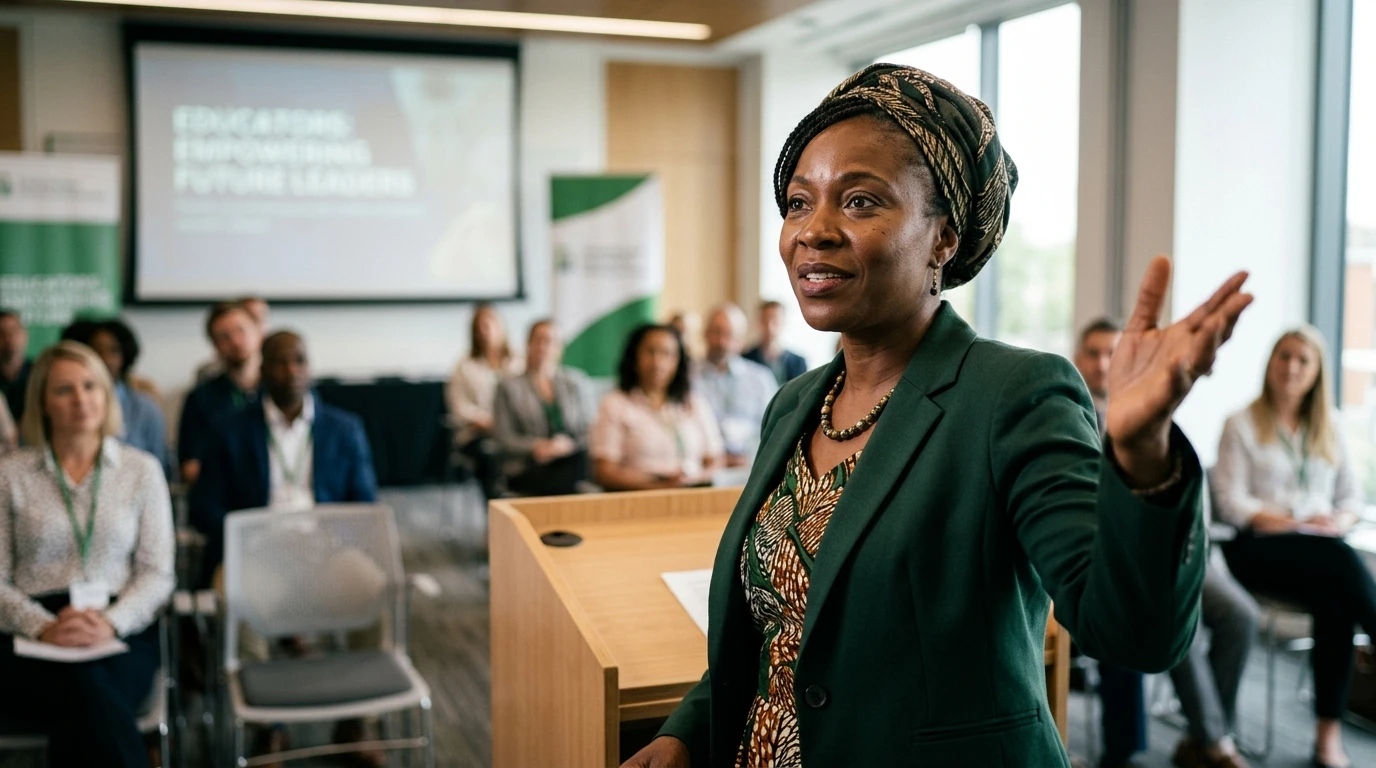
Teaching is not just a profession. At its best, it is a form of love — a commitment to seeing potential in another person and refusing to give up on it. If you are a lecturer, tutor, teaching assistant, or secondary school teacher helping students prepare for university — this section is written directly for you.
The research is unambiguous: teacher quality is the single most influential in-school factor in student academic outcomes. A landmark study by education researcher John Hattie, published in his groundbreaking work Visible Learning — a synthesis of over 800 meta-analyses involving more than 15 million students — found that the teacher-student relationship ranks among the highest influences on student achievement. Higher than class size. Higher than school funding. Higher than homework.
That is both a profound responsibility and a tremendous opportunity. Because it means that you — the educator in the room — hold something no government budget or technology platform can fully replace: the power of human connection, belief, and intentional teaching.
What Transformative Educators Do Differently
Across decades of educational research and real classroom experience, certain teaching behaviours consistently stand out as difference-makers for students who are on the edge — the ones teetering between staying and giving up:
- They learn their students' names quickly and use them. This sounds simple, but the message it sends is profound: You are not anonymous here. You matter as an individual. Research from the Journal of Experimental Education confirms that students whose teachers know their names report higher engagement and lower dropout intention.
- They make their learning objectives explicit. Students learn better when they know exactly what they are supposed to understand by the end of a lesson. Transformative educators begin every session with a clear, honest statement of purpose — and they return to it at the end.
- They give feedback that builds, not just evaluates. There is a critical difference between feedback that says "This is wrong" and feedback that says "Here is where your thinking broke down, and here is how to correct it." The latter is actionable. The former is just a verdict.
- They normalise struggle. When a lecturer says openly, "This concept confused me when I first learned it too — here is how I worked through it," the message is powerful: Confusion is not failure. Confusion is the beginning of understanding.
- They notice when a student goes quiet. In a large lecture hall, it is easy to miss the student who stopped asking questions, stopped submitting assignments, stopped showing up. Great educators pay attention to silence. They reach out. Sometimes a simple email — "I noticed you weren't in class this week. I hope you are okay. I am here if you need anything" — is enough to pull a student back from the edge.
"I have come to believe that a great teacher is a great artist and that there are as few as there are any other great artists. Teaching might even be the greatest of the arts since the medium is the human mind and spirit."
Practical Inclusive Teaching Strategies Any Educator Can Start Using Now
Inclusive teaching does not require a complete curriculum overhaul or an enormous budget. It requires intention, empathy, and a willingness to adapt. Here are evidence-based practices that transform classrooms into spaces where more students thrive:
- Universal Design for Learning (UDL) — This framework, developed by researchers at CAST (Centre for Applied Special Technology), encourages educators to present information in multiple formats — visual, auditory, and written — so that students with different learning styles and abilities can access the same content. A lecture supplemented with slides, followed by a short group discussion, and backed by a written summary covers far more learners than a lecture alone.
- Flexible assessment options — Where possible, offer students a choice in how they demonstrate understanding. A student who struggles with written exams but excels in oral presentations or practical demonstrations is not less knowledgeable — they are differently expressive. Assessment flexibility reveals ability that rigid formats often hide.
- Anonymous feedback channels — Create a simple, regular mechanism — a short online form, an anonymous suggestion box — through which students can tell you what is working and what is not. Many students who would never raise their hand will tell you honestly in writing. That feedback is gold.
- Integrate real-world African context into your teaching — Students engage more deeply when the material connects to their lived experience and environment. An economics lecturer who illustrates market theory with examples from Lagos or Nairobi markets, or a biology professor who connects cell theory to traditional healing practices, is not lowering academic standards — they are raising engagement. And engaged students learn more.
The UNESCO Teacher Task Force and African Union's Continental Education Strategy for Africa (CESA 2016–2025) both offer free, downloadable frameworks and toolkits for inclusive, high-quality teaching across African higher education institutions. These are worth bookmarking.
The bottom line is this: great teaching is a daily act of courage and care. It means showing up not just prepared, but present — truly present — for the human beings sitting in front of you. And in doing so, you become part of every future those students build. There is no more lasting legacy than that.
The Future of Learning in Africa: Technology, Innovation, and What Comes Next
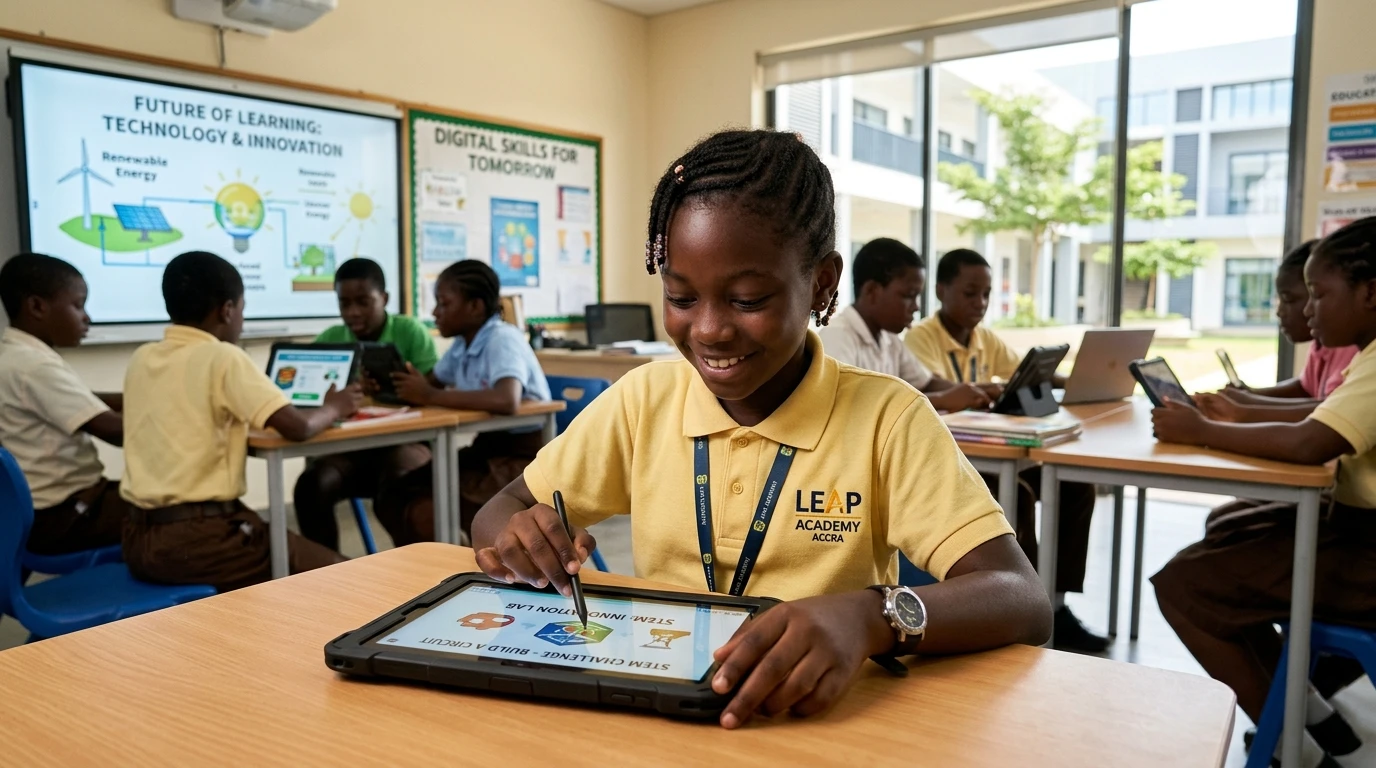
If the past decade taught us anything, it is that the future of education will not wait. The COVID-19 pandemic — as devastating as it was — forced a global experiment in digital learning that many African universities had been hesitant to try. Almost overnight, classrooms moved online, lectures became videos, and WhatsApp groups became informal tutorial sessions. And while the transition was painful and uneven, it also revealed something important: students are far more adaptable than institutions often give them credit for.
The question now is not whether technology will shape the future of African university education. It already is. The real question is: who gets to benefit from that transformation? Because if we are not intentional, technology will simply replicate the inequalities that already exist — giving more advantages to students who already have them, and leaving behind those who do not.
According to a 2023 report by the African Development Bank, Africa's edtech (educational technology) sector grew by over 50% between 2020 and 2023, attracting significant investment from both local entrepreneurs and international foundations. Platforms built in and for Africa — designed with African internet conditions, African languages, and African educational contexts in mind — are beginning to fill gaps that global platforms were never designed to address.
African-Born Edtech Solutions Worth Knowing
It is worth celebrating the innovators closest to home. These platforms are specifically designed to serve African students and educational contexts:
- uLesson (Nigeria) — A mobile-first learning platform that works on low-bandwidth connections and provides curriculum-aligned video lessons for secondary and university-preparatory students across West Africa. As of 2023, uLesson had reached over one million learners.
- Ulearngo (Kenya) — Focused on making professional and vocational skills accessible to students and young workers in East Africa through short, practical courses delivered via mobile devices.
- Snapplify (South Africa) — A digital publishing and learning platform that partners with schools and universities to deliver affordable eBooks and interactive content, reducing dependence on costly physical textbooks.
- Africa Nazarene University's mobile learning initiative — One of the first Kenyan universities to deliver accredited coursework via SMS and basic mobile phones, making tertiary access possible even for students without smartphones or reliable internet.
These are not small stories tucked away in a corner of the internet. These are signals of a continent that is building its own educational future — on its own terms, in its own languages, and with its own students at the centre. And that deserves to be said loudly and clearly.
Artificial Intelligence and Personalised Learning — A Cautious but Hopeful Look
Artificial Intelligence (AI) in education is generating enormous conversation globally — and for good reason. AI-powered learning tools can, in theory, analyse how an individual student learns, identify gaps in their understanding, and adjust the pace and style of instruction accordingly. This is called adaptive learning, and when it works well, it is like having a personal tutor available twenty-four hours a day, seven days a week.
Tools like Khan Academy's Khanmigo, Duolingo's AI tutor, and platforms like Carnegie Learning have already demonstrated measurable improvements in student outcomes in pilot programmes across several countries. A 2022 study published in the journal Computers & Education found that students using adaptive AI learning platforms performed, on average, 15–20% better on assessments compared to those receiving only traditional instruction.
AI in education is not without risks. Concerns around data privacy, algorithmic bias, the erosion of critical thinking, and the very real danger of replacing human educators with cheaper digital alternatives must be taken seriously. Technology should augment great teaching — never replace it. The goal is always a more human educational experience, not a less human one.
For African students and institutions navigating AI tools, the most important principle is this: use technology as a servant, not a master. The student who uses AI to deepen their understanding, check their reasoning, and explore new perspectives is gaining power. The student who uses AI to avoid thinking altogether is quietly dismantling the very skills that a degree is supposed to build.
Low-Tech and No-Tech Solutions Still Matter
For all the excitement about digital innovation, we must be careful not to create a new form of exclusion — one where students without reliable electricity, smartphones, or data bundles are left behind by an education system that has moved entirely online without looking back.
The most effective approaches to widening access are hybrid ones — combining digital tools with physical resources, peer-to-peer support, and community-based learning. Radio-based education, for example, remains one of the most cost-effective and widely accessible learning delivery mechanisms in rural Africa. The BBC Media Action and several national broadcasters across the continent have used educational radio programming to reach students in areas where internet connectivity is still years away.
Print-based open learning materials, community study centres, and itinerant tutoring programmes are equally valid tools in the mission to help university students learn without limits. The measure of a good solution is not how sophisticated it is — it is how many students it actually reaches and how much it genuinely helps them learn.
According to the GSMA Mobile Economy Sub-Saharan Africa 2023 Report, while mobile internet adoption is growing rapidly, approximately 45% of the sub-Saharan African population still lacks mobile internet access. Any educational strategy that ignores this reality is a strategy that excludes nearly half of the continent.
Helping university students learn without limits, then, is not a one-size-fits-all mission. It is a mosaic of solutions — digital, analogue, individual, institutional, technological, and deeply human — working together across different contexts, different needs, and different realities. The commitment is not to one method. The commitment is to every student.
And that commitment, when held by enough educators, institutions, families, peers, and students themselves, becomes something more than policy or strategy. It becomes a culture. A culture where no student is invisible, no struggle goes unnoticed, and no potential is wasted simply because the right support did not show up at the right time.
That is the Africa we are building. One student, one classroom, one moment of belief at a time.
Frequently Asked Questions: Helping University Students Learn Without Limits
What does it mean to help university students learn without limits?
Helping university students learn without limits means removing the academic, financial, technological, and psychological barriers that prevent students from reaching their full potential. It involves creating inclusive learning environments, providing access to digital tools, offering flexible study options, and building support systems that accommodate every student's unique background, ability, and circumstance — ensuring no student is left behind regardless of where they come from.
What are the biggest barriers preventing university students from learning effectively?
The most common barriers include financial hardship, limited access to reliable internet and devices, mental health challenges, language barriers, inadequate study materials, and poor institutional support. According to UNESCO (2023), over 40% of students in developing regions cite economic constraints as their primary obstacle to academic success. Social isolation, disability-related challenges, and inconsistent teaching quality also significantly hinder effective learning for many university students across Africa and beyond.
How can technology help university students learn without limits?
Technology bridges the gap between students and quality education through e-learning platforms, digital libraries, AI-powered tutoring tools, and virtual classrooms. Apps like Khan Academy, Coursera, and Google Classroom allow students to access world-class resources regardless of their location. Assistive technologies also support students with disabilities. When universities invest in affordable data access and digital infrastructure, technology becomes a powerful equaliser that helps university students learn without limits — anytime, anywhere.
How does mental health affect university students' ability to learn?
Mental health has a profound impact on academic performance. The World Health Organization (WHO) reports that depression and anxiety are among the leading causes of disability worldwide, directly affecting concentration, memory retention, and motivation. University students facing unaddressed mental health challenges often experience declining grades, absenteeism, and dropout. Institutions that provide accessible counselling services, peer support groups, and stress management programmes create environments where students can thrive academically and emotionally.
What role do African universities play in helping students learn without limits?
African universities are increasingly adopting blended learning models, expanding scholarship programmes, and partnering with organisations like the African Development Bank and UNESCO to widen access to quality education. Institutions such as the University of Cape Town and the University of Ghana have introduced open educational resources and disability-inclusive policies. However, more investment in infrastructure, faculty development, and student welfare services is still needed to ensure every African university student can genuinely learn without limits.
Are there free resources available to support university students who are struggling academically?
Yes — numerous free resources exist to support struggling university students. Open Educational Resources (OERs), MIT OpenCourseWare, African Virtual University, and platforms like edX offer free or low-cost academic content. Many universities also provide free access to academic journals via portals like JSTOR and Research4Life. Additionally, peer tutoring programmes, writing centres, and student academic support units within universities offer free one-on-one guidance to help students overcome specific learning challenges.
How can university students with disabilities access equal learning opportunities?
Universities are legally and ethically obligated to provide reasonable accommodations for students with disabilities. These include extended exam time, screen readers, sign language interpreters, accessible campus facilities, and alternative assessment formats. The UN Convention on the Rights of Persons with Disabilities (CRPD) mandates inclusive education at all levels. Students should register with their institution's disability support office early to access tailored services. Advocacy for universal design in learning further ensures equitable participation for all students.
What study strategies actually work for university students who want to improve their academic performance?
Research-backed strategies that consistently improve university academic performance include spaced repetition, active recall testing, the Pomodoro technique for time management, mind mapping for complex topics, and collaborative study groups. According to a study published in Psychological Science in the Public Interest, retrieval practice and distributed learning significantly outperform passive re-reading. Students are also encouraged to minimise distractions, prioritise sleep, and set specific, measurable academic goals to sustain long-term progress and motivation.
How can parents and families support university students in their academic journey?
Family support plays a critical role in university students' academic success. Parents can provide emotional encouragement, help manage financial stress where possible, and create a positive home study environment during holidays. Avoiding excessive pressure while maintaining open, non-judgmental communication helps students feel supported rather than overwhelmed. Families should also educate themselves about the mental health challenges university students face and encourage their children to seek professional help when needed, without stigma or dismissal.
What practical steps can universities take today to help students learn without limits?
Universities can take immediate, practical steps to help students learn without limits by expanding Wi-Fi coverage across campuses, subsidising data bundles, hiring more academic support staff, integrating mental health services into student life, and updating curricula to reflect diverse cultural contexts. Establishing emergency bursary funds, partnering with local NGOs for food security programmes, and training lecturers in inclusive teaching practices are equally important. According to the African Union's Continental Education Strategy for Africa (CESA 2016–2025), institutions that adopt student-centred policies consistently report lower dropout rates and higher graduate employment outcomes. Small, sustained commitments at the institutional level create ripple effects that transform entire student populations.
Scholarships, Grants, and Funding: What Every African University Student Should Know
One of the most persistent myths that holds students back is the belief that financial assistance is only for a select few — the academically exceptional, the politically connected, or the lucky. The truth is considerably more encouraging. There are more scholarships, grants, and funding opportunities available to African university students than most people realise. The challenge is not always scarcity of funding. Often, it is a scarcity of information.
According to the African Scholarship Initiative (2023), billions of dollars in scholarship funding go unclaimed every year — not because students are unqualified, but because they simply did not know the opportunity existed, missed the application deadline, or felt the process was too intimidating to attempt. That is an avoidable tragedy, and one we can address right here.
Categories of Funding Available to African Students
Financial support for university students typically falls into several distinct categories, each with different eligibility criteria and application processes:
- Merit-Based Scholarships — Awarded on the basis of academic achievement, leadership potential, or specific talents. Examples include the Mastercard Foundation Scholars Program, which has supported over 50,000 African students across partner universities, and the African Leaders of Tomorrow (ALT) Scholarship.
- Need-Based Grants — Designed specifically for students from low-income households, these do not require exceptional grades — only demonstrated financial need. Many national governments and universities maintain need-based funds that are significantly underutilised.
- Subject-Specific Scholarships — Funding targeted at students in high-demand fields such as STEM, medicine, education, agriculture, and public health. The Wellcome Trust, Bill and Melinda Gates Foundation, and various African Union programmes actively fund students in these disciplines.
- Government Bursaries and Loans — Most African countries operate some form of national student funding scheme. In South Africa, the National Student Financial Aid Scheme (NSFAS) supports hundreds of thousands of students annually. Nigeria's Education Trust Fund and Kenya's Higher Education Loans Board (HELB) serve similar functions in their respective countries.
- International Scholarships — Programmes like the Chevening Scholarship (UK), Fulbright Program (USA), DAAD Scholarships (Germany), and Commonwealth Scholarship are open to African students and cover tuition, living expenses, and travel costs in full.
- Emergency Hardship Funds — Many universities maintain internal emergency bursaries for students experiencing sudden financial crises — a parent losing their job, a medical emergency, a family bereavement. These funds are rarely advertised loudly, but they exist. Students should ask their financial aid office directly.
Set aside one hour this week to visit your university's financial aid office and ask three specific questions: (1) What need-based funding is available right now? (2) What are the upcoming scholarship deadlines I should know about? (3) Is there an emergency fund I can access if I face a financial crisis? You may be surprised by what is available that nobody told you about.
How to Write a Scholarship Application That Actually Gets Read
Knowing opportunities exist is only half the battle. Many deserving students lose scholarships not because they lack merit, but because their applications fail to communicate their story compellingly. Here are the principles that strong scholarship essays consistently share:
- Be specific, not generic. "I want to study medicine to help my community" is heard thousands of times. "I want to study medicine because I watched my grandmother die from a preventable illness in a community with no accessible clinic, and I intend to return and change that" tells a real story that lingers in the reader's mind.
- Show, do not just tell. Instead of writing "I am a hardworking and determined person," describe a moment when your hardwork and determination were tested and what you did. Concrete experiences are always more persuasive than abstract character claims.
- Connect your past to your future. The best scholarship essays form a coherent arc: where you came from, what shaped your goals, where you are going, and why this specific scholarship is the bridge between here and there.
- Proofread meticulously. A single avoidable spelling error in a scholarship essay sends a quiet but damaging message about attention to detail. Ask two trusted people to read your application before submitting it.
- Apply even when you think you won't win. The students who receive scholarships are not always the most qualified. They are the ones who applied. Rejection is information. Keep applying.
"Opportunities do not go to the most deserving. They go to those who find them, prepare for them, and courageously reach out to claim them."
Building Resilience: The Most Important Skill a University Student Can Develop
We have talked about breaking external barriers — financial, technological, institutional. But there is one more barrier we must address honestly, and it lives inside every student: the internal battle between giving up and going on.
University will test you. Not just academically — though it will certainly do that. It will test your identity, your values, your relationships, your capacity to handle failure, and your ability to begin again after disappointment. The students who complete their degrees are not, on average, the most naturally gifted. They are, by and large, the most resilient.
Resilience is not a personality trait you either have or do not have. It is a skill — a collection of habits and mindsets that can be deliberately built, strengthened, and practised. Research by Dr. Martin Seligman, founder of Positive Psychology at the University of Pennsylvania, identifies three core components of resilience that predict how people recover from setbacks:
- Personalisation — Resilient people do not interpret every failure as proof that they are fundamentally flawed. They separate what happened from who they are. A failed exam is a failed exam. It is not a failed life.
- Pervasiveness — Resilient people contain difficult experiences rather than allowing them to bleed into every area of life. One bad semester does not mean every semester will be bad. One difficult lecturer does not mean all lecturers will be difficult.
- Permanence — Resilient people trust that hard times will pass. They think in seasons, not sentences. "This is hard right now" is very different from "This will always be hard."
A landmark longitudinal study by the American Psychological Association (APA) tracking 1,200 university students over five years found that students who scored highest on resilience measures were three times more likely to complete their degree than students with lower resilience scores — even when controlling for academic ability and financial resources. Resilience, quite literally, outperforms talent over time.
Final Thoughts: Breaking Down Every Barrier to Learning
Helping university students learn without limits is not a distant ideal — it is an achievable
reality when institutions, educators, families, and students themselves commit to the right
strategies. Across Africa and beyond, the students who thrive are not always the most
privileged; they are the ones who find the right tools, the right support systems, and the
right mindset at the right time. That combination can be deliberately engineered — and it
starts with awareness.
Whether you are a student navigating financial hardship, a lecturer redesigning your course
delivery, a parent trying to understand what your child truly needs, or a policymaker
shaping the next education budget — the message is the same: access, flexibility,
mental wellness, digital inclusion, and peer community are not optional extras. They are
the foundation of equitable, world-class education.
Take one concrete step today. Share this article with a university student in your life who
is quietly struggling. Better yet, forward it to a faculty member, a student union leader,
or a school administrator who has the power to change policy. A single conversation, sparked
by the right information, has transformed entire institutions before.
Helping university students learn without limits is not a distant ideal — it is an achievable reality when institutions, educators, families, and students themselves commit to the right strategies. Across Africa and beyond, the students who thrive are not always the most privileged; they are the ones who find the right tools, the right support systems, and the right mindset at the right time. That combination can be deliberately engineered — and it starts with awareness.
Whether you are a student navigating financial hardship, a lecturer redesigning your course delivery, a parent trying to understand what your child truly needs, or a policymaker shaping the next education budget — the message is the same: access, flexibility, mental wellness, digital inclusion, and peer community are not optional extras. They are the foundation of equitable, world-class education.
Take one concrete step today. Share this article with a university student in your life who is quietly struggling. Better yet, forward it to a faculty member, a student union leader, or a school administrator who has the power to change policy. A single conversation, sparked by the right information, has transformed entire institutions before.
✅ Key Takeaways
- Access matters: Financial, physical, and technological barriers remain the biggest obstacles to limitless learning — and targeted interventions can remove them.
- Flexible learning models work: Hybrid and self-paced formats increase retention and academic performance, especially for non-traditional students.
- Mental health is academic health: Universities that invest in student wellness see measurable improvements in graduation rates and overall performance.
- Digital inclusion is non-negotiable: Without reliable internet and device access, digital education deepens — rather than closes — the equity gap.
- Community accelerates learning: Peer networks, mentorship programmes, and collaborative spaces turn isolated learners into empowered scholars.
The future of African higher education — and global education at large — belongs to those
bold enough to reimagine it. The question is no longer whether students can learn
without limits. The question is whether we are willing to build a world where they never
have to.
- Access matters: Financial, physical, and technological barriers remain the biggest obstacles to limitless learning — and targeted interventions can remove them.
- Flexible learning models work: Hybrid and self-paced formats increase retention and academic performance, especially for non-traditional students.
- Mental health is academic health: Universities that invest in student wellness see measurable improvements in graduation rates and overall performance.
- Digital inclusion is non-negotiable: Without reliable internet and device access, digital education deepens — rather than closes — the equity gap.
- Community accelerates learning: Peer networks, mentorship programmes, and collaborative spaces turn isolated learners into empowered scholars.
The future of African higher education — and global education at large — belongs to those bold enough to reimagine it. The question is no longer whether students can learn without limits. The question is whether we are willing to build a world where they never have to.