

Introduction: You Choose Science — Now What?
Let us start with a simple question: Do you remember the day you choose your subject combination? Maybe it was your parents who said, "Go for science, it has many jobs." Maybe it was a teacher who saw something special in you. Or maybe — and this is the most beautiful reason of all — you simply loved science. You loved the way biology explained how a tiny seed becomes a towering tree. You loved how chemistry revealed the invisible world of atoms and molecules. And you admired how physics decoded the laws that hold the entire universe together.
Whatever brought you to the PCB combination (Physics, Chemistry, and Biology), one thing is clear: you made an excellent choice. But here is the truth that many students do not hear enough — choosing PCB is just the beginning of a journey, not the end. After your A-Level exams, the real question hits you like a wave: "What jobs can I actually get with this combination? What can I study at university? Will I earn a good living?"
These are fair, honest, and important questions. And you deserve real, detailed answers — not vague statements like "PCB opens many doors." In this guide, we are going to walk through every major career path available to PCB students, the faculties you can join, how many years of study each path requires, and most importantly, how to build a fulfilling, impactful life from your love for science.
According to the World Health Organization (WHO), the global demand for healthcare workers is projected to face a shortfall of 10 million health workers by the mid-2030s, with Africa bearing a disproportionate share of this gap. This means that students with a science background — especially PCB graduates — are not just needed; they are urgently needed. The world is literally waiting for you.
So sit back, grab a pen and paper (yes, take notes!), and let us explore the incredible world that the PCB combination has opened up for you. This is not just a career article. This is a conversation between us and you — a student with potential, with dreams, and with the power to change lives, including your own.
What Exactly Is the PCB Combination?
Before we dive into careers, let us make sure we all understand exactly what we are talking about. The PCB combination refers to a student who studies Physics, Chemistry, and Biology as their three principal subjects at Advanced Level (A-Level). In most African education systems — including Tanzania, Kenya, Uganda, Rwanda, Zimbabwe, and others — students at A-Level are required to choose a subject combination that will shape their university entrance qualifications.
PCB is one of the most popular science combinations, and for a very good reason. These three subjects are the backbone of life sciences, health sciences, and applied sciences. Together, they give you:
- Physics — understanding of forces, energy, matter, measurements, and the physical laws of nature
- Chemistry — understanding of elements, compounds, reactions, drugs, and molecular structures
- Biology — understanding of living organisms, human anatomy, ecology, genetics, and disease
Together, these three subjects create a powerful academic foundation. When you study PCB, you are training your mind to think analytically, observe carefully, experiment logically, and reason scientifically. These are skills that every employer — in every field — is desperately looking for.
Why PCB Is One of the Most Powerful Subject Combinations You Could Have Chosen
Here is something that many students do not fully appreciate until much later in life: the PCB combination is not just about getting into university. It is about building a mindset. A scientific mindset. And in today's world — where diseases are evolving, climate change is threatening ecosystems, new drugs are being discovered, and biotechnology is revolutionizing agriculture — a scientific mindset is one of the most valuable things a person can have.
Think about it this way. When the COVID-19 pandemic hit the world, who was on the frontline? Doctors. Nurses. Pharmacists. Biochemists. Epidemiologists. Laboratory scientists. Public health officers. Every single one of those people started their journey exactly where you are right now — with a science combination.
"Science is not a career. It is a calling. And those who answer that call end up changing the world in ways they never imagined possible."
— Dr. Francis Collins, Former Director of the US National Institutes of Health
According to data from the African Development Bank (AfDB), the health and agriculture sectors in sub-Saharan Africa are among the fastest-growing employment sectors on the continent. Both sectors heavily rely on graduates with science backgrounds — particularly those trained in biological and chemical sciences. PCB graduates are at the center of this growth.
The Three Pillars of PCB Value
Let us briefly look at why each subject in the PCB combination matters for your career:
1. Physics in PCB
Physics gives you the ability to understand measurements, imaging technology, radiation, and physical diagnostics. In medicine, this is how X-rays, MRI machines, ultrasound scanners, and radiation therapy work. In pharmacy, understanding physical chemistry is essential for drug formulation. Physics sharpens your analytical brain like nothing else.
2. Chemistry in PCB
Chemistry is the bridge between biology and medicine. Every drug ever made was created by a chemist. Every food supplement you take, every vaccine that has saved millions of lives — all chemistry. When you study pharmacy, biochemistry, or medicine, chemistry is your closest friend. It helps you understand how substances interact in the human body and in the environment.
3. Biology in PCB
Biology is the heart of the PCB combination. It is the study of life itself. Human anatomy, genetics, ecology, microbiology, botany — biology covers it all. For anyone who wants to work with living things — whether that is treating patients, breeding better crops, researching new diseases, or protecting wildlife — biology is non-negotiable.
A Real Story That Will Touch Your Heart
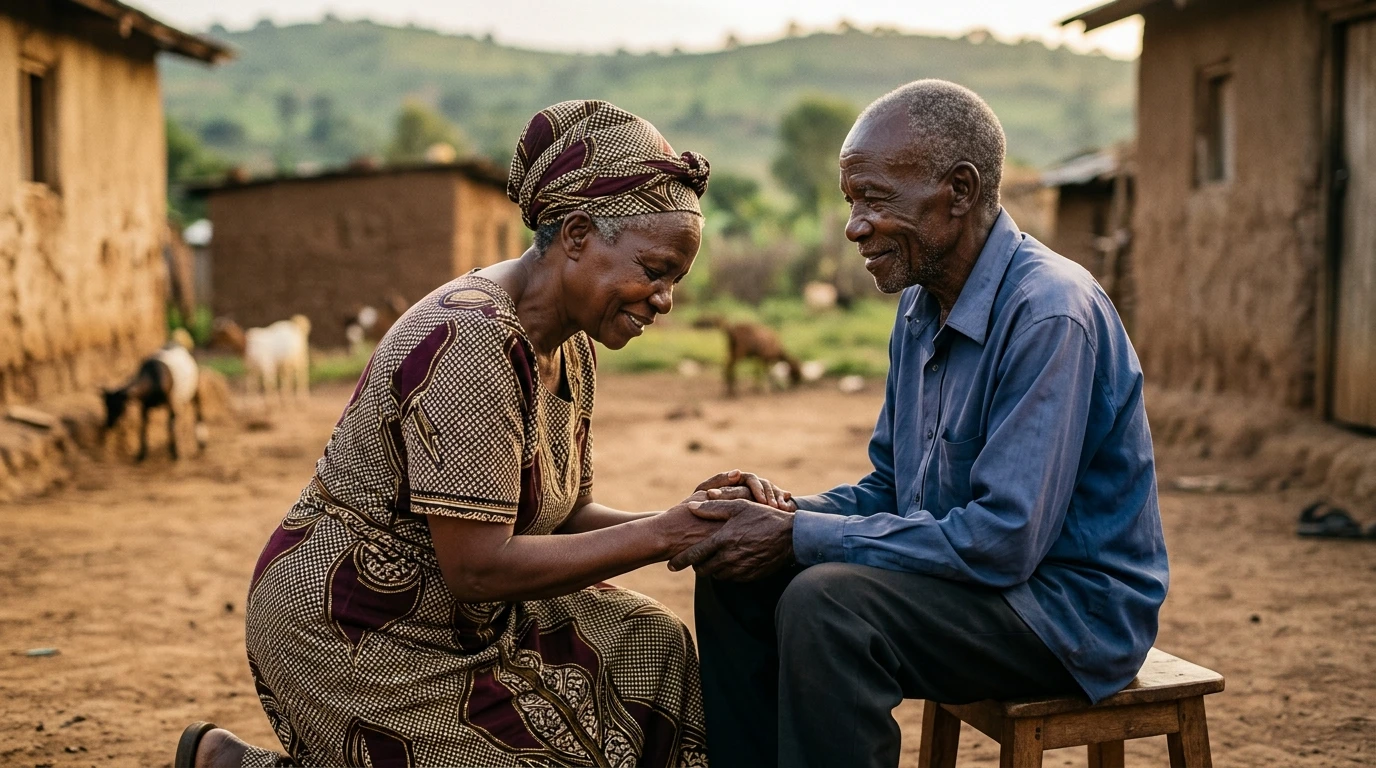
Let us talk about Amina. She grew up in a small village in rural Tanzania. Her family could barely afford school fees. But Amina loved biology more than she loved anything else. She would collect insects and try to classify them. She would stay after school to help the biology teacher set up experiments. When it was time to choose her A-Level combination, without hesitation, she chose PCB.
Her relatives laughed. "What will you do with those books?" they asked. "You should study business like your cousin." But Amina held on. She scored well in her A-Level examinations and was selected to study Nursing at a government university. She graduated, worked in a rural health center for a few years, then earned a scholarship to study for a Master's degree in Public Health.
Today, Amina coordinates a maternal health program that has reduced infant mortality in her district by 34%. She did not just build a career. She saved lives. And it all started with a girl who loved biology and was brave enough to choose PCB.
Amina's story is not unique. All over Africa and the world, there are thousands of students with PCB backgrounds who became doctors, pharmacists, researchers, veterinarians, environmental scientists, and teachers — people who are genuinely changing the world. You could be next.
Complete List of Jobs Available for PCB Combination Students
Now, let us get into the practical details. Below is a comprehensive table showing the faculties, specific jobs, years of study required, and the subject combination for students with the PCB background. Study this table carefully — it is one of the most important pieces of information you will find in this guide.
| NO. | FACULTY | JOB / CAREER | YEARS OF STUDY | SUBJECT COMBINATION |
|---|---|---|---|---|
| 1 | Faculty of Medicine | Medical Doctor (MD) | 5–6 Years | PCB |
| 2 | Faculty of Medicine | Surgeon | 5–6 Years (Degree) + 3–7 Years Specialization | PCB |
| 3 | Faculty of Pharmacy | Pharmacist | 4–5 Years | PCB |
| 4 | Faculty of Nursing | Registered Nurse | 3–4 Years | PCB |
| 5 | Faculty of Nursing | Nurse Midwife | 3–4 Years | PCB |
| 6 | Faculty of Dentistry | Dentist | 5 Years | PCB |
| 7 | Faculty of Veterinary Medicine | Veterinary Doctor | 5 Years | PCB |
| 8 | Faculty of Pharmacy / Applied Sciences | Clinical Pharmacologist | 5 Years + Postgraduate | PCB |
| 9 | Faculty of Health Sciences | Public Health Officer | 3–4 Years | PCB |
| 10 | Faculty of Health Sciences | Epidemiologist | 4 Years + Masters | PCB |
| 11 | Faculty of Laboratory Sciences | Medical Laboratory Scientist | 3–4 Years | PCB |
| 12 | Faculty of Laboratory Sciences | Microbiologist | 3–4 Years | PCB |
| 13 | Faculty of Science / Applied Sciences | Biochemist | 3–4 Years | PCB |
| 14 | Faculty of Environmental Science | Environmental Scientist | 3–4 Years | PCB |
| 15 | Faculty of Environmental Science | Environmental Health Officer | 3–4 Years | PCB |
| 16 | Faculty of Agriculture | Agricultural Scientist / Agronomist | 4 Years | PCB |
| 17 | Faculty of Agriculture | Animal Scientist | 4 Years | PCB |
| 18 | Faculty of Nutrition and Dietetics | Nutritionist / Dietician | 3–4 Years | PCB |
| 19 | Faculty of Radiography | Radiographer / Radiologist Technologist | 3–4 Years | PCB |
| 20 | Faculty of Physiotherapy | Physiotherapist | 4 Years | PCB |
| 21 | Faculty of Optometry | Optometrist | 4 Years | PCB |
| 22 | Faculty of Science / Biotechnology | Biotechnologist | 4 Years | PCB |
| 23 | Faculty of Science | Research Scientist / Scientist | 4 Years + Postgraduate | PCB |
| 24 | Faculty of Education (Science) | Science Teacher / Lecturer | 3–4 Years | PCB |
| 25 | Faculty of Biomedical Sciences | Biomedical Scientist | 4 Years | PCB |
| 26 | Faculty of Forensic Science | Forensic Scientist | 4 Years | PCB |
| 27 | Faculty of Clinical Medicine | Clinical Officer / Assistant Medical Officer | 3 Years | PCB |
| 28 | Faculty of Occupational Therapy | Occupational Therapist | 4 Years | PCB |
| 29 | Faculty of Marine Biology | Marine Biologist | 4 Years | PCB |
| 30 | Faculty of Food Science | Food Scientist / Food Technologist | 4 Years | PCB |
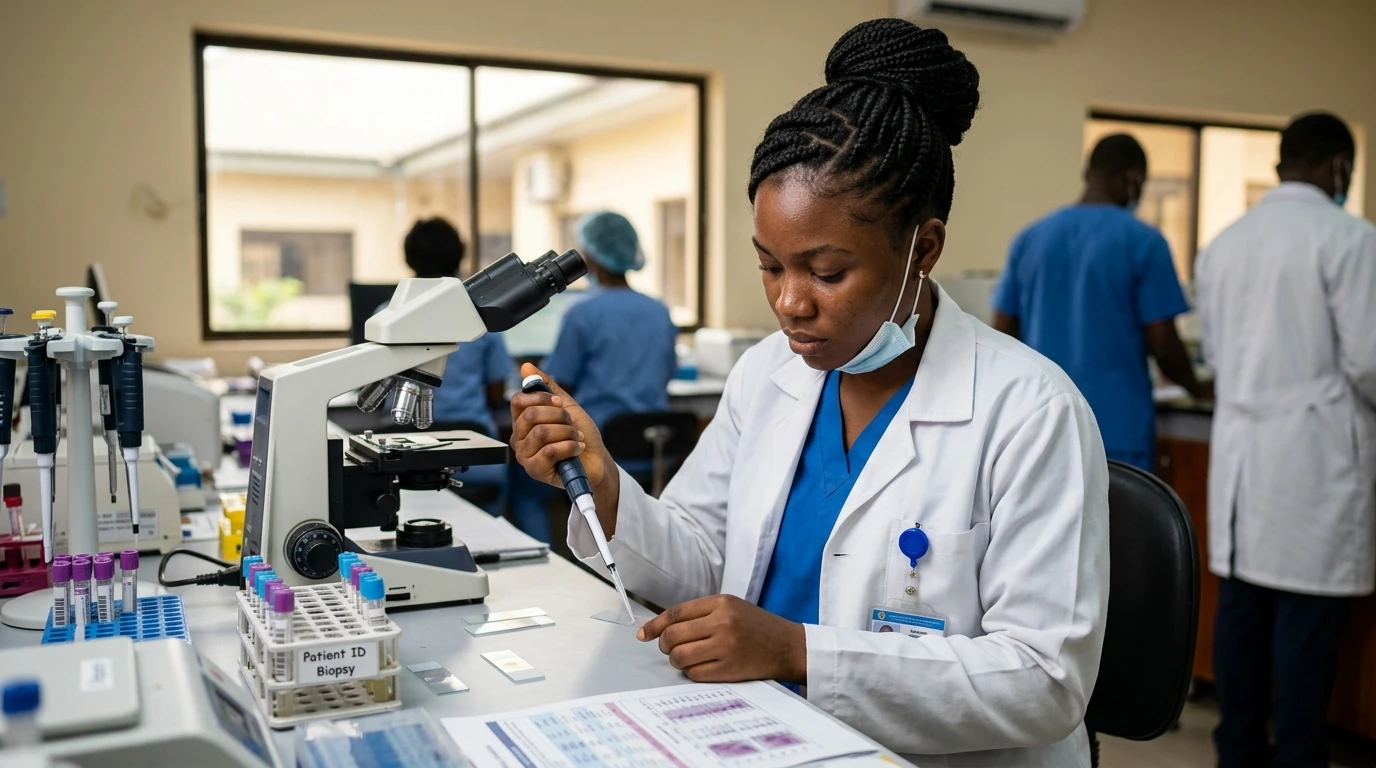
Healthcare Careers for PCB Students: Where Lives Are Saved Every Day
The most well-known career path for PCB students is, without question, healthcare. And it makes perfect sense. When you combine the knowledge of the human body (biology), how drugs work in the body (chemistry), and how medical equipment functions (physics), you have the foundation of modern medicine.
Let us look at the major healthcare careers in more detail:
1. Medicine — Becoming a Doctor
For many PCB students, becoming a Medical Doctor is the ultimate dream. And honestly? It is a worthy dream. Doctors are among the most respected and impactful professionals in any society. A medical degree (MBBS, MBChB, or MD depending on your country) typically takes five to six years of university study, followed by internship and residency.
According to the World Health Organization, there is currently a shortage of over 4.3 million doctors and nurses in Africa alone. This means if you become a doctor, you are not just getting a job — you are filling a critical gap that your country urgently needs.
The average salary of a medical doctor in many African countries varies widely, but in Kenya, Tanzania, and Uganda, government doctors earn between USD 800 and USD 4,000 per month, with specialists earning significantly more. In diaspora settings like the UK or USA, African-trained doctors who further their qualifications can earn USD 150,000 to USD 300,000 per year.
2. Pharmacy — The Chemistry-Driven Career
If chemistry was your strongest subject in PCB, pharmacy might just be your calling. Pharmacists are the experts who ensure that the right medicine reaches the right patient at the right dose. They work in hospitals, clinics, community pharmacies, the pharmaceutical industry, and regulatory bodies.
A pharmacy degree takes four to five years, and it is one of the highest-paying health science careers in Africa. In addition to dispensing medicines, pharmacists counsel patients, check drug interactions, and increasingly, they are entering pharmaceutical research and drug manufacturing.
3. Nursing — The Heartbeat of Healthcare
Let us be honest about something: nursing is one of the most underappreciated but most essential careers in the world. Nurses are the ones who sit with patients through the night. They are the ones who notice small changes in a patient's condition that can mean the difference between life and death. Nurses are not just helpers to doctors — they are the backbone of every healthcare system on earth.
A degree in nursing takes three to four years. After graduation, nurses can specialize in areas like pediatric nursing, surgical nursing, oncology nursing, critical care, and midwifery. The International Council of Nurses reports that the world needs millions more nurses in the coming decades, making this one of the most secure careers for PCB graduates.
[LINK: Careers in Nursing in Africa]4. Dentistry — The Overlooked Gem
Many students forget about dentistry, but it is one of the most financially rewarding health careers available to PCB students. Dentists diagnose and treat problems with teeth, gums, and the oral cavity. A dentistry degree takes about five years, and in private practice, dentists can earn extremely competitive salaries, especially in urban areas.
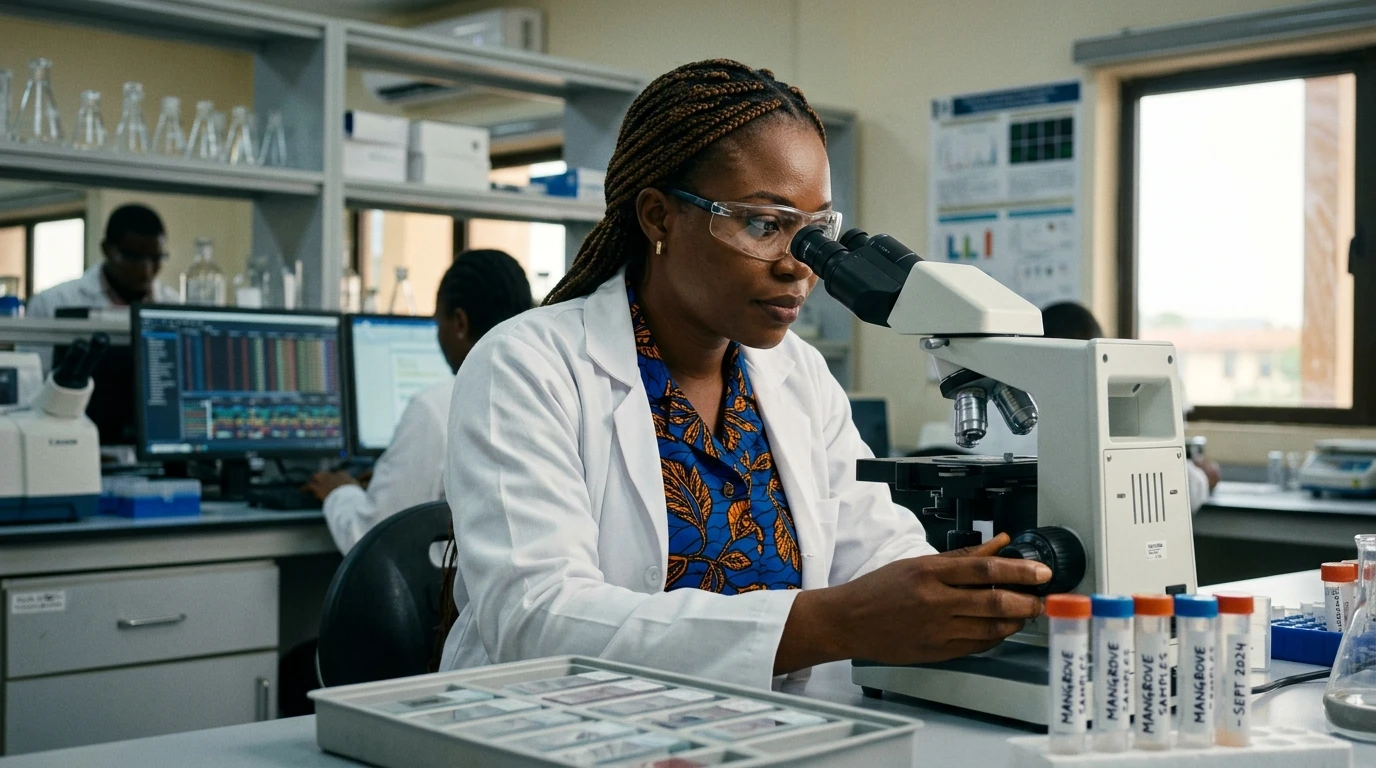
Science and Research Careers: For the Curious Minds Who Want to Discover New Things
Not every PCB student wants to work directly with patients. Some of you are natural researchers — you love asking "why?" and "how?" and you are happiest when you are investigating, experimenting, and discovering. If that sounds like you, the world of science and research is wide open for you.
Biochemistry
Biochemists study the chemical processes within living organisms. They work in research laboratories, hospitals, universities, food companies, and pharmaceutical companies. As biotechnology advances at an incredible rate, biochemists are more needed than ever. A degree in biochemistry takes about three to four years.
Microbiology
Microbiologists study bacteria, viruses, fungi, and other microscopic organisms. They play a critical role in disease control, food safety, water treatment, and the development of antibiotics and vaccines. The COVID-19 pandemic demonstrated to the entire world just how important microbiologists are. A microbiology degree takes three to four years.
Biotechnology
Biotechnology is one of the fastest-growing fields in science worldwide. Biotechnologists use biological systems and living organisms to develop new products, technologies, and solutions — from genetically improved crops that can survive drought to new cancer treatments. For Africa, agricultural biotechnology is particularly exciting, with the potential to transform food security on the continent.
Forensic Science
Ever watched crime investigation shows and found yourself fascinated? Forensic science is the application of science to criminal and legal investigations. Forensic scientists analyze evidence from crime scenes — blood samples, DNA, fingerprints, toxicology — and their findings can convict criminals or free innocent people. A degree in forensic science takes about four years.
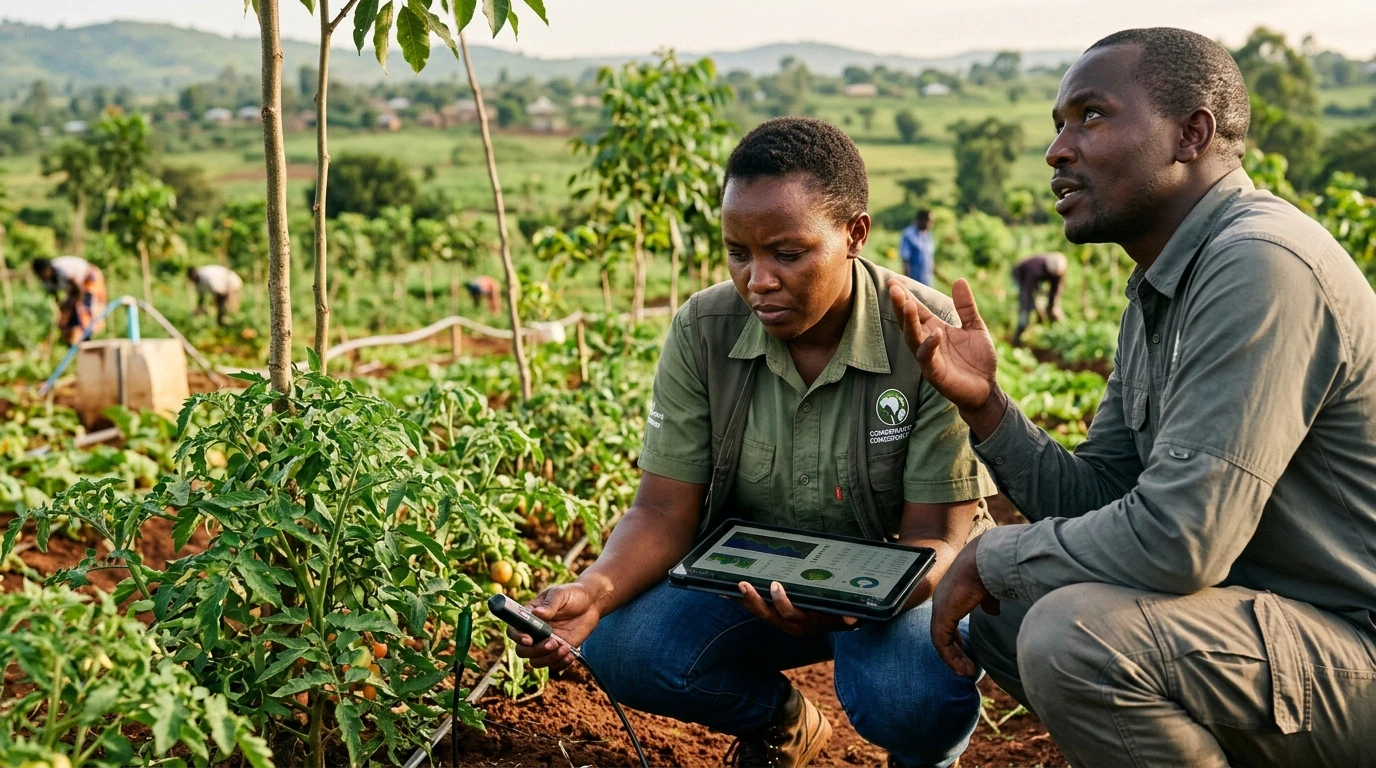
Environmental and Agricultural Careers: Protecting the Planet and Feeding the World
Here is a career area that many PCB students completely overlook — and they really should not. Environmental science and agriculture are two of the most critical fields facing Africa and the world today.
According to the United Nations Environment Programme (UNEP), Africa is one of the most vulnerable continents to climate change. At the same time, according to the Food and Agriculture Organization (FAO), agriculture employs more than 60% of Africa's workforce and accounts for about 23% of sub-Saharan Africa's GDP. These two facts together mean one thing: people with science training who can bridge the gap between environmental protection and agricultural productivity are gold.
Environmental Science and Environmental Health
Environmental scientists study the interactions between human activities and the natural environment. They assess pollution, conduct environmental impact assessments, advise governments on policies, and develop solutions to environmental problems like deforestation, water contamination, and climate change.
Environmental health officers, on the other hand, focus on the health impacts of environmental factors — contaminated water, air pollution, food hygiene. They work for government health departments, municipalities, and international organizations like the WHO and UNICEF.
Agriculture and Agronomy
With a PCB background, you can study agricultural science or agronomy — the science of soil and crop production. Agronomists help farmers grow more food using less land and water. In Africa, where food insecurity affects hundreds of millions of people, agronomists are critically needed.
Animal scientists, another option from the PCB path, focus on livestock — improving breeds, managing animal nutrition, controlling animal diseases, and improving the productivity of cattle, goats, chickens, and fish farming.
[LINK: Careers in Agriculture for Science Students]
How PCB Graduates Distribute Across Career Fields
Based on general enrollment data from universities in East Africa, here is an approximate breakdown of how students from science backgrounds (including PCB) distribute themselves across career fields:
| Career Field | Approximate Percentage of PCB Graduates |
|---|---|
| Healthcare (Medicine, Nursing, Pharmacy, Dentistry, Clinical Medicine) | 45% |
| Science & Research (Biochemistry, Microbiology, Biotechnology, Forensic Science) | 20% |
| Education (Science Teachers, Lecturers) | 15% |
| Agriculture & Environmental Science | 12% |
| Other Applied Sciences (Nutrition, Radiography, Physiotherapy, etc.) | 8% |
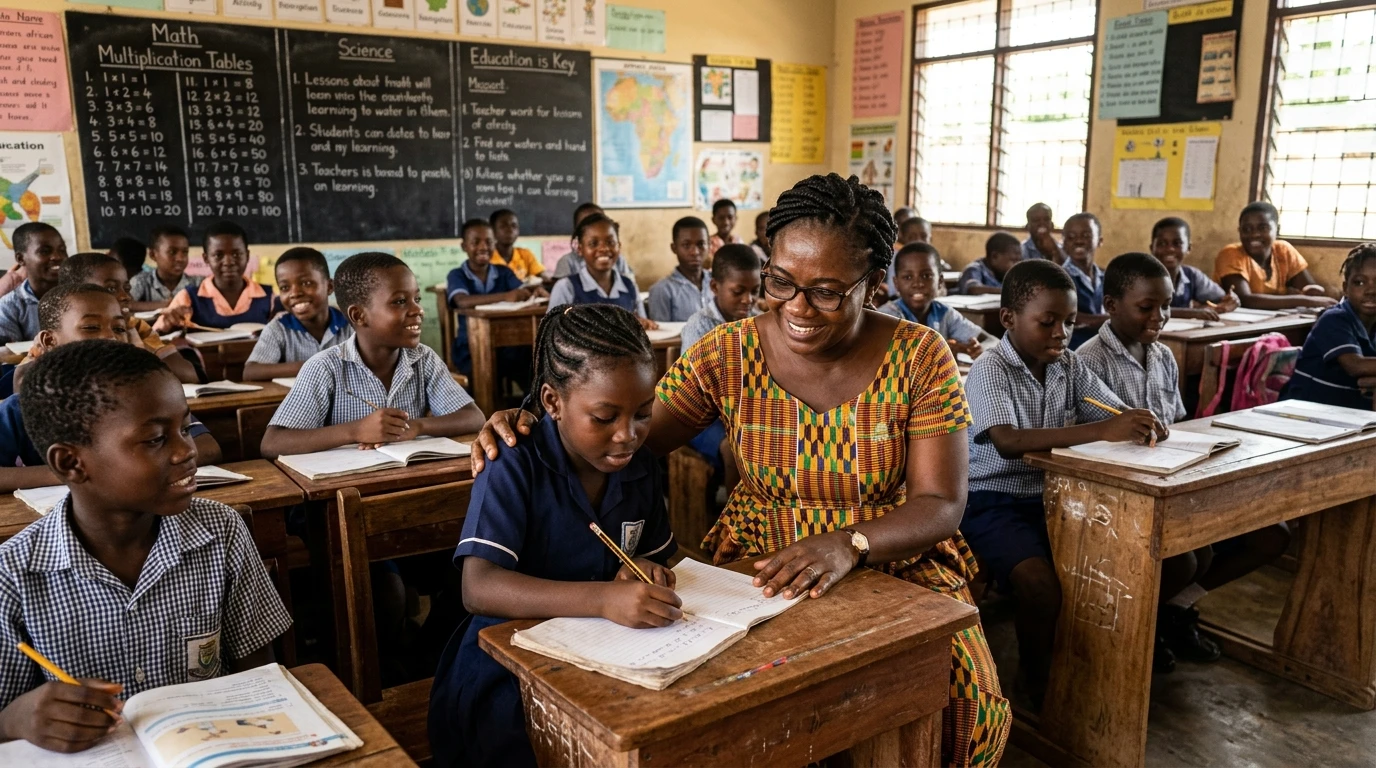
Teaching and Education: The Most Multiplied Career in Existence
Let us talk about a career that many students dismiss too quickly: teaching. We know what some of you are thinking. "Teaching? But I want to make real money! I want a big career!" And to that, we say: pause and think about this.
Every doctor was taught by a teacher. Every pharmacist had a teacher. Every engineer, every scientist, every nurse — all of them had a teacher who first sparked that flame of curiosity. Teachers are not just professionals; they are multipliers. One great science teacher can inspire thousands of students over a career. The impact of a good teacher ripples outward forever.
With a PCB background, you can pursue a Bachelor of Education in Science (B.Ed Science) and become a certified secondary school teacher or, with further study, a university lecturer. Science teachers are among the most in-demand teachers in African secondary schools. According to data from the UNESCO Institute for Statistics, many African countries face severe shortages of qualified science teachers — meaning job security is essentially guaranteed.
The Financial Reality of Teaching
Let us be transparent about salary, because you deserve honesty. In many African countries, government schoolteachers earn modest salaries — ranging from approximately USD 200 to USD 800 per month depending on the country, grade level, and experience. However, this picture is incomplete if we stop there. Many science teachers supplement their income through private tutoring, which in urban areas can easily double or triple a base salary. Others move into educational administration, curriculum development, or work with international NGOs in education programs — roles that pay considerably more.
Furthermore, teachers in international schools, particularly in cities like Nairobi, Dar es Salaam, Kampala, and Accra, can earn salaries that are genuinely competitive with other professions. If you are passionate about science and you love working with young people, do not let salary concerns alone steer you away from one of the most meaningful careers on earth.
Allied Health Sciences: The Unsung Heroes of Every Hospital
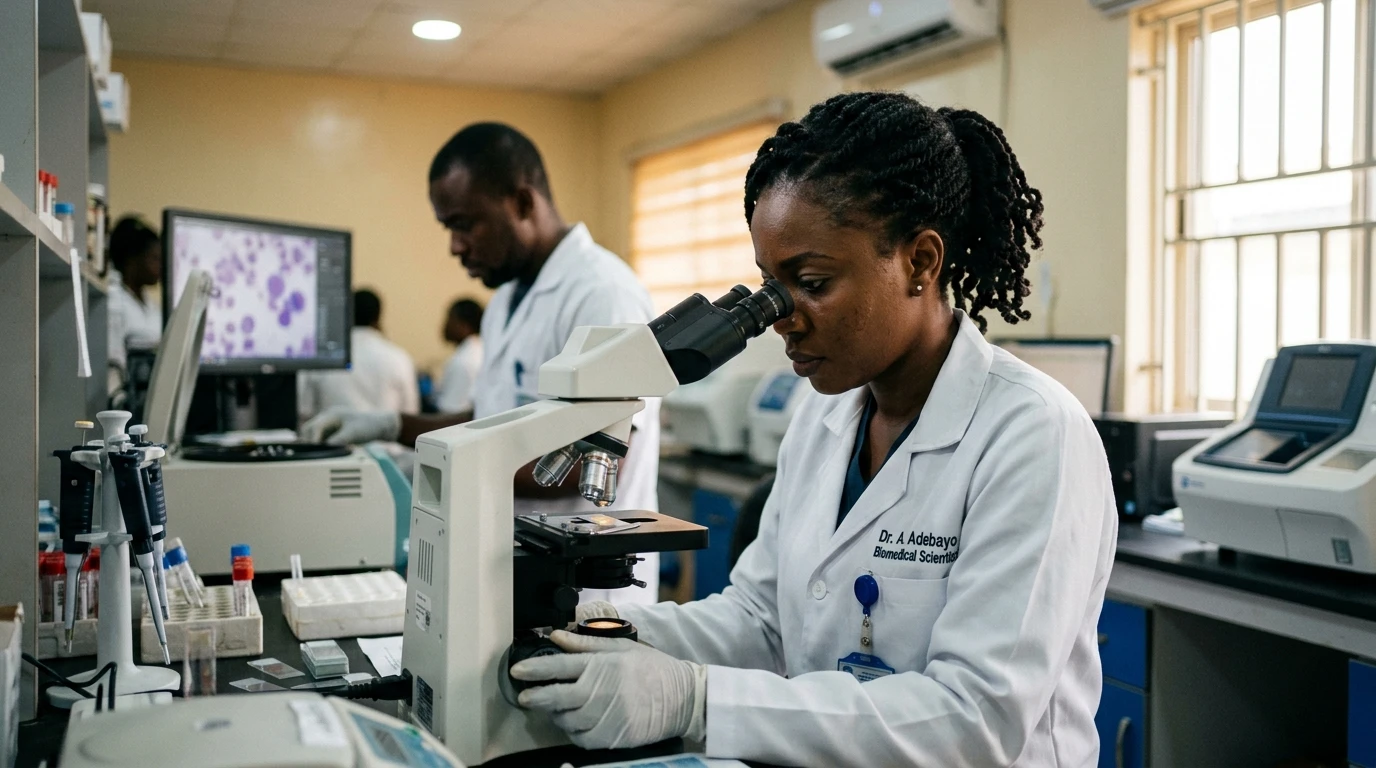
When most people think of healthcare jobs, they picture doctors and nurses. But behind every functioning hospital and clinic, there is an entire ecosystem of allied health professionals — specialists whose work is absolutely essential, yet often invisible to the public eye. For PCB students who want a rewarding health career but perhaps are not drawn to medicine or nursing specifically, allied health sciences offer some of the most interesting and financially stable career paths available.
Physiotherapy
Physiotherapists help patients recover physical function after injuries, surgeries, strokes, or chronic conditions like arthritis. They design rehabilitation programs, use therapeutic techniques, and work closely with doctors to restore patients' mobility and quality of life. A physiotherapy degree takes four years, and demand for physiotherapists is growing rapidly as Africa's urban populations age and lifestyle diseases become more prevalent. According to the World Physiotherapy Association, there is a significant global shortage of physiotherapists, with low-income countries in Africa and Asia most severely affected.
Radiography
Radiographers operate imaging equipment — X-ray machines, CT scanners, MRI machines, and ultrasound devices — to help diagnose medical conditions. This is precisely where physics in your PCB combination becomes directly applicable. Understanding radiation, wave physics, and electromagnetic imaging is central to this profession. Radiographers are employed in virtually every hospital and diagnostic center, and the profession offers excellent employment stability. A radiography degree typically takes three to four years.
Nutrition and Dietetics
Nutritionists and dieticians are healthcare professionals who advise individuals and communities on healthy eating, manage diet-related diseases like diabetes and hypertension, and develop nutrition programs for hospitals, schools, and public health agencies. In Africa, where malnutrition — both undernutrition and obesity — is a growing public health crisis, nutritionists are increasingly needed. The African Union's Agenda 2063 explicitly highlights nutrition improvement as a key development priority, making this a career with strong institutional backing and funding.
Optometry
Optometrists examine eyes for vision problems and diseases, prescribe corrective lenses, and detect early signs of systemic conditions like diabetes and hypertension through eye examinations. According to the International Agency for the Prevention of Blindness, approximately 90% of vision impairment cases worldwide are preventable or treatable — yet in many parts of Africa, access to optometry services is severely limited. This means optometry graduates face a market with enormous unmet demand and genuine social impact potential.
Occupational Therapy
Occupational therapists help people who are recovering from illness, injury, or disability to regain the ability to perform everyday tasks — cooking, dressing, working, and participating in their communities. As awareness of mental health, disability rights, and rehabilitation medicine grows across Africa, occupational therapy is emerging as one of the most important health professions of the next generation.
Emerging and High-Growth Careers for PCB Graduates in the 21st Century
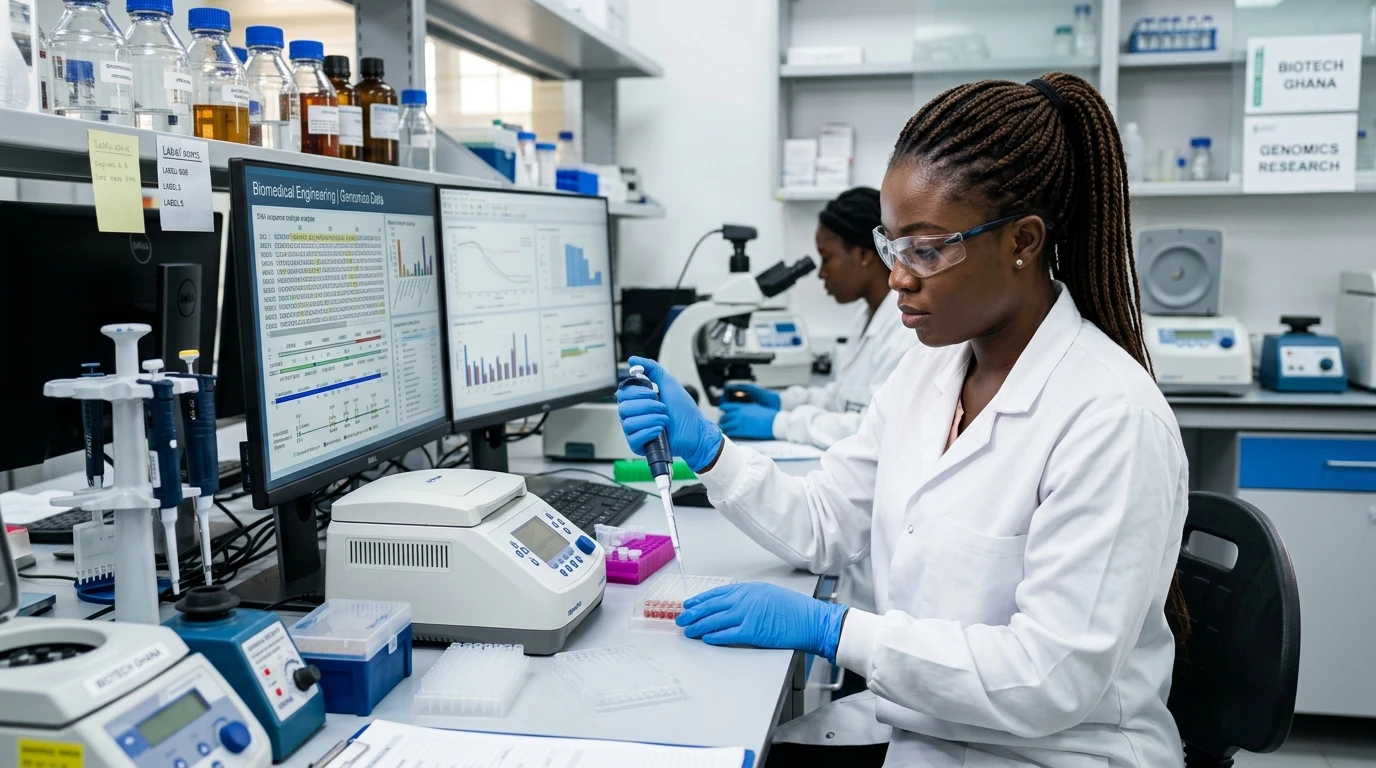
Here is something crucial that many career guides for African students fail to address: the world is changing faster than ever before, and some of the most exciting careers for PCB graduates did not even exist ten years ago. If you are currently a student or a young graduate, you will spend most of your working life in a world that looks very different from today. It is therefore worth understanding which emerging fields are creating new opportunities specifically suited to your science background.
Bioinformatics
Bioinformatics is the intersection of biology, computer science, and data analysis. Bioinformaticians analyze large biological datasets — such as genomic sequences — to understand diseases, develop drugs, and improve medical treatments. The rapid expansion of genomic medicine and personalized healthcare has made this one of the hottest fields in science globally. African universities, including the University of Cape Town and Makerere University, are increasingly offering bioinformatics programs, often in partnership with international institutions.
Public Health and Epidemiology
The COVID-19 pandemic demonstrated with devastating clarity how important public health professionals are. Epidemiologists track the spread of diseases, identify risk factors, design interventions, and advise governments on health policy. Public health as a field has received unprecedented attention and funding globally since 2020. For PCB graduates interested in the big picture of how disease affects populations — rather than treating individual patients — a degree in public health or epidemiology, typically requiring four years for an undergraduate degree or two additional years for a Masters following another health degree, is an outstanding option.
Pharmaceutical Industry and Drug Development
Africa currently manufactures less than 3% of the medicines it consumes, according to the African Export-Import Bank (Afreximbank). This is a staggering dependency that African governments and international partners are working urgently to reverse. The African Medicines Agency, established in 2021, is one of several initiatives aimed at building a continental pharmaceutical industry. For PCB graduates with chemistry and biology expertise, careers in pharmaceutical manufacturing, quality assurance, regulatory affairs, and drug research are becoming increasingly available — and increasingly well-paid — as this industry grows.
One Health — Connecting Human, Animal, and Environmental Health
One of the most forward-thinking concepts in global health is "One Health" — the recognition that human health, animal health, and ecosystem health are deeply interconnected. Diseases like Ebola, COVID-19, and avian influenza all originated at the interface between humans and animals. One Health professionals work across veterinary science, human medicine, environmental science, and public health simultaneously. For PCB graduates, whose training already bridges all three scientific domains — biology, chemistry, and physics applied across living systems — this integrated field is a natural fit.
How to Maximize the Value of Your PCB Combination: Practical Steps Every Student Should Take
Knowing that PCB opens many doors is one thing. Knowing how to walk through those doors confidently is another. Here are practical, actionable steps that every PCB student and graduate should take to maximize the value of their combination and position themselves for the best possible career outcomes.
1. Identify Your Strengths Early
Take honest stock of which subjects in your PCB combination excite you the most. Are you someone who loves memorizing biological systems and understanding how the human body works? Medicine, nursing, or biochemistry might be your direction. Do you find yourself most engaged when doing chemical calculations and understanding molecular reactions? Pharmacy or chemistry-based research might suit you best. Do you love the mathematical precision of physics experiments? Radiography, biomedical engineering-adjacent roles, or biophysics could be your niche. Self-awareness is the first career tool you will ever use.
2. Perform Well in All Three Subjects — Even Your Weakest
Here is the reality: most universities require a minimum grade in all three PCB subjects for admission to competitive health science programs. A brilliant biology score will not compensate for a failing physics grade when applying to medicine or pharmacy. Invest equal effort across all three disciplines, and seek extra help early rather than waiting until examinations are near.
3. Research University Entry Requirements in Your Country
Entry requirements vary significantly between countries and universities. In Tanzania, for example, the minimum points for direct entry into Medicine at public universities such as Muhimbili University of Health and Allied Sciences (MUHAS) are considerably higher than for nursing or clinical medicine programs. In Kenya, the Kenya Universities and Colleges Central Placement Service (KUCCPS) uses a points-based system where your cluster subject performance determines which programs you qualify for. In Uganda, Makerere University publishes cut-off points annually that shift depending on competition and available spaces.
The practical advice here is simple: do not assume. Visit the official websites of the universities you are targeting, download their admission guides, and understand exactly what grades and points you need. This research should happen before your examinations, not after — because knowing the target helps you aim for it.
4. Build a Complementary Skill Set Outside the Classroom
In today's competitive job market, a degree alone is rarely enough to distinguish you from hundreds of other graduates with the same qualification. PCB graduates who invest in complementary skills during and after university consistently outperform their peers in employment outcomes. Consider developing skills in the following areas:
- Research and data analysis — Basic proficiency in tools like Microsoft Excel, SPSS, or even free platforms like R can make you significantly more employable in research, public health, and laboratory roles.
- Science communication — The ability to explain complex scientific concepts clearly — in writing, in presentations, or online — is a skill that very few scientists possess and many employers desperately need.
- Computer literacy and digital health — As African healthcare systems increasingly adopt electronic medical records, telemedicine, and digital diagnostics, health professionals with digital skills are given priority in hiring.
- Languages — English remains the dominant language of international science and medicine, but French, Portuguese, and Swahili open additional doors across the African continent. If you can communicate in more than one language, you multiply your career geography.
5. Seek Internships, Attachments, and Volunteer Opportunities Early
Experience is the currency that transforms academic knowledge into professional credibility. Many universities in Africa include mandatory internship or practical attachment components in their science and health programs. But do not wait for your university to arrange this for you. Proactively reach out to hospitals, research institutions, pharmacies, environmental agencies, and agricultural organizations to ask about shadowing or volunteer opportunities.
According to a 2022 survey by the African Youth Survey, conducted across 15 African countries, over 52% of young graduates reported that lack of practical experience was their biggest barrier to employment after graduation. Starting early — even during your A-Level years — places you ahead of this curve.
6. Consider Postgraduate Study as a Long-Term Investment
While an undergraduate degree is your entry point, postgraduate qualifications — a Masters degree or a PhD — can dramatically expand your career options, increase your earning potential, and position you as an expert rather than simply a practitioner. Specialization is where the greatest professional rewards often lie. A general nurse earns a certain salary; a nurse anesthetist or a pediatric nurse specialist earns considerably more and commands deeper professional respect. A general doctor earns one level of income; a cardiologist or a neurosurgeon earns many times that.
Postgraduate study also opens doors to international scholarships and fellowships. Organizations such as the Wellcome Trust, the African Union Commission, the Mastercard Foundation, and the Carnegie Corporation of New York offer fully funded postgraduate scholarships specifically for African science students. With the right undergraduate foundation and a strong academic record, these opportunities are genuinely within reach.
Salary Expectations for PCB Career Paths in Africa: Honest Numbers You Should Know
Let us talk about money — honestly and without exaggeration. One of the most common questions PCB students ask is, "How much will I earn?" The answer depends significantly on your country, your specialization, whether you work in the public or private sector, and your level of experience. The table below provides approximate salary ranges for major PCB career paths in East and Southern Africa as of 2024, expressed in US dollars for ease of comparison.
| Career | Entry-Level Monthly Salary (USD) | Experienced / Specialist Monthly Salary (USD) | Sector |
|---|---|---|---|
| Medical Doctor (General) | $800 – $1,500 | $2,500 – $6,000+ | Public & Private |
| Pharmacist | $600 – $1,200 | $2,000 – $4,500 | Public & Private |
| Registered Nurse | $300 – $700 | $800 – $2,500 | Public & Private |
| Dentist | $700 – $1,500 | $2,500 – $6,000+ | Mainly Private |
| Veterinary Doctor | $500 – $1,000 | $1,500 – $4,000 | Public & Private |
| Medical Laboratory Scientist | $400 – $800 | $1,000 – $2,500 | Public & Private |
| Biochemist / Microbiologist | $350 – $700 | $1,000 – $3,000 | Research & Industry |
| Physiotherapist | $400 – $800 | $1,200 – $3,000 | Public & Private |
| Nutritionist / Dietician | $350 – $700 | $1,000 – $2,500 | Public, NGO & Private |
| Environmental Scientist | $400 – $800 | $1,200 – $3,500 | Government & NGO |
| Public Health Officer | $400 – $900 | $1,500 – $4,000 | Government & NGO |
| Science Teacher (Secondary) | $200 – $600 | $700 – $2,000 | Public & Private |
| University Lecturer (Science) | $800 – $1,500 | $2,000 – $5,000 | Public & Private |
| Biotechnologist | $500 – $1,000 | $1,500 – $4,000 | Research & Industry |
| Clinical Officer / Assistant Medical Officer | $400 – $800 | $1,000 – $2,500 | Public & Private |
Frequently Asked Questions (FAQs) About PCB Combination Careers
Below are the questions that PCB students most commonly ask, answered directly and honestly.
Can PCB students study engineering at university?
Most traditional engineering programs — civil, mechanical, and electrical — require the PCM combination (Physics, Chemistry, and Mathematics) rather than PCB. However, there are some engineering-adjacent and applied science programs that PCB students can access, particularly in the areas of biomedical engineering, environmental engineering, and agricultural engineering, where biology is a significant component of the curriculum. If engineering is your passion and you hold a PCB combination, it is worth checking the specific entry requirements of your target university, as some institutions accept PCB for biomedical engineering with a strong mathematics background from Ordinary Level.
Is PCB only for students who want to become doctors?
Absolutely not — and this is one of the most important misconceptions we want to address in this entire guide. As demonstrated throughout this article, PCB opens pathways into at least 30 distinct career fields, the majority of which have nothing to do with becoming a medical doctor. From environmental science to biotechnology, from forensic science to nutrition, from university lecturing to pharmaceutical manufacturing — PCB is genuinely one of the most versatile subject combinations available at A-Level. Do not let the "PCB equals doctor" narrative limit your thinking.
What if my A-Level grades are not strong enough for medicine or pharmacy?
First, do not despair. Lower grades do not close every door — they simply redirect you. Many respected and rewarding health careers, including nursing, clinical medicine, medical laboratory science, and public health, have lower minimum entry requirements than medicine or pharmacy. Additionally, diploma programs at technical and vocational institutions often serve as entry points into health careers, with pathways to upgrade qualifications later. Many professionals who entered through diploma routes have gone on to earn degrees, Masters qualifications, and even PhDs through part-time study and distance learning. Your starting point does not determine your ceiling.
Can a PCB graduate work for international organizations like WHO, UNICEF, or the United Nations?
Yes — and this is one of the most exciting long-term possibilities for ambitious PCB graduates. Organizations like the World Health Organization (WHO), UNICEF, the United Nations Environment Programme (UNEP), the Food and Agriculture Organization (FAO), and Médecins Sans Frontières (MSF) all regularly hire professionals with health science, environmental science, public health, and biological research backgrounds. Entry-level positions typically require at least an undergraduate degree and some field experience, while senior technical and policy roles generally require a Masters degree or higher. Building your career locally first — gaining solid practical experience and a strong academic record — is the most reliable pathway to international organization employment.
Is there a future for PCB careers in Africa specifically, or do I need to go abroad to succeed?
Africa is arguably the most exciting continent in the world right now for science and health careers. The continent has the youngest population on earth, a rapidly growing middle class, expanding healthcare infrastructure, and urgent needs across every field that PCB graduates can serve. According to the African Development Bank, Africa will need to create 25 million new jobs annually through 2030 to absorb its growing working-age population — and a significant proportion of those jobs will be in health, agriculture, and environmental services. You do not need to leave Africa to build a remarkable career. That said, international experience — whether through study, fellowships, or work — can significantly enhance your expertise and earning potential, and many African professionals pursue a combination of both local and international career stages.
How long does it take to start earning after completing a PCB-based degree?
Most PCB career paths lead to employment relatively quickly after graduation, particularly in health sciences where demand consistently exceeds supply. In countries like Tanzania, Kenya, Uganda, and Zimbabwe, government internship programs for medical doctors, pharmacists, and nurses typically begin within months of graduation. Clinical officers, nurses, and laboratory scientists frequently find employment within their first year after qualifying. Research and academic roles may take longer to secure at senior levels, but entry-level research assistant and teaching assistant positions are often available immediately after undergraduate completion.
Can PCB graduates become entrepreneurs?
Absolutely — and this is an area of enormous untapped potential. PCB graduates with entrepreneurial ambitions can establish private pharmacies, diagnostic laboratories, veterinary clinics, nutritional consultancy firms, environmental impact assessment companies, organic farming enterprises, and private schools, among many other ventures. Africa's health and agricultural sectors are characterized by significant gaps in private sector service delivery, meaning that well-qualified science graduates who choose the entrepreneurial path are entering markets with real, unmet demand. Several African countries also have government-backed programs and development finance institutions — such as the Development Bank of Tanzania and Kenya's Youth Enterprise Development Fund — that provide financing specifically for young entrepreneurs in health and agriculture.
Where in Africa Are PCB Career Opportunities Most Abundant?
While PCB graduates are needed across the entire African continent, some countries and regions currently present particularly strong employment markets due to healthcare expansion, agricultural development initiatives, and environmental programs. Understanding this geography can help you think strategically about where to study and where to build your early career.
East Africa
Tanzania, Kenya, Uganda, Rwanda, and Ethiopia are all undergoing significant healthcare infrastructure expansion. Kenya's Universal Health Coverage initiative, Tanzania's ongoing hospital construction program under its development plans, and Rwanda's internationally recognized community health worker system are all creating consistent demand for health science graduates. The East African Community (EAC) also increasingly facilitates the cross-border recognition of professional qualifications, meaning a degree earned in one member state can often be used to work in another.
Southern Africa
South Africa remains the continent's most developed healthcare and research economy, with world-class research institutions including the South African Medical Research Council and globally ranked universities such as the University of Cape Town and Wits University. South Africa actively recruits health professionals from neighboring countries and offers strong postgraduate research opportunities. Zimbabwe, Zambia, and Malawi face acute health worker shortages and actively seek PCB-qualified graduates, particularly nurses, clinical officers, and laboratory scientists.
West Africa
Nigeria and Ghana are home to some of the continent's largest and most rapidly growing healthcare markets. Nigeria, with a population exceeding 220 million people, has chronic shortages of health professionals at all levels. Ghana's healthcare system is widely regarded as one of West Africa's more stable and progressive, with growing investment in pharmaceutical manufacturing and public health infrastructure. Both countries offer significant opportunities for PCB graduates, particularly those willing to work in rural and underserved areas.
Final Words: Your PCB Combination Is a Gift — Use It Wisely
We want to close this guide the way we opened it — with honesty, warmth, and genuine encouragement. You chose PCB because something inside you responds to science. Maybe you have not fully understood yet just how powerful that instinct is. But consider this: the three subjects you studied — physics, chemistry, and biology — are not just school subjects. They are the languages in which the universe explains itself to human beings.
Physics tells you how energy moves through the world. Chemistry tells you how matter transforms. Biology tells you how life sustains and reproduces itself. A person who speaks all three of these languages fluently is someone who can look at a disease and understand it at the molecular level, at the physiological level, and at the environmental level simultaneously. That is not a small thing. That is extraordinary.
The world you are graduating into — or the one you are preparing to enter — needs you badly. It needs doctors who understand rural African health realities. It needs environmental scientists who can fight for ecosystems under pressure from climate change. It needs pharmacists who can help build Africa's own pharmaceutical industry. It needs researchers who ask African questions and find African solutions. It needs teachers who will light the same scientific flame in the next generation that was lit in you.
"The good physician treats the disease; the great physician treats the patient who has the disease. But the truly transformative scientist treats the society that produces the disease."
— Adapted from Sir William Osler, Pioneer of Modern Medicine
Whatever path you choose from the wide menu that your PCB combination has placed before you, choose it with intention. Choose it with research. Choose it with honesty about your strengths and your passions. And then — pursue it with everything you have.
The world does not need more people who accidentally fell into careers. It needs more people like you — equipped with scientific knowledge, driven by purpose, and determined to make a difference. Your PCB combination was not just a subject choice. It was the first step of a journey that can genuinely change the world.
- The PCB combination (Physics, Chemistry, Biology) opens access to at least 30 distinct career pathways in health, science, agriculture, education, and research.
- Africa faces critical shortages of health workers, environmental scientists, and agricultural specialists — meaning PCB graduates enter a market with genuine, urgent demand.
- Healthcare careers (medicine, pharmacy, nursing, dentistry) are the most popular choice, but 55% of PCB graduates pursue non-medical careers with equal success.
- Emerging fields — including bioinformatics, One Health, and pharmaceutical manufacturing — represent high-growth opportunities uniquely suited to PCB graduates.
- Postgraduate qualifications, practical experience, and complementary digital and communication skills significantly increase employability and earning potential.
- African PCB graduates can build exceptional careers both on the continent and internationally, with Africa's expanding health and science sectors offering growing opportunities that did not exist a decade ago.
Your starting grades do not define your ceiling — multiple entry pathways exist for PCB graduates at every academic level, from diploma programs to postgraduate scholarships.
Scholarships and Funding Opportunities for PCB Students in Africa
One of the most practical concerns for many PCB students — particularly those from lower-income families — is the cost of university education. We want to address this directly, because financial constraints should never be the reason a talented science student abandons their career dreams. The good news is that the global scientific and development community has invested enormous resources in funding African science students, and many of these opportunities go unclaimed simply because students do not know they exist.
Government Bursaries and Student Loans
Most African governments operate some form of student loan or bursary scheme for university students, with priority often given to students in science, health, and technology programs. In Tanzania, the Higher Education Students' Loans Board (HESLB) provides loans to eligible students at accredited universities, covering tuition and living expenses. Kenya's Higher Education Loans Board (HELB) operates a similar scheme. In Uganda, the Government Sponsorship Program offers fully funded places at public universities for top-performing students in science combinations. Researching these national schemes thoroughly — and applying early — is one of the most important steps any PCB student can take.
International Scholarship Programs
Beyond national programs, several international scholarship opportunities are specifically designed for African science students. The Mastercard Foundation Scholars Program, operating across multiple African universities, funds academically talented yet financially constrained students through undergraduate and postgraduate study. The African Union Scholarships support postgraduate research in priority fields including health sciences and environmental management. The Wellcome Trust and the NIH Fogarty International Center both offer research training awards that enable African scientists to pursue advanced studies in collaboration with international institutions.
For students interested in studying abroad, the Commonwealth Scholarship Commission offers postgraduate scholarships for students from Commonwealth nations — which includes most English-speaking African countries — to study in the United Kingdom. The German Academic Exchange Service (DAAD) similarly provides scholarships for African students to pursue Masters and PhD programs at German universities, with strong options in medicine, biology, environmental science, and agriculture.
University-Specific Scholarships
Many universities — both within Africa and internationally — offer their own merit-based or need-based scholarships for incoming science students. The University of Cape Town, for example, has dedicated scholarship programs for students from other African countries. Aga Khan University, with campuses in Kenya, Tanzania, and Uganda, offers financial assistance to students in its health science programs. When applying to universities, always ask directly about available scholarship and financial assistance options — these are frequently not advertised prominently, and asking demonstrates the kind of proactive initiative that universities value in applicants.
Professional Associations Every PCB Graduate Should Know About
One often-overlooked aspect of career development for science graduates is the importance of professional association membership. Joining a professional body relevant to your career field is not merely a formality — it is a strategic investment in your professional credibility, your access to continuing education, and your network of peers and mentors. In many African countries, membership in a relevant professional association is actually a legal requirement for practicing in certain health and science fields.
Here are some of the most important professional associations for PCB graduates to be aware of:
- Medical Association of your country (e.g., Tanzania Medical Association, Kenya Medical Association, Uganda Medical Association) — for medical doctors
- National Pharmacy Board / Pharmaceutical Society — for pharmacists, with regulatory oversight functions in most countries
- National Nurses and Midwives Council — the mandatory registration body for nurses in most African countries
- African Society for Laboratory Medicine (ASLM) — for laboratory scientists and microbiologists across the continent
- African Association of Public Health (AAPH) — for public health professionals
- International Union of Biological Sciences (IUBS) — for research biologists and biochemists
- Society of Environmental Toxicology and Chemistry (SETAC) Africa — for environmental scientists
- African Crop Science Society — for agricultural scientists and agronomists
Beyond formal association membership, building informal professional networks through conferences, workshops, online communities, and mentorship relationships is equally valuable. Platforms like ResearchGate, LinkedIn, and African Journals Online (AJOL) allow science professionals to connect with peers across the continent and globally, share research, and stay current with developments in their fields.
A Special Message to Parents and Guardians of PCB Students
If you are a parent or guardian reading this alongside your son or daughter, we want to speak directly to you for a moment — because your role in this journey matters enormously.
We understand the pressures you face. You want the best for your child. You want a career path that is stable, respectable, and financially rewarding. And perhaps, like many parents, you have been telling your child since primary school: "Study hard so you can become a doctor." That is a beautiful aspiration, and medicine is indeed a wonderful career. But we hope that after reading this guide, you can see that the definition of "success" for a PCB graduate is far wider than becoming a doctor.
A daughter who becomes an environmental scientist protecting Tanzania's water sources from contamination is a success. A son who becomes a medical laboratory scientist diagnosing tuberculosis in a rural clinic is a success. A child who becomes a science teacher and inspires five hundred students over a twenty-year career is — perhaps most importantly of all — a profound and lasting success.
Your most important contribution to your child's career is not telling them what to choose. It is helping them understand their own strengths, exposing them to information about their options, and trusting them to make a thoughtful decision. A young person who chooses their career with informed confidence and genuine passion will outperform — in satisfaction and in impact — a young person who chose their career to fulfill someone else's expectations. Please give your child the gift of an informed choice. This article is one step in that direction.
Quick Reference: PCB Career Pathways at a Glance
For students who want a fast summary of their options organized by career interest, here is a quick reference guide:
| If You Are Passionate About... | Consider These Careers | Minimum Study Period |
|---|---|---|
| Helping sick people get better | Medicine, Nursing, Clinical Medicine, Physiotherapy, Occupational Therapy | 3–6 Years |
| Medicines and how they work | Pharmacy, Pharmacology, Biochemistry, Pharmaceutical Science | 3–5 Years |
| Investigating and discovering | Microbiology, Biochemistry, Biotechnology, Forensic Science, Research Science | 3–4 Years + Postgraduate recommended |
| Animals and wildlife | Veterinary Medicine, Animal Science, Marine Biology, Wildlife Management | 4–5 Years |
| Nature and the environment | Environmental Science, Environmental Health, Ecology, Conservation Biology | 3–4 Years |
| Food and farming | Agricultural Science, Agronomy, Food Science, Nutrition and Dietetics | 3–4 Years |
| Preventing disease in communities | Public Health, Epidemiology, Community Health, Environmental Health | 3–4 Years |
| If You Are Passionate About... | Consider These Careers | Minimum Study Period |
|---|---|---|
| Technology and science combined | Biotechnology, Bioinformatics, Biomedical Science, Medical Imaging Technology, Radiography | 3–4 Years |
| Teaching and inspiring others | Science Education (B.Ed Science), University Lecturing, Curriculum Development, Science Communication | 3–4 Years |
| Teeth, eyes, and specialist care | Dentistry, Optometry, Dental Technology, Orthodontics (postgraduate) | 4–5 Years |
| Running my own business | Private Pharmacy, Diagnostic Laboratory, Veterinary Clinic, Nutritional Consultancy, Environmental Consulting Firm, Organic Farming Enterprise | Degree + Entrepreneurship skills |
| Working with international organizations | Public Health Specialist, Epidemiologist, Environmental Advisor, One Health Practitioner, NGO Program Officer | Degree + Masters recommended |
PCB Careers in the Digital Age: How Technology Is Reshaping Your Options
No career guide for science students in 2024 would be complete without addressing the profound way that digital technology is transforming every single career available to PCB graduates. This is not a distant future reality — it is happening right now, and understanding it will help you position yourself at the cutting edge of your chosen field rather than behind it.
Telemedicine and Digital Health
Telemedicine — the delivery of healthcare services through digital platforms — has expanded dramatically across Africa since the COVID-19 pandemic accelerated its adoption. Platforms like mHealth Africa, Babylon Health (which has operated in Rwanda), and numerous national government telehealth initiatives now allow doctors, nurses, and clinical officers to consult with patients remotely, extending quality healthcare into areas where physical clinics simply do not exist. For PCB graduates entering health careers, digital health literacy is no longer optional — it is a core professional competency.
According to a 2023 report by the GSMA, sub-Saharan Africa now has over 650 million unique mobile subscribers, with the number continuing to grow rapidly. This connectivity is the infrastructure upon which digital health services are being built. Health professionals who understand both clinical science and digital tools will be the architects and implementers of Africa's healthcare future.
Artificial Intelligence in Medicine and Biology
Artificial intelligence is beginning to reshape diagnostics, drug discovery, and patient management in ways that would have seemed impossible a decade ago. AI systems can now analyze medical images to detect cancers, predict patient deterioration, and identify drug candidates faster than any human team. This does not mean that doctors, pharmacists, and laboratory scientists will be replaced — quite the opposite. It means that health professionals who understand how to work alongside AI tools will be dramatically more productive and impactful than those who do not.
For PCB graduates interested in staying ahead of this curve, developing basic data literacy — understanding how to interpret datasets, read research involving AI, and use digital diagnostic support tools — is a highly recommended investment. Several free and low-cost online platforms, including Coursera, edX, and Khan Academy, offer introductory courses in data science and health informatics that are accessible even to students with no prior computing background.
Precision Agriculture and Agricultural Technology
For PCB graduates pursuing careers in agriculture and environmental science, the rise of agricultural technology (AgriTech) is creating entirely new professional roles. Drone-based crop monitoring, satellite-assisted soil analysis, genomic crop improvement, and digital farm management platforms are all areas where biology-trained professionals are urgently needed to bridge the gap between scientific knowledge and technological application.
Organizations like the Alliance of Bioversity International and CIAT, operating extensively across Africa, and initiatives supported by the Bill and Melinda Gates Foundation in agricultural development are actively seeking professionals who combine biological science expertise with technological fluency. If you are a PCB graduate drawn to agriculture, embracing the AgriTech dimension of your field will open doors that purely traditional agronomists cannot access.
Building Your Personal Brand as an African Science Professional
Here is a piece of career advice that is rarely given in African schools but that experienced professionals universally agree is invaluable: build your professional brand early, deliberately, and consistently. In an increasingly connected world, what you are known for — your areas of expertise, your professional reputation, your public contributions to your field — matters as much as your formal qualifications for career advancement.
Start With LinkedIn
LinkedIn is the world's largest professional network, with over 950 million members globally and a rapidly growing African user base. As a science student or graduate, creating a complete and professional LinkedIn profile — listing your qualifications, your practical experience, your areas of interest, and any research or projects you have been involved in — is one of the most valuable hours you can invest in your career. Many job opportunities, research collaborations, and mentorship relationships in the science and health fields now begin with LinkedIn connections rather than formal job advertisements.
Science Communication: Share What You Know
One of the most powerful ways to build professional credibility in the digital age is through science communication — the practice of translating scientific knowledge into accessible content for public audiences. This can take many forms: writing articles, creating educational videos, contributing to science blogs, or engaging in public health campaigns on social media.
In Africa, where scientific misinformation — about vaccines, about diseases, about agricultural practices — causes genuine public health harm, PCB-trained science communicators perform a genuinely important public service. And professionally, a scientist who can communicate clearly and compellingly stands out sharply from peers who cannot. Consider starting a blog, contributing to community science education initiatives, or even simply writing thoughtful posts about your field on LinkedIn as part of your early professional development.
Publish and Present Your Work
For those pursuing research-oriented careers, publishing your work in peer-reviewed journals and presenting at conferences is the primary currency of professional reputation in academia and research institutions. Even as an undergraduate, many universities offer opportunities to contribute to research projects as a research assistant, co-author a paper, or present findings at a student symposium. Seizing these opportunities early gives you a measurable advantage when applying for postgraduate programs and research funding later in your career.
The African Journals Online (AJOL) platform hosts peer-reviewed journals across a wide range of African health and science disciplines and is an excellent resource for both reading current research and identifying journals where you might eventually publish your own work.
Looking After Yourself: Mental Health and Wellbeing for PCB Students and Graduates
We would be doing you a genuine disservice if we concluded this guide without addressing something that science and health career pathways rarely discuss openly: the emotional and psychological demands of scientific and healthcare education.
The path from PCB student to qualified professional is rewarding, but it is also genuinely challenging. Medical students face the weight of learning to manage life-and-death situations. Nursing students deal with patient suffering, sometimes with inadequate support systems. Research students navigate the loneliness and frustration of experiments that fail repeatedly before they succeed. Teaching students grapple with under-resourced classrooms and unsupportive environments.
A 2022 study published in the journal BMC Medical Education found that medical and health science students in sub-Saharan Africa reported significantly higher rates of burnout, anxiety, and depression than the general student population — yet access to counseling and mental health support at African universities remains severely limited. You should know this not to discourage you, but to prepare you.
Here is what the evidence and the experience of successful professionals consistently shows:
- Build a support network — Study groups, friendships with fellow students, and relationships with mentors who have walked your path before are not luxuries; they are essential protective factors against burnout and isolation.
- Maintain activities outside your studies — Exercise, creative pursuits, spiritual practice, or whatever activity genuinely renews your energy. Professionals who invest in their whole selves consistently outperform those who sacrifice everything for their career.
- Seek help early — If you are struggling emotionally, psychologically, or academically, ask for help before the situation becomes a crisis. Many universities have counseling offices; many professional associations offer peer support programs. Using these resources is a sign of wisdom, not weakness. The same courage it takes to dissect a frog in a biology laboratory, or to sit with a patient in pain, is the courage it takes to say, "I need support."
- Pace yourself over the long journey — A medical degree is five to six years. A PhD can be four to seven years. Environmental science fieldwork is physically and emotionally demanding. These are marathons, not sprints. The professionals who endure and flourish are rarely the ones who pushed the hardest in the first year; they are the ones who learned how to sustain their energy, their passion, and their sense of purpose over the long haul.
- Visit the official websites of at least three universities in your country and download their admission requirements for the programs that interest you most. Know your target before your examinations arrive.
- Speak to at least one professional in a PCB career field that interests you — a doctor, a pharmacist, a nurse, a laboratory scientist. Ask them honestly what they love about their work and what they wish they had known before choosing it.
- Research scholarship opportunities — including HESLB, HELB, government bursaries in your country, and the international scholarships mentioned in this guide. Create a deadline calendar for applications.
- Double down on all three subjects in your PCB combination. Do not neglect your weakest subject. The grade you least want to earn could be the one that determines your university options.
- Start a simple reading habit — follow a science news website, a health organization's social media, or a basic popular science book. Staying curious about science beyond the syllabus is one of the things that separates exceptional students from average ones.
- Use the waiting period productively — volunteer at a local clinic, hospital, pharmacy, or agricultural station. This experience, however brief, signals initiative and commitment to university admissions officers and future employers.
- Create your university application shortlist — three to five programs at different entry requirement levels, so you have options at multiple tiers depending on your results.
- Prepare your application documents in advance — personal statement drafts, reference letters, academic transcripts. Being ready before results arrive means you can submit applications faster than less-prepared competitors.
- Join online science communities — platforms like ResearchGate, LinkedIn groups for African health professionals, and national student science associations can connect you with mentors and information even before you begin university.
- Research postgraduate opportunities that align with your undergraduate specialization. Identify specific scholarship programs and their requirements so you can plan your academic record accordingly.
- Join your relevant professional association — student membership is often discounted or free, and the networking and continuing education benefits begin immediately.
- Seek a mentor in your specific career field — someone who is five to fifteen years ahead of you professionally and willing to share their experience honestly. Mentorship relationships have been shown repeatedly in research to significantly accelerate career development.
- Begin developing a complementary digital skill — basic data analysis, health informatics, science writing, or any technology platform relevant to your field. Even one additional skill differentiates you meaningfully in competitive job markets.
- Document your experience — internships, research involvement, volunteer work, presentations, and projects. Build a professional portfolio that demonstrates what you have done, not just what you have studied.
"You cannot pour from an empty cup. Taking care of yourself is not selfish — in a healthcare career, it is a professional obligation. A burned-out doctor, nurse, or scientist cannot give their best to the people who depend on them."
— Dr. Agnes Binagwaho, Former Minister of Health, Rwanda, and Global Health Professor
The African science community needs you not just for the first five years of your career — it needs you for the next forty. Invest in your wellbeing with the same seriousness that you invest in your studies. Both are essential.
African PCB Success Stories: Role Models Who Started Where You Are
There is immense value in seeing people who look like you, who come from communities like yours, succeeding in the fields you aspire to enter. Here are a handful of real African scientists and health professionals whose journeys began — just like yours — with a love for science and a determination to make it count.
Dr. Kwame Mensah-Abrampa — Ghana
Dr. Mensah-Abrampa grew up in a fishing village in Ghana's Western Region with no electricity at home. He studied by kerosene lamp, earned top marks in his science subjects at A-Level, and was selected for Ghana's national medical school program on a government scholarship. Today, he leads a surgical training program that has trained over 150 surgeons who now serve rural communities across Ghana and neighboring countries. His story illustrates that geography and economic circumstances do not determine what a determined science student can achieve.
Dr. Yvonne Makanjuola — Nigeria
Dr. Makanjuola was discouraged from studying medicine by relatives who felt it was "too hard for a girl." She studied biology, chemistry, and physics at A-Level, earned a place in medical school, and went on to specialize in psychiatry — a field severely underserved across Nigeria. She now runs a mental health clinic, lectures at a federal university, and has published research on postpartum depression in Nigerian women that has influenced national health policy. Her career demonstrates the breadth of specialization available to those who begin with a science combination.
Professor Monde Ntwasa — South Africa
Professor Ntwasa is a molecular biologist and cancer researcher at the University of Johannesburg. He grew up in Soweto during apartheid, when access to quality science education for Black South African students was deliberately restricted. Against enormous structural barriers, he pursued biochemistry, earned a PhD through international scholarship support, and built a research career that now focuses on developing early detection tools for cancer types common in African populations. His work is a powerful reminder that research and science are not the exclusive preserve of wealthy nations — Africa needs its own scientists doing its own science.
Dr. Hawa Abdi — Somalia
Dr. Hawa Abdi was the first female doctor ever produced by Somalia. During decades of civil conflict, she established a hospital and refugee camp on her farm outside Mogadishu that provided medical care to over 90,000 displaced people. She combined clinical medicine with humanitarian leadership in a way that saved an almost unimaginable number of lives. Her story speaks to something that no career guide can fully teach: the courage to show up for your community with your science, even in impossible circumstances.
Your Practical Next Steps: From Reading This Article to Taking Action
Knowledge without action is just information. We have covered an enormous amount of ground in this guide — career options, salary expectations, scholarship opportunities, professional associations, emerging technologies, and much more. But all of it only matters if you do something with it. So let us end with a concrete, actionable list of next steps you should take this week, not someday.
If You Are Currently an A-Level Student:
If You Are Waiting for Your A-Level Results:
If You Are Already in University or Early in Your Career:
Conclusion: The World Is Waiting for What You Will Do With Your Science
We began this guide by asking whether you remembered the day you chose your PCB combination. We want to close by asking you to imagine a different day — a day somewhere in your future. Perhaps it is the morning you hold your degree certificate after years of study. Perhaps it is the first time a patient thanks you from the bottom of their heart. Perhaps it is the afternoon your research results confirm a hypothesis you spent three years testing. Perhaps it is the evening a student you taught comes back to tell you that your class changed the direction of their life.
That day is coming. The distance between today and that day is measured in effort, in persistence, in the quality of the choices you make starting right now.
The PCB combination — Physics, Chemistry, and Biology — is not a burden you carry into university. It is a set of keys. Keys to doors that lead to healing, to discovery, to protection of the natural world, to the feeding of nations, to the education of future generations. What you choose to do with those keys is entirely up to you.
Africa needs you. The world needs you. And frankly — the younger version of you, the one who stayed up late studying biology and stared at chemistry equations until they finally made sense — that student deserves to see what you will become.
Go become it.