

Imagine this: a teenage girl named Amara growing up in a small village in rural Nigeria, miles away from the nearest university. Her dream is to become a software engineer — but there are no coding schools nearby, no libraries with the right books, and no money for university fees. For most of history, that dream would have ended before it even began. But today? Amara logs onto a next-generation online learning platform, earns her first coding certificate within three months, lands a remote internship, and is now building apps for startups across Africa. That story is real. That transformation is happening — right now — in thousands of homes, cafés, and community centers across the African continent and beyond.
We are living through one of the most exciting revolutions in the history of human education. The next-generation online learning platform is not just a website where you watch videos and read PDFs. It is an intelligent, adaptive, deeply human experience that meets learners exactly where they are — in terms of pace, language, skill level, and even emotional state. These platforms are powered by artificial intelligence, built on the science of how humans actually learn, and designed to be accessible to anyone with a smartphone and a dream.
According to UNESCO, over 763 million adults worldwide lack basic literacy skills, and the majority of them live in Sub-Saharan Africa and South Asia. At the same time, the global e-learning market is projected to surpass $400 billion (Research and Markets), making digital education one of the fastest-growing industries on the planet. These two facts together tell a powerful story: never before has the gap between those who need education and those who can access it been so close to closing.
In this article, we are going to explore everything you need to know about next-generation online learning platforms — what makes them different from the old-school approach, how they work, what the real data says, and most importantly, how you can use them to change your life. Whether you are a student, a parent, a teacher, or an entrepreneur in Africa or anywhere in the world, this guide is written for you. Get comfortable, because by the time you finish reading, you will feel not just informed — but genuinely inspired.

1. What Exactly Is a Next-Generation Online Learning Platform?
Before we dive deep, let us get one thing clear: not all online learning platforms are the same. There is a big difference between a platform that just uploads lecture recordings and one that is truly next-generation.
The term "next-generation online learning platform" refers to digital education systems that go beyond simply delivering content. They use advanced technologies and pedagogical (teaching) science to create personalized, interactive, and outcomes-focused learning experiences. Think of it as the difference between watching a cooking show on TV and actually cooking in a kitchen with a personal chef guiding you through every step.
Core Features That Define a Next-Generation Platform
- Adaptive Learning Technology: The platform adjusts lessons, pace, and content based on how well you are performing — like a tutor who knows exactly where you are struggling.
- Artificial Intelligence (AI) Integration: AI monitors your learning patterns, predicts where you might drop off, and recommends the best next steps for your journey.
- Microlearning Modules: Content is broken into small, digestible chunks — typically 5–10 minutes — which aligns with how modern human brains process and retain information best.
- Gamification: Points, badges, leaderboards, and progress bars make learning feel like an engaging game rather than a chore.
- Peer-to-Peer Learning Communities: Learners connect, collaborate, and teach each other — because social learning is one of the most effective methods known to education science.
- Mobile-First Design: Fully optimized for smartphones — crucial for African learners where mobile internet usage far outpaces desktop usage.
- Real-World Project-Based Learning: Courses include actual projects, portfolios, and simulations — not just multiple-choice tests.
- Multilingual Support: Content in local languages and dialects, removing language as a barrier to education.

2. The Problem With Traditional Education Systems — And Why Change Was Inevitable
Let us be honest about something that most people already know but are afraid to say out loud: the traditional education system — in Africa and across much of the world — was built for a different era. It was designed during the industrial revolution to produce workers who could follow instructions, sit still for hours, and memorize information. It was not designed to develop creative thinkers, problem-solvers, or entrepreneurs.
The result? Millions of students across Africa graduate from school or university with certificates but without the practical skills that the modern economy demands. A 2022 McKinsey Global Institute report found that 40% of employers globally report difficulty finding workers with the right skills — despite high graduate unemployment rates. That disconnect is not just tragic. It is solvable.
The African Education Crisis in Numbers
| Challenge | Statistic | Source |
|---|---|---|
| Children out of school in Sub-Saharan Africa | Over 98 million | UNICEF |
| Teacher-to-student ratio (some rural areas) | 1 teacher per 80+ students | UNESCO |
| Youth unemployment rate in Africa | ~60% (varies by country) | African Development Bank |
| Graduates reporting skills mismatch with job market | Over 50% | World Bank |
| Adults in Africa with access to smartphones | Growing to ~500 million users | GSMA Mobile Report |
What does that last statistic tell us? It tells us that while the infrastructure for traditional education is failing, the infrastructure for digital learning is booming. Half a billion smartphones across Africa is not just a technology statistic — it is an educational opportunity hiding in plain sight.
Why the Old Model Cannot Keep Up
Consider what happens in a traditional classroom. One teacher. Forty students. One curriculum. One pace. Students who learn fast get bored. Students who learn slowly fall behind. And the teacher — overworked and underpaid — cannot possibly give personalized attention to every learner. This is not a criticism of teachers. This is a systemic design flaw. The system was never built to be personalized — and today, personalization is no longer a luxury. It is a necessity.
"The illiterate of the 21st century will not be those who cannot read and write, but those who cannot learn, unlearn, and relearn."
This quote, written decades ago, has never been more relevant. Next-generation online learning platforms are built exactly for this kind of world — one where the ability to keep learning is more valuable than any single qualification.
3. The Science Behind How These Platforms Make Learning Stick
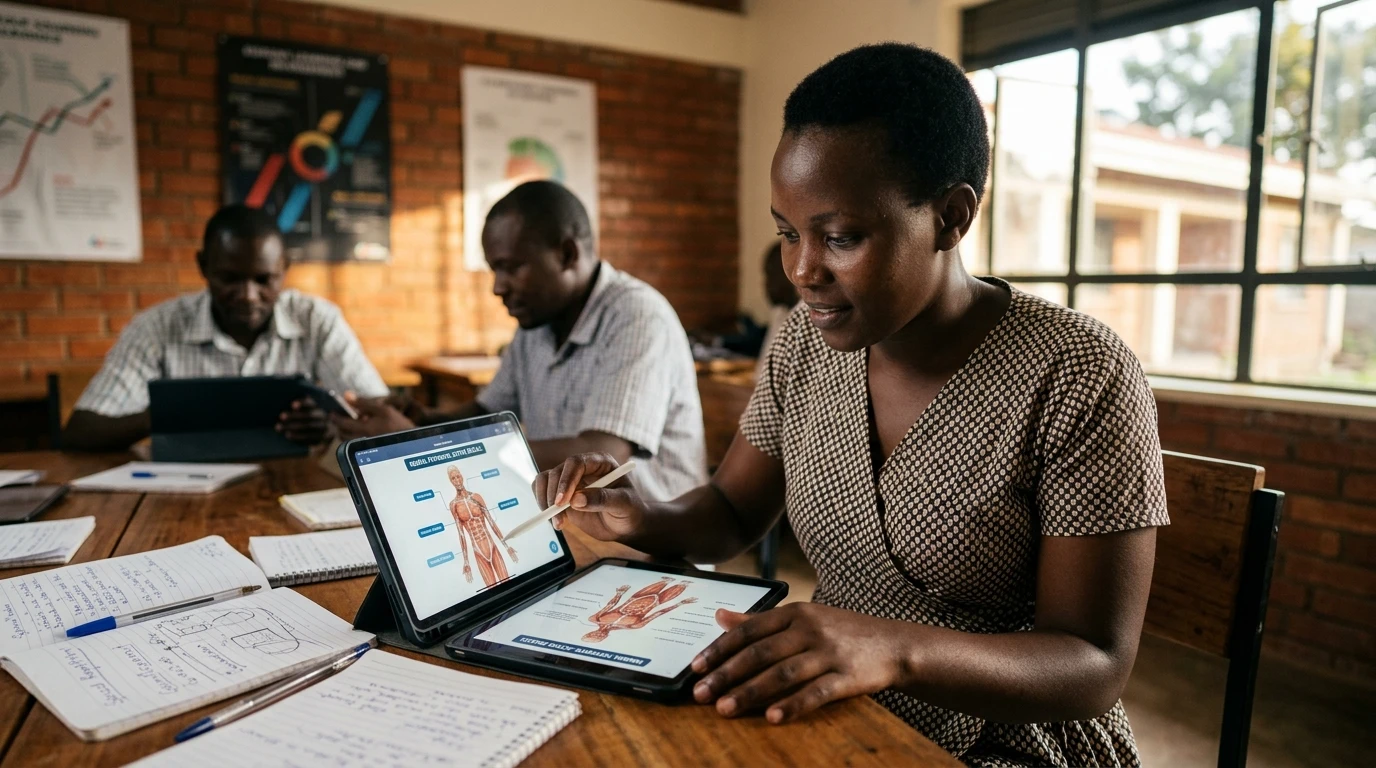
Here is something fascinating that most people do not know: the average human forgets approximately 70% of new information within 24 hours of learning it if there is no reinforcement. This is called the Forgetting Curve, discovered by German psychologist Hermann Ebbinghaus. For centuries, education ignored this basic human limitation. Next-generation learning platforms do not. They are built around it.
Key Learning Science Principles Used by Modern Platforms
- Spaced Repetition: Instead of cramming information once, these platforms serve you the same content at scientifically timed intervals — days or weeks later — right before you would normally forget it. Apps like Duolingo and Anki pioneered this approach, and research shows it can increase long-term retention by up to 200% (Cepeda et al., Psychological Science).
- Active Recall: Rather than re-reading notes, platforms challenge you to retrieve information from memory. Studies consistently show this is one of the most effective study methods known to cognitive science.
- The Feynman Technique: Some platforms ask you to teach what you have just learned — in your own words — because explaining concepts to others solidifies your own understanding.
- Flow State Optimization: Hungarian psychologist Mihaly Csikszentmihalyi's research on "flow" — the state of deep, effortless engagement — shows that people learn best when tasks are just slightly above their current ability. AI-driven platforms adjust difficulty in real time to keep learners in this optimal zone.
- Emotional Engagement: When learning feels meaningful and connected to personal goals, the brain releases dopamine — the "reward" chemical — which reinforces the behavior of studying. Great platforms tell stories, use real-world examples, and connect learning to purpose.
4. A Story That Will Change How You See Online Learning Forever
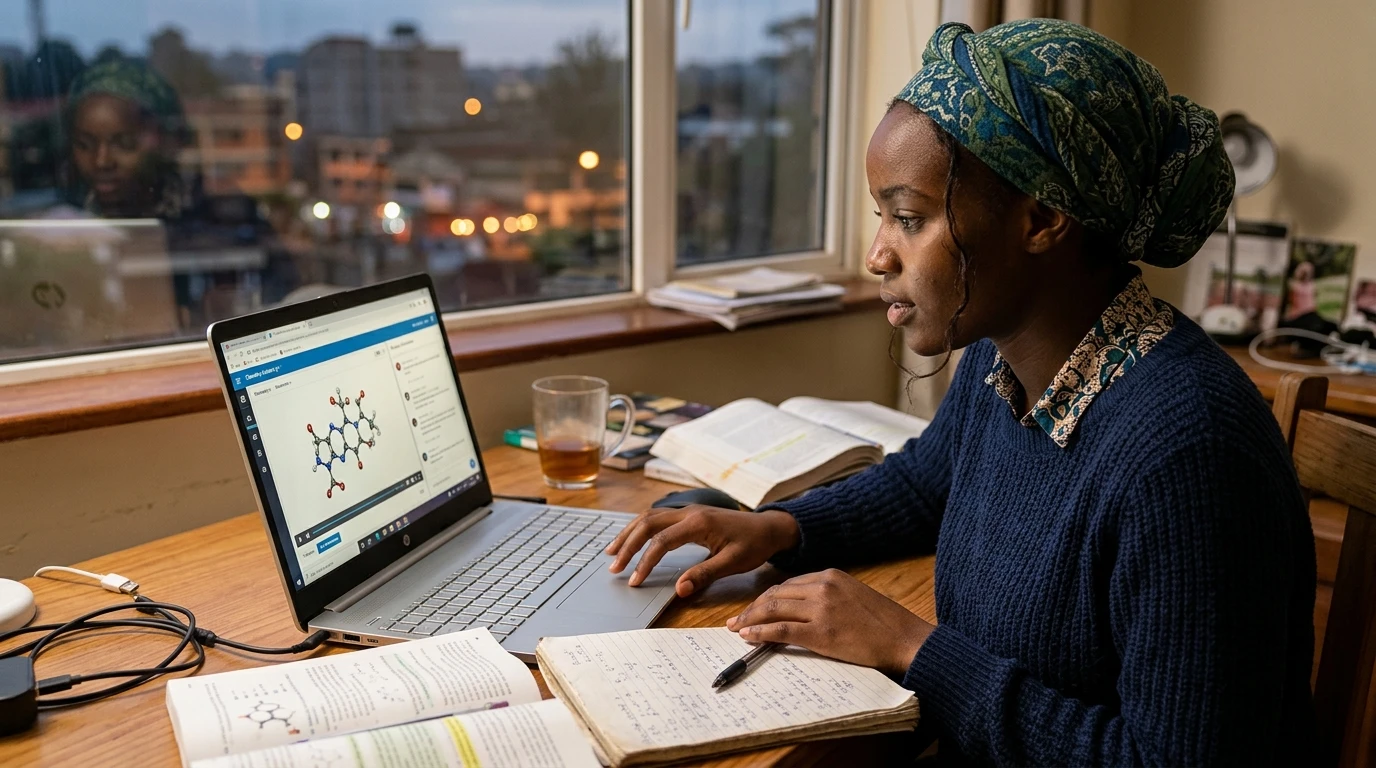
Let us talk about David Osei, a young man from Kumasi, Ghana. David grew up in a family of six, sharing a two-room house with his parents and four siblings. His father was a tailor and his mother sold produce at the local market. University was financially impossible. The closest vocational school was affordable but had no courses in digital marketing, which was David's passion after spending hours on social media watching brands grow their audiences.
One evening, a friend showed David a free online course on digital marketing through a well-known global learning platform. He was skeptical — could clicking through videos on his phone really teach him something valuable? He decided to try. Three months later, David had completed five courses, built a portfolio of social media campaigns for local small businesses (for free, just to practice), and applied for a junior digital marketing role at a Lagos-based company that hired remotely.
He got the job. Within two years, he was promoted twice and began freelancing for international clients. Today, David earns more than most university graduates in his city — and he did it without ever setting foot in a lecture hall.
David's story is not unique. It is being repeated every single day across Africa — in Nairobi, Kampala, Dakar, Accra, and Cape Town. Online learning platforms have become the great equalizer of our time, giving every person with a phone and a dream access to the same knowledge previously reserved for the privileged few.
5. The Most Impactful Next-Generation Learning Platforms Transforming Africa and the World
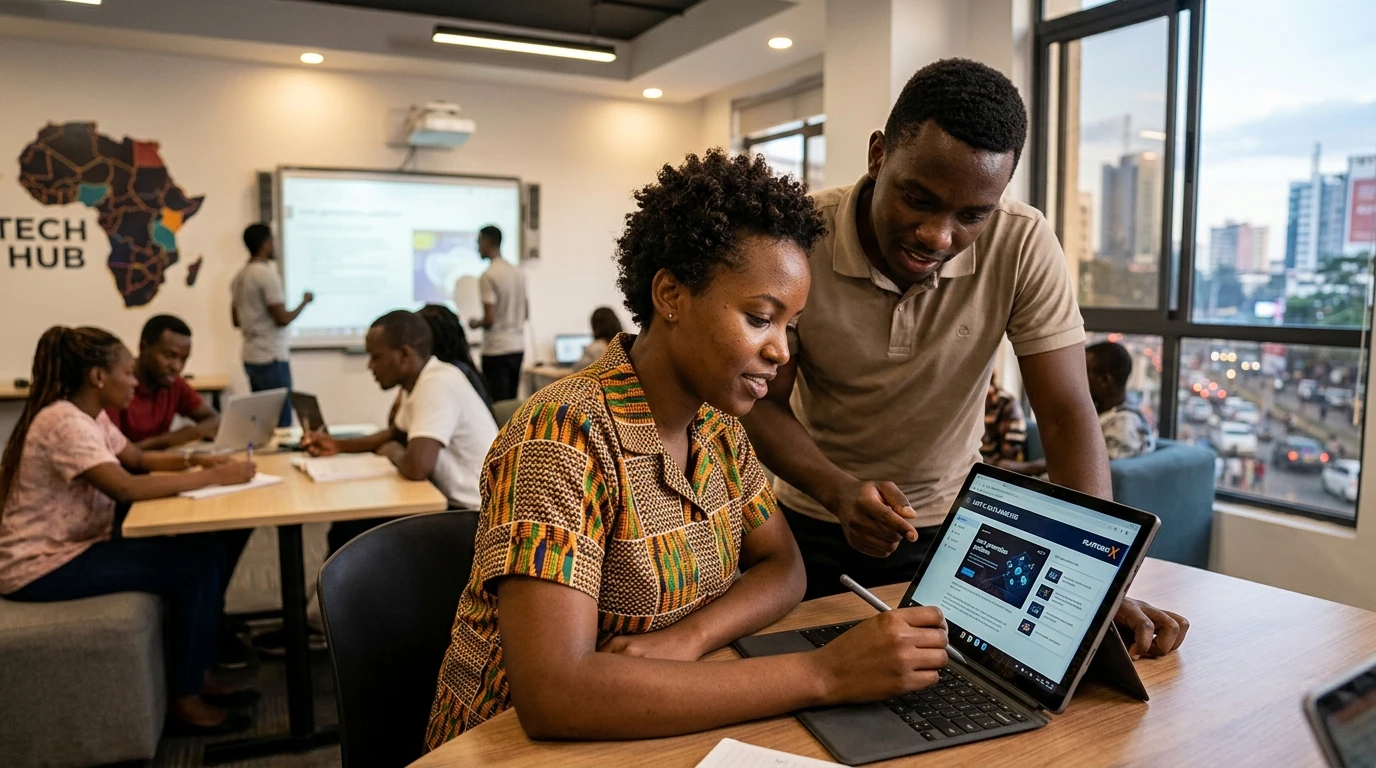
Let us now look at the platforms that are genuinely making a difference. These are not just popular — they are changing lives. [LINK: Top Online Learning Platforms for African Students]
Global Platforms With African Impact
- Coursera: Partners with over 300 universities and companies worldwide. Offers certificates, professional diplomas, and even full degree programs. Financial aid is available, making it accessible to learners in lower-income situations. Coursera has distributed over 100 million course enrollments globally.
- Khan Academy: Completely free. Covers everything from basic arithmetic to advanced university-level topics. Beloved by educators and used in schools across Africa. Their adaptive learning engine adjusts to each student's level in real time.
- edX: Founded by MIT and Harvard, offering hundreds of free and paid courses. Strong in STEM subjects. Many African governments have partnered with edX to upskill their workforces.
- LinkedIn Learning: Professional skills courses directly connected to the world's largest professional network — helping learners not just gain skills but get noticed by employers.
Africa-Born Platforms Changing the Game
- ALX Africa (formerly ALC): One of Africa's most powerful tech training programs, offering intensive software engineering and leadership programs. Over 100,000 graduates trained across 60+ African countries. ALX is known for its brutally challenging curriculum that produces job-ready professionals.
- Andela: Trains and connects African software developers with global companies. Has trained thousands of engineers across Nigeria, Kenya, Rwanda, Ghana, and Egypt. Andela alumni work at companies like Google, Microsoft, and Coursera itself.
- uLesson: Nigeria-based platform offering affordable, curriculum-aligned video lessons for secondary school students across West Africa. Designed for low-bandwidth environments — a major consideration in Africa.
- Moringa School: Kenya-based tech training school with online programs in software development, data science, and UX design. Strong industry connections and job placement support.
- eLimu: Kenya-based educational content provider focused on primary school learners. Uses storytelling, games, and animations to make foundational learning joyful and effective.
📊 Pie Chart: Online Learner Share by Region
- 🔵 Asia-Pacific: 42%
- 🟢 North America: 22%
- 🟡 Europe: 18%
- 🟠 Africa: 10% (fastest growing)
- 🔴 Latin America: 6%
- ⚪ Middle East: 2%
Source: Global E-Learning Market Analysis, Research and Markets
Notice something important in that data? Africa holds 10% of online learners but represents over 17% of the global population and has the world's youngest and fastest-growing population. That gap is not a problem — it is an enormous opportunity waiting to be seized.
6. How Artificial Intelligence Is Personalizing Education Like Never Before
One of the most game-changing aspects of next-generation online learning platforms is the integration of Artificial Intelligence (AI). And before you roll your eyes — no, this is not just tech buzzword territory. AI is genuinely reshaping how millions of people learn, and understanding how it works will help you get the most out of any platform you use.
What AI Does Inside a Learning Platform
Think of AI in education like a personal coach who never sleeps, never gets impatient, and never judges you. Here is what it actually does:
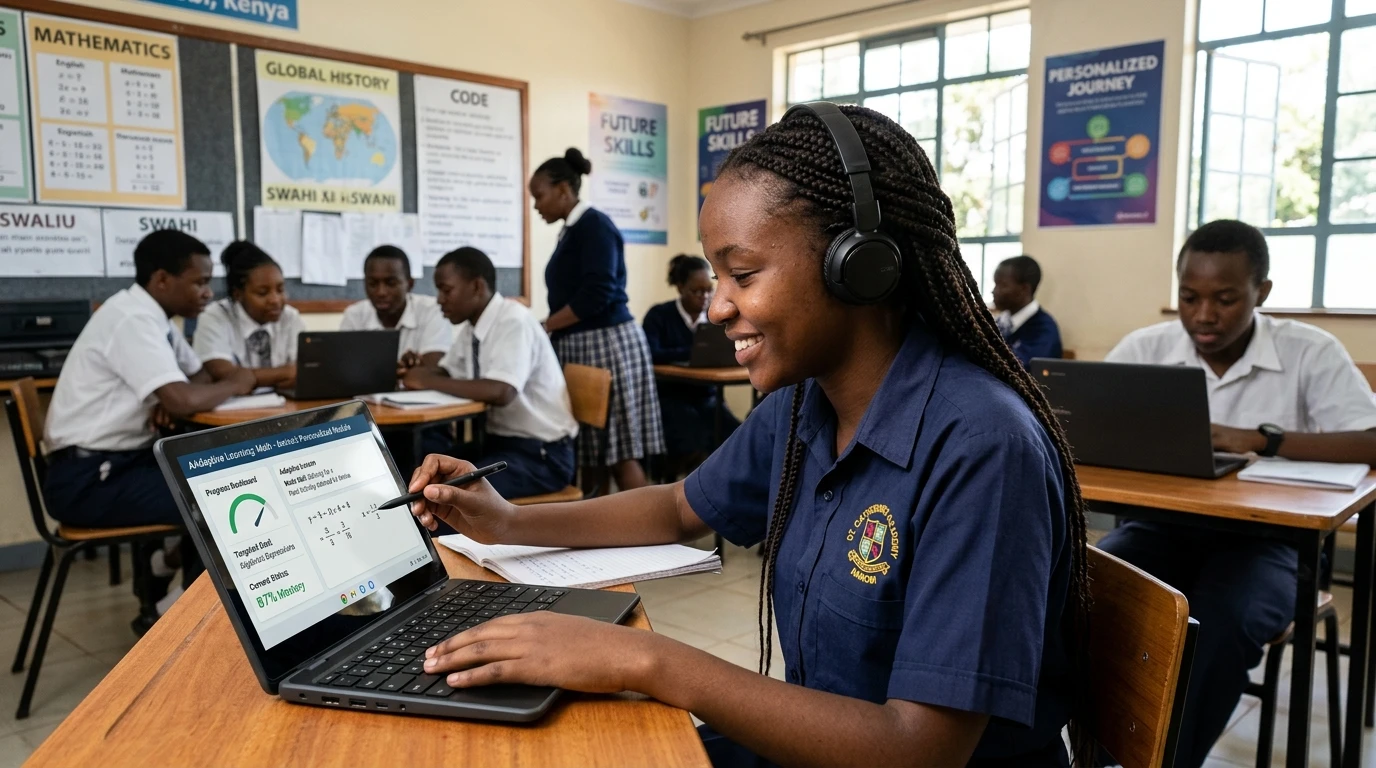
- Learning Path Customization: When you first join a platform, AI assesses your current knowledge through diagnostic questions. Then it builds a custom roadmap — not the same generic curriculum given to everyone else, but one that starts exactly where you are.
- Real-Time Feedback: When you submit a project or answer a quiz, AI gives immediate, specific feedback — not just "wrong answer" but "Here is why, and here is what to review." This is especially valuable in coding platforms like Codecademy and freeCodeCamp.
- Dropout Prediction and Intervention: AI monitors patterns in your behavior — if you have not logged in for three days, if your quiz scores are dropping, if you are spending too long on one lesson — and sends encouraging messages or adjusts content difficulty to re-engage you.
- Natural Language Processing (NLP) for Tutoring: AI chatbots can now answer questions in natural human language, explain concepts in multiple ways, and even hold Socratic dialogues to deepen your understanding.
- Skill Gap Analysis: AI compares your current skills against job market data and tells you exactly what to learn next to qualify for your desired career — turning a vague aspiration into a clear, actionable roadmap.
"AI in education is not about replacing teachers. It is about giving every learner access to the kind of personalized attention that only the wealthiest students could previously afford."

7. The Power of Community: Why Learning Together Beats Learning Alone
Here is a truth that data consistently confirms: people who learn in communities are significantly more likely to complete their courses and apply what they learn. According to a report by MIT OpenCourseWare, learners who participate in discussion forums and peer study groups have course completion rates up to 5 times higher than those who go it alone.
This is why the best next-generation platforms invest heavily in building learning communities — not just content libraries. When you can post a question and have five fellow learners and a mentor respond within hours, learning stops being a solitary activity and starts feeling like being part of something bigger than yourself.
Types of Community Features That Drive Learning Success
- Discussion Forums: Topic-specific boards where learners ask questions, share insights, and debate ideas. Platforms like Coursera and edX have thriving communities.
- Study Groups: Organized small groups that meet virtually on a regular schedule — replicating the accountability of traditional classroom cohorts.
- Mentorship Matching: AI or human-facilitated matching between experienced professionals and newer learners — one of the most powerful career acceleration tools available.
- Hackathons and Challenges: Time-bound collaborative projects that simulate real work environments and build portfolios. ALX Africa is particularly known for these.
- Live Sessions and Webinars: Regular live interactions with instructors and industry professionals that bring the human element back into digital learning.
There is something deeply moving about watching a community of learners from 30 different African countries — speaking different mother tongues, from different economic backgrounds — collaborating on a single coding project at midnight because they all believe in the same dream. That is not just learning. That is human connection at its finest.

8. Making Learning Accessible: Breaking Down Every Possible Barrier
One of the most inspiring things about next-generation online learning platforms is their commitment to radical accessibility. The best platforms are designed on the principle that no barrier should stand between a willing learner and great education. Let us look at how they are doing it.
Breaking the Cost Barrier
Cost is the number one reason people in developing countries do not access further education. The next-generation response? A revolution in pricing models:
- Freemium Models: Access core content free, pay only for certificates or advanced features. Khan Academy is completely free. Coursera offers audit options.
- Income Share Agreements (ISAs): Pay nothing upfront. Pay a percentage of your salary after you get a job. Andela and several ALX programs use this model.
- Scholarship Programs: Google, Microsoft, and platform-funded scholarships for learners in lower-income countries. Thousands of free seats available annually.
- Government Partnerships: Countries like Rwanda, Kenya, and Ghana have struck deals with major platforms to provide subsidized access to citizens.
Breaking the Connectivity Barrier
Limited internet access is a real challenge in many parts of Africa. Smart platforms have responded with:
- Offline Download: Download lessons to your phone and complete them without internet. Sync progress when you reconnect.
- Low-Bandwidth Optimization: Platforms like uLesson compress video content to run on 2G connections without buffering.
- SMS-Based Learning: Some platforms deliver micro-lessons via SMS for learners with no smartphone but a basic feature phone.
- Community Wi-Fi Hubs: Partnerships with local businesses, churches, and community centers to provide free Wi-Fi access points.
Breaking the Language Barrier
English dominates the internet, but it is not the first language of most Africans. Leading platforms are investing in:
- Course content in Swahili, Hausa, Yoruba, Zulu, Amharic, and other major African languages.
- AI-powered real-time translation of written and video content.
- Subtitles and transcripts in multiple languages for all video content.

9. The Jobs and Careers Being Created by Online Learning
Learning for the sake of learning is beautiful. But learning that leads to tangible career opportunities and financial freedom? That is life-changing. Let us look at the real economic impact of next-generation online learning.
📊 Bar Chart: Skills vs. Annual Entry-Level Earnings (USD)
| Skill | Learning Time (Avg.) | Entry Salary (USD/yr, Remote) |
|---|---|---|
| Software Engineering | 6–12 months | $30,000 – $70,000 |
| Data Science / Analytics | 4–8 months | $25,000 – $55,000 |
| Digital Marketing | 2–4 months | $12,000 – $30,000 |
| UX / UI Design | 3–6 months | $20,000 – $45,000 |
| Cybersecurity | 6–12 months | $35,000 – $75,000 |
| Project Management | 2–3 months | $18,000 – $40,000 |
Sources: Glassdoor, LinkedIn Salary Insights, Remote.co salary data
Look at those numbers. A young person in Africa who spends 6–12 months consistently learning software engineering through a free or affordable online platform can potentially access a remote income that is 10 to 20 times the average local salary in many African countries. That is not a small thing. That is generational wealth potential sitting on a free app on your phone.
And the demand is only growing. The World Economic Forum's Future of Jobs Report predicts that 97 million new roles will emerge globally that are adapted to the new division of labor between humans, machines, and algorithms. The majority of these roles require digital skills — exactly the skills being taught on next-generation online platforms.

10. A Mother's Midnight Study Sessions: The Most Inspiring Kind of Learning
Fatima worked as a school administrator for seven years — a stable but modestly paying job that left little room for financial growth. Her husband drove a commercial bus. Together, they managed, but only barely. When her youngest child started primary school, Fatima found herself with a narrow window of personal time each evening. Instead of spending it on social media, she made a decision that would quietly transform her family's future: she enrolled in a free data analytics course on a globally recognised online platform.
For eleven months, Fatima studied between 10 PM and midnight — every single weekday. She rewatched lessons she did not understand. She participated in online discussion forums. She built small projects using publicly available datasets about Nigerian agricultural output, which she found deeply relevant to her community. When she finally earned her professional certificate, she applied for a remote data analyst role with an international development NGO that was collecting health data across West Africa. She was hired.
Today, Fatima earns three times her previous salary, works from home, and has been promoted to a senior analyst position. Her eldest daughter, inspired by watching her mother study every night, has already begun her own online coding journey at age fourteen. That is the multiplier effect of education — it does not just change the learner, it changes everyone around them.

11. How to Choose the Right Online Learning Platform — A Practical Decision Framework
With hundreds of online learning platforms now available — ranging from free to premium, from generalist to hyper-specialised — one of the most common challenges learners face is simply choosing where to begin. The abundance of options, while ultimately a good problem to have, can create what psychologists call "choice paralysis" — the overwhelming sense that leads people to choose nothing at all.
This section provides a clear, evidence-informed framework for making that decision confidently.
Step 1 — Define Your Learning Goal With Precision
The most important question to answer before selecting any platform is not "Which platform is best?" but rather "What specific outcome do I want to achieve, and by when?" Vague goals produce vague results. Consider the difference between these two goal statements:
- Vague: "I want to learn technology."
- Precise: "I want to build enough Python programming skill within six months to apply for entry-level data analyst roles on remote job platforms."
The precise goal tells you exactly which platform type to look for, which course category to filter by, and how to measure your progress. According to research published in the British Journal of Health Psychology, people who set specific implementation intentions — detailing what, when, and how — are two to three times more likely to follow through on their goals than those with general intentions.
Step 2 — Assess the Five Platform Quality Indicators
Once your goal is clear, evaluate any platform against these five quality indicators before committing your time and money:
- Curriculum Relevance and Currency: When was the content last updated? In fast-moving fields like technology and digital marketing, a course from 2018 may teach you tools that are now obsolete. Look for platforms that commit to regular curriculum reviews.
- Instructor Credibility: Are the instructors active practitioners in their field, or purely academic? The best learning platforms combine theoretical depth with real-world practitioner insight. Check instructor LinkedIn profiles and industry track records.
- Learner Outcome Data: Does the platform publish verifiable graduate employment statistics? Reputable platforms such as ALX Africa and Andela openly share placement rates and employer partnerships. Be cautious of platforms that make bold outcome claims without supporting evidence.
- Community and Support Infrastructure: Does the platform offer mentorship, peer interaction, or live support — or is it purely self-directed video consumption? As established in the previous section, community dramatically improves completion rates and skill retention.
- Accessibility for Your Context: Does the platform work well on your available device and connection speed? Are courses available in your preferred language? Is the pricing model feasible for your financial situation? A world-class curriculum is worthless if you cannot access it consistently.
| Platform | Best For | Cost Model | African Accessibility |
|---|---|---|---|
| Khan Academy | Foundational academics, school learners | Completely free | Excellent (low bandwidth optimised) |
| Coursera | University-level certificates, professional skills | Freemium + financial aid available | Good (financial aid for low-income learners) |
| ALX Africa | Tech careers, African professionals | Free to subsidised (ISA model) | Excellent (Africa-built and focused) |
| LinkedIn Learning | Professional soft skills, career development | Subscription (~$40/month) | Moderate (requires stable internet) |
| uLesson | Secondary school curriculum (West Africa) | Affordable subscription | Excellent (2G compatible, local curriculum) |
| freeCodeCamp | Web development, coding from scratch | Completely free | Good (browser-based, works on basic devices) |
Step 3 — Start Small, Then Commit
Behavioural science research, particularly the work of BJ Fogg at Stanford University's Behaviour Design Lab, strongly suggests that the most sustainable way to build a new learning habit is to begin with an almost embarrassingly small commitment. Do not begin by pledging to study four hours every day. Begin by committing to open your learning platform for ten minutes every morning before breakfast. Once that habit is established, scaling upward becomes natural.
"You do not rise to the level of your goals. You fall to the level of your systems."
The platform you choose matters far less than the consistency with which you show up. A mediocre platform used daily will produce better outcomes than the world's best platform opened once and abandoned. Build the system first — then optimise it.

12. Overcoming Common Pitfalls in Online Learning
Online learning offers unparalleled opportunities, but like any educational endeavor, it comes with its own set of challenges. Understanding these pitfalls and how to overcome them is crucial for maximizing the benefits of digital education. Here, we address common issues learners face and provide strategies to overcome them.
Common Challenges and How to Tackle Them
- Lack of Motivation and Discipline: Without the structure of a traditional classroom, maintaining motivation can be tough. To counter this, set specific goals, create a study schedule, and stick to it. Utilize features like gamification and leaderboards present on many platforms to keep you engaged.
- Information Overload: The vast amount of information available can be overwhelming. Focus on mastery, not on quantity. Prioritize courses that align directly with your specific learning goals, and regularly review and consolidate your knowledge to combat the "Forgetting Curve."
- Technical Issues: Connectivity problems can disrupt the learning process. Download course materials for offline access whenever possible and ensure your learning platform is optimized for your available technology.
- Isolation: The solitary nature of online learning can lead to feelings of isolation. Join discussion forums, attend live webinars, and participate in community events on the platform to connect with fellow learners.
- Procrastination: Delaying study hours can hinder progress. Implement techniques like the Pomodoro Technique, which involves studying for 25 minutes followed by a 5-minute break, to maintain focus and reduce procrastination.
Being aware of these challenges and implementing practical solutions can transform potential roadblocks into stepping stones toward successful learning outcomes.
13. The Future of Learning: What Lies Ahead?
As we look towards the future, the landscape of education continues to evolve rapidly. Emerging technologies and innovative approaches promise to make learning even more accessible, engaging, and effective.
Emerging Trends in Digital Education
- Virtual Reality (VR) and Augmented Reality (AR): These technologies create immersive learning experiences, allowing learners to "visit" locations and interact with 3D objects in a virtual environment. Fields like medicine and architecture can benefit significantly from such experiential learning opportunities.
- Blockchain for Credentialing: Blockchain technology is being explored to create tamper-proof digital certification, ensuring the authenticity of qualifications. This could revolutionize how employers verify educational credentials.
- Personalized Learning Paths Amplified by AI: As AI technology advances, the personalization of curricula will become even more precise, catering to individual learning styles and preferences.
- Sustainability and Lifelong Learning: The focus is shifting towards sustainability in education, promoting continuous, lifelong learning beyond formal education years. Platforms will increasingly offer micro-credentials and skill-based learning valid for specific industries.
These advancements present exciting opportunities but also require adaptability from learners and educators. Staying informed about new technologies and methodologies will be essential to remain competitive in the evolving education and employment landscapes.
Conclusion: Embrace the Change, Transform Your Life
We have explored how next-generation online learning platforms are transforming education across Africa and the world, breaking down barriers of cost, accessibility, and relevance, and equipping learners with the skills needed for tomorrow's job market. As someone who has spent years in educational development and technology, I remain hopeful and excited about the future.
Whether you are like Amara, David, or Fatima, the opportunities are boundless — and yours for the taking. The only thing standing between you and the future you want is the decision to start. The tools are ready. The communities await. The knowledge is within your reach. The revolution is here, and it is an invitation to everyone who dares to dream bigger and reach higher.
Embrace it. Transform your life. The journey is just beginning.