

Picture this: it is early morning in Dar es Salaam. The sun has barely risen, but the streets are already alive. A mama mboga hurries to catch the first daladala to the market. A university student counts the coins in his pocket, praying the fare has not gone up again. A bodaboda rider starts his engine, wondering whether the new transport rules will affect how much he takes home tonight. These are not fictional characters — they are real people, and the story of Tanzania new transport fares is their story too.
Transport is not just about getting from point A to point B. In Tanzania, transport is the bloodline of the economy. It is how farmers get their produce to market, how students get to school, how nurses get to hospitals, and how families stay connected across cities and villages. When transport fares change, everyone feels it — from the wealthiest businessman in Masaki to the humblest farmer in Mbeya.
So when Tanzania announced new transport fare adjustments — regulated and monitored by the Land Transport Regulatory Authority (LATRA) — the news sent ripples across the country. Some people were angry. Some were confused. Some were relieved. And most were simply trying to figure out: How does this affect me? What do I need to know? And how can I manage?
That is exactly what this article is here for. We have done the research so you do not have to. Whether you are a daily commuter in Dar es Salaam, a bus operator in Dodoma, a traveller planning a trip from Arusha to Mwanza, or simply someone who wants to understand how Tanzania's transport system works — this is your complete, honest, and practical guide to Tanzania's new transport fares.
Grab your chai, sit down, and let us walk through this together. By the time you finish reading, you will not only understand the fares — you will understand the bigger picture, feel empowered to navigate the system, and maybe even feel a little inspired by the extraordinary resilience of everyday Tanzanians who keep moving, no matter what.
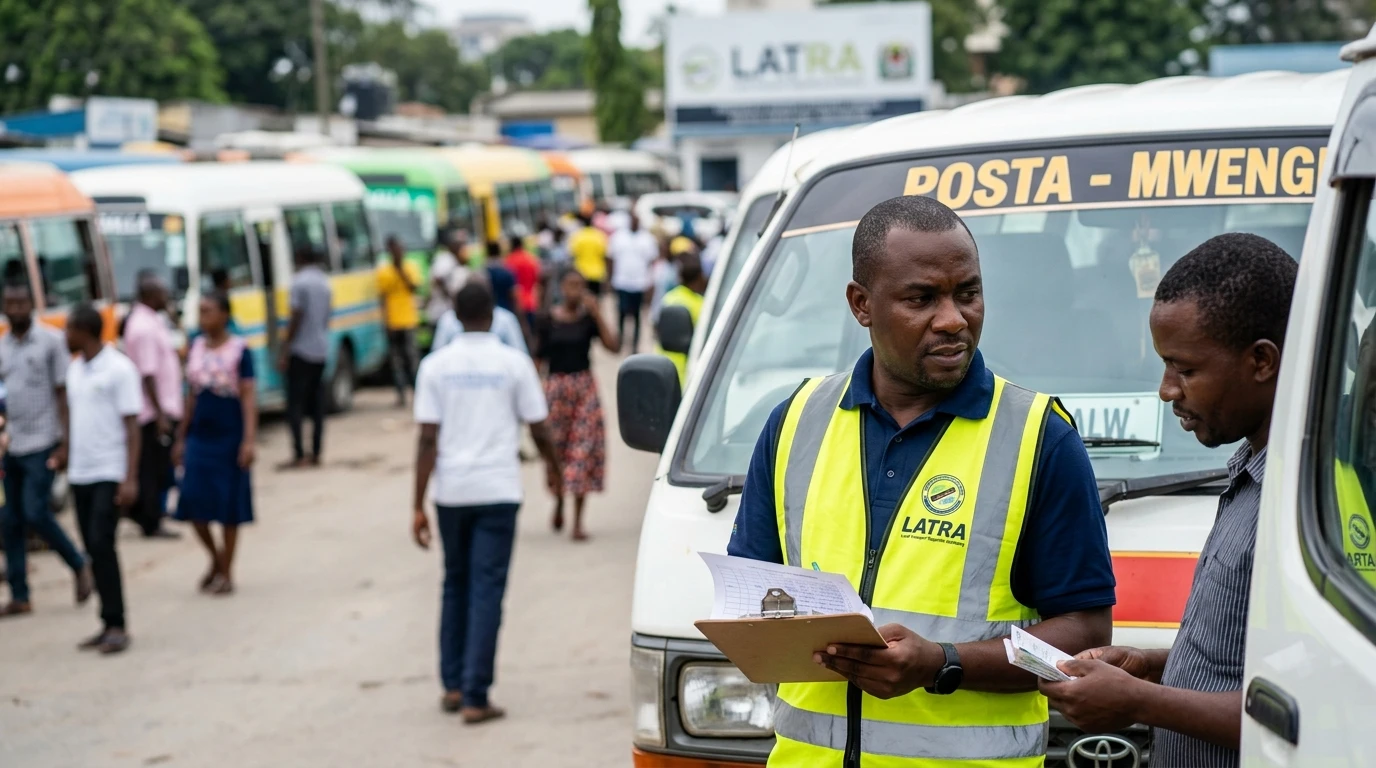
What Is LATRA and Why Does It Control Transport Fares?
Before we dive into the numbers, let us talk about the institution that sits at the heart of Tanzania's transport fare system: LATRA — the Land Transport Regulatory Authority.
LATRA was established under the Surface and Marine Transport Regulatory Authority Act and later restructured to specifically handle land transport regulation. Its job is to oversee, license, and regulate land transport services across Tanzania — including buses, minibuses (daladala), taxis, bodaboda motorcycles, and long-distance coaches.
Think of LATRA as the referee in a football match. Without a referee, players do whatever they want — and passengers would be at the mercy of operators who could charge any price they wish. LATRA sets the rules, publishes official fare schedules, investigates complaints, and ensures that both operators and passengers are treated fairly.
Why Fares Are Regulated — And Not Left to the Free Market
You might wonder — why doesn't Tanzania just let the market decide the prices? The answer is simple: transport is a public necessity, not a luxury product. If fares were left completely unregulated, low-income commuters — who make up the majority of public transport users — would be priced out of mobility entirely. And without mobility, people cannot work, cannot access healthcare, and cannot participate in the economy.
According to the African Development Bank (AfDB), inadequate transport infrastructure and unaffordable fares are among the top barriers to economic inclusion in Sub-Saharan Africa. In Tanzania specifically, studies show that a significant portion of urban households spend between 10–20% of their monthly income on transport costs alone.
Regulation, therefore, is an act of social justice as much as it is economic policy. When LATRA adjusts fares, it is trying to balance two competing needs: keeping transport affordable for ordinary citizens while ensuring operators earn enough to stay in business, maintain their vehicles, and provide safe services.
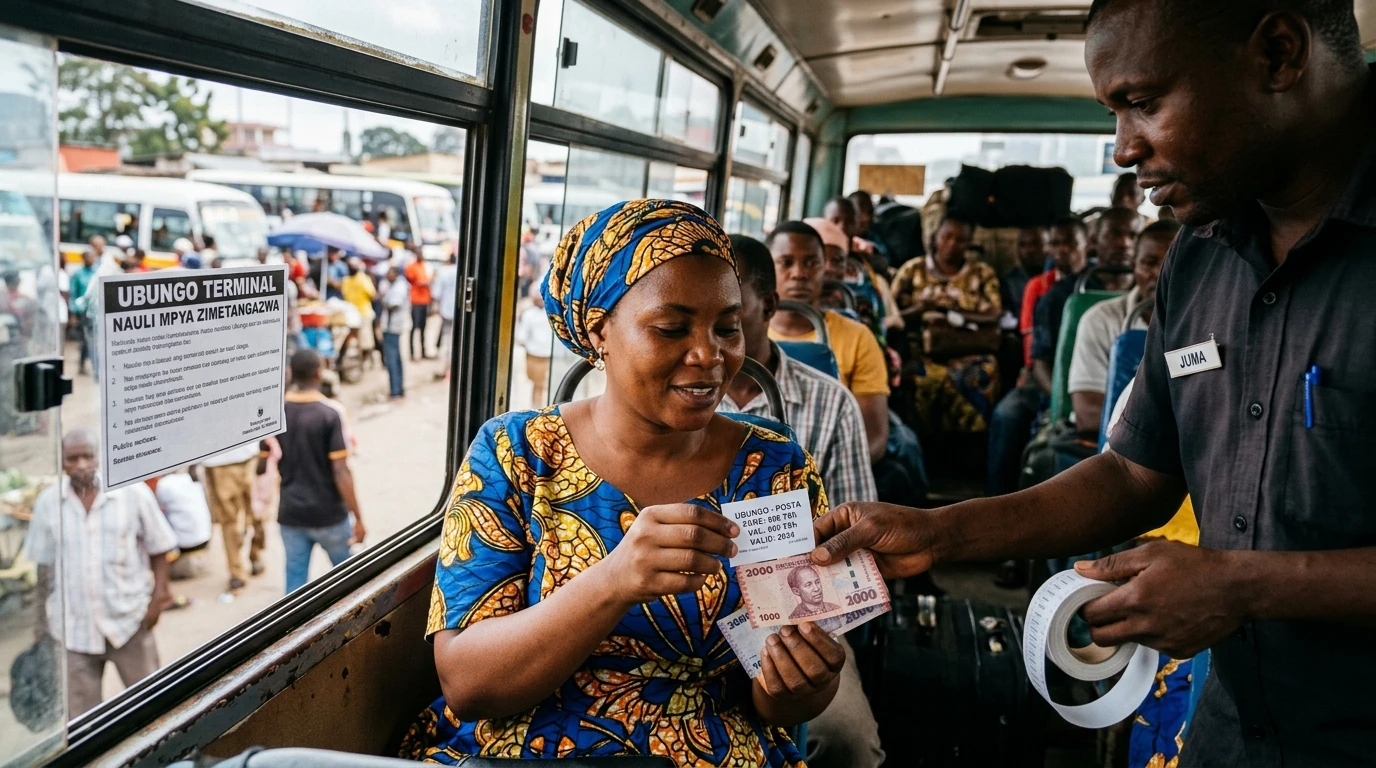
An Overview of Tanzania's New Transport Fares
Tanzania periodically reviews and adjusts transport fares to reflect changes in fuel prices, vehicle maintenance costs, driver wages, and inflation. These adjustments are announced officially through LATRA's gazette notices and communicated to operators and the public.
The new fare structure covers several categories of transport. Let us break them down clearly.
Urban Transport Fares (Daladala and City Buses)
In cities like Dar es Salaam, Arusha, Mwanza, and Dodoma, the most common form of public transport is the daladala — the iconic minibus that weaves through city traffic, packed to capacity, with a conductor hanging out the door calling out destinations. For millions of Tanzanians, the daladala is not just a bus; it is a lifeline.
| Route Type | Previous Fare (Approx.) | New Fare (Approx.) | Change |
|---|---|---|---|
| Short urban route (up to 5 km) | TZS 400–500 | TZS 500–600 | +TZS 100 |
| Medium urban route (5–15 km) | TZS 600–800 | TZS 800–1,000 | +TZS 200 |
| Long urban route (15+ km) | TZS 1,000–1,500 | TZS 1,200–1,800 | +TZS 200–300 |
| BRT (DART) — Dar es Salaam | TZS 650 | TZS 800 | +TZS 150 |
*Note: These figures are indicative based on LATRA's publicly available fare schedules and are subject to route-specific adjustments. Always confirm fares with LATRA's official website or regional offices.*
Inter-City and Long-Distance Bus Fares
Long-distance travel in Tanzania is handled by a growing network of private bus companies — some of which, like Dar Express, Kilimanjaro Express, and Royal Coach, have built strong reputations for safety and reliability. LATRA also regulates these fares, though operators may vary slightly based on comfort class (economy vs. executive/VIP).
| Route | Distance (Approx.) | Economy Fare (Approx.) | Executive/VIP Fare (Approx.) |
|---|---|---|---|
| Dar es Salaam → Arusha | ~650 km | TZS 25,000–30,000 | TZS 35,000–50,000 |
| Dar es Salaam → Mwanza | ~1,130 km | TZS 35,000–45,000 | TZS 55,000–75,000 |
| Dar es Salaam → Dodoma | ~450 km | TZS 15,000–20,000 | TZS 25,000–35,000 |
| Dar es Salaam → Mbeya | ~900 km | TZS 30,000–40,000 | TZS 45,000–65,000 |
| Arusha → Moshi | ~80 km | TZS 5,000–8,000 | TZS 10,000–15,000 |
| Dar es Salaam → Tanga | ~350 km | TZS 12,000–18,000 | TZS 22,000–30,000 |
Bodaboda (Motorcycle Taxi) Fares
The bodaboda is Tanzania's answer to traffic congestion and last-mile connectivity. These motorcycle taxis are everywhere — zipping through alleys where buses cannot go, connecting rural areas to town centres, and getting you to your destination when time is short. LATRA has also issued guidelines for bodaboda fares, though in practice, rates are often negotiated.
| Distance | Typical Fare Range (Urban) | Typical Fare Range (Rural) |
|---|---|---|
| Up to 2 km | TZS 1,000–2,000 | TZS 500–1,500 |
| 2–5 km | TZS 2,000–4,000 | TZS 1,500–3,000 |
| 5–10 km | TZS 4,000–8,000 | TZS 3,000–6,000 |
| Over 10 km | Negotiated | Negotiated |
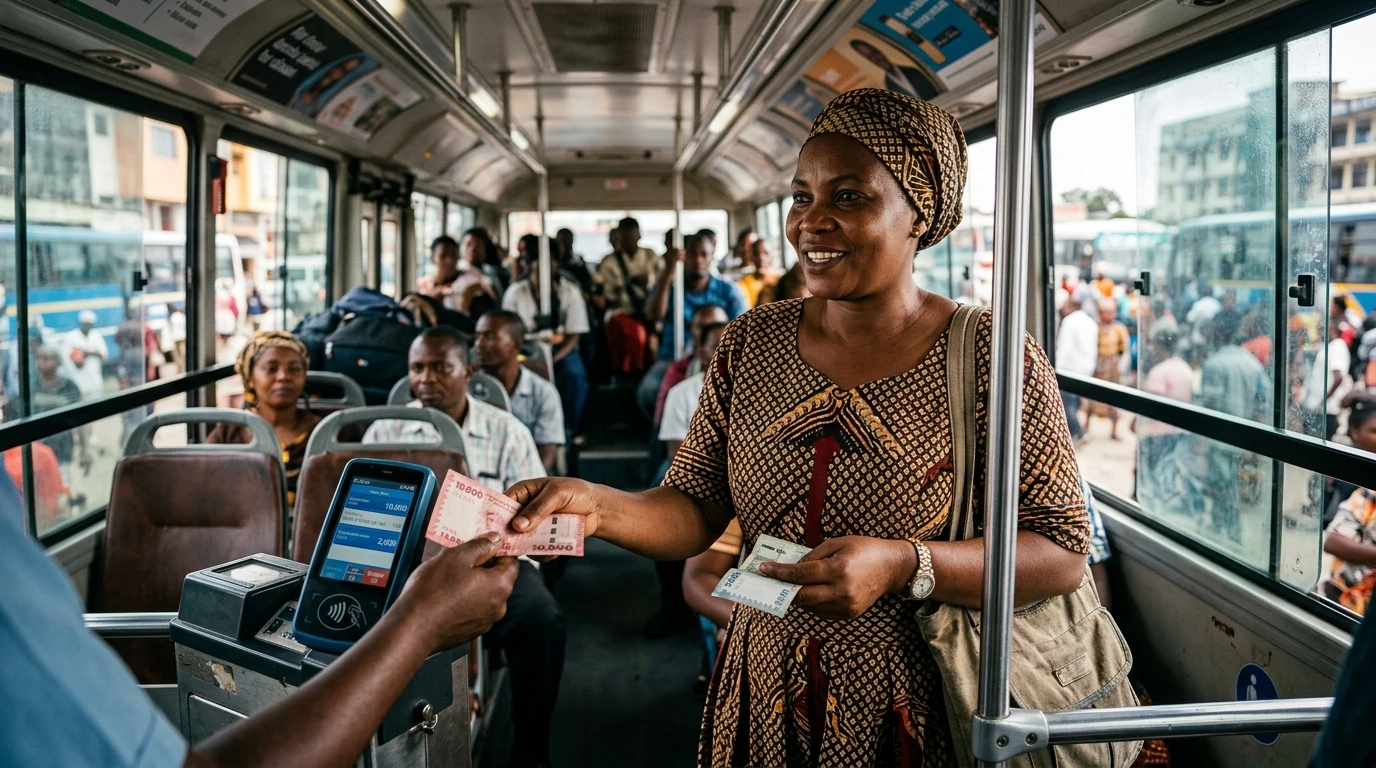
Why Did Tanzania's Transport Fares Change? The Real Reasons Behind the Numbers
Whenever transport fares go up, the immediate reaction from most people is frustration — and that frustration is completely valid. Nobody wants to spend more money. But to truly understand the situation, we need to look honestly at the forces driving these changes.
1. Rising Fuel Prices
Fuel is the single biggest operating cost for transport operators in Tanzania. When global oil prices rise, it affects the pump price of petrol and diesel in Tanzania almost immediately. According to data from the Energy and Water Utilities Regulatory Authority (EWURA), fuel prices in Tanzania are reviewed monthly and adjusted based on international crude oil prices, the exchange rate of the Tanzanian shilling, and government taxes.
When a daladala operator is paying significantly more at the fuel pump, that cost has to go somewhere — and in most cases, it gets passed on to passengers in the form of higher fares. This is not unique to Tanzania; it is a global phenomenon.
2. Vehicle Maintenance and Spare Parts Costs
Most of Tanzania's public transport vehicles are imported. Spare parts — tyres, engines, brakes, suspension — are also largely imported and paid for in foreign currency, primarily US dollars. When the Tanzanian shilling weakens against the dollar, the cost of maintaining a vehicle rises dramatically, even if nothing else changes.
3. Inflation and the Cost of Living
Transport operators are human beings with families to feed. Drivers, conductors, mechanics — all of them face the same rising cost of living as their passengers. Salary adjustments for these workers naturally feed into the overall cost of running a transport business.
4. LATRA's Safety and Compliance Requirements
LATRA requires transport operators to meet specific safety standards — regular vehicle inspections, insurance coverage, driver licensing, and route permits. These compliance costs are real and significant, particularly for small operators with one or two vehicles.
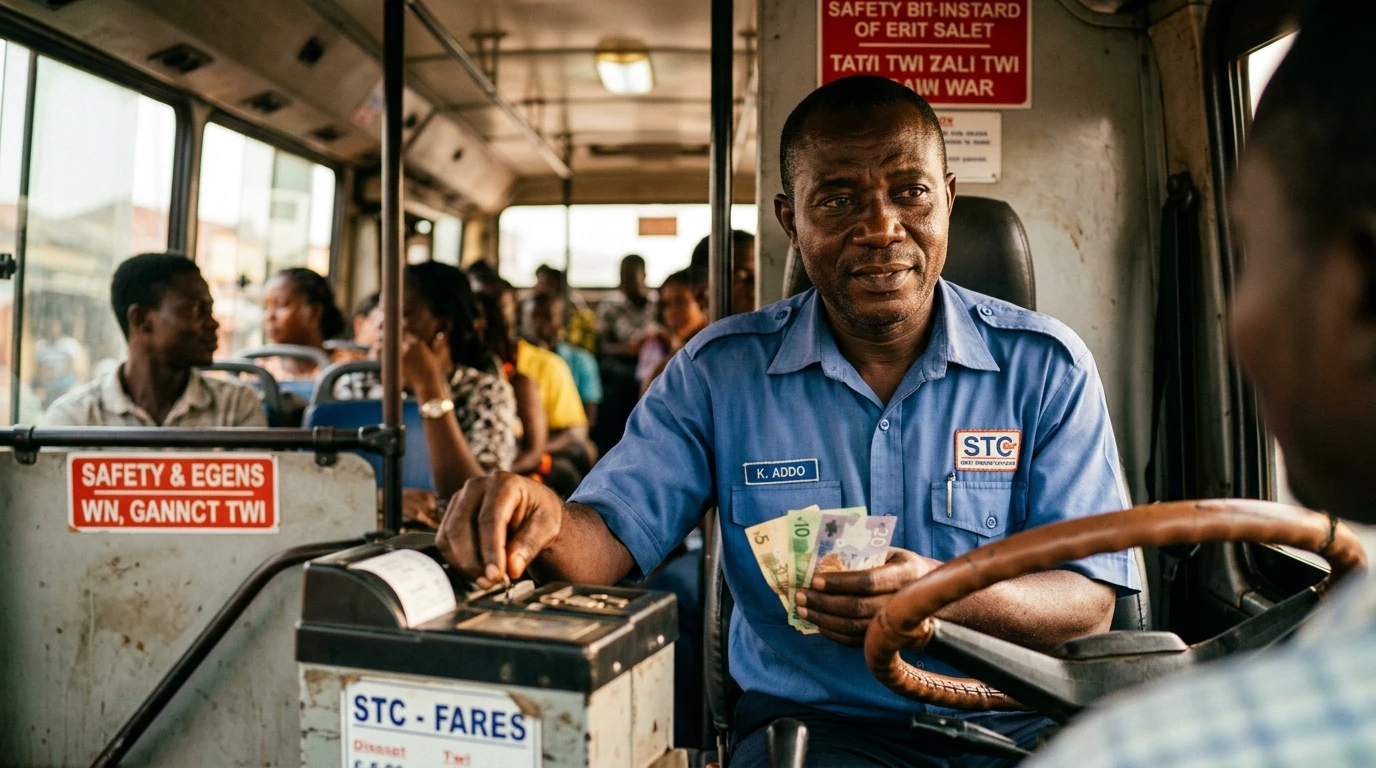
Where Does Your Fare Money Go? A Breakdown of Operator Costs
Ever wondered what happens to the money you hand over to the daladala conductor? Here is an approximate breakdown of how transport operators typically allocate their revenue, based on industry data and operator interviews collected by transport analysts in Tanzania:
🥧 Approximate Breakdown of Transport Operator Costs (Urban Daladala)
*Approximate figures based on industry estimates. Actual costs vary by operator size, route, and vehicle type.*
What this chart tells us is sobering: operators are not getting rich from your fare. The margin for profit is razor-thin. When fuel costs rise by even 10%, it can wipe out a small operator's entire profit margin, which is why fare adjustments become unavoidable.
The Human Side of Transport Fares: Stories That Will Move You
Numbers and tables are important, but they can only tell part of the story. The real story of Tanzania's transport fares is written in the daily lives of ordinary people. Let us hear some of those stories — because they matter.
Mama Rehema's Journey
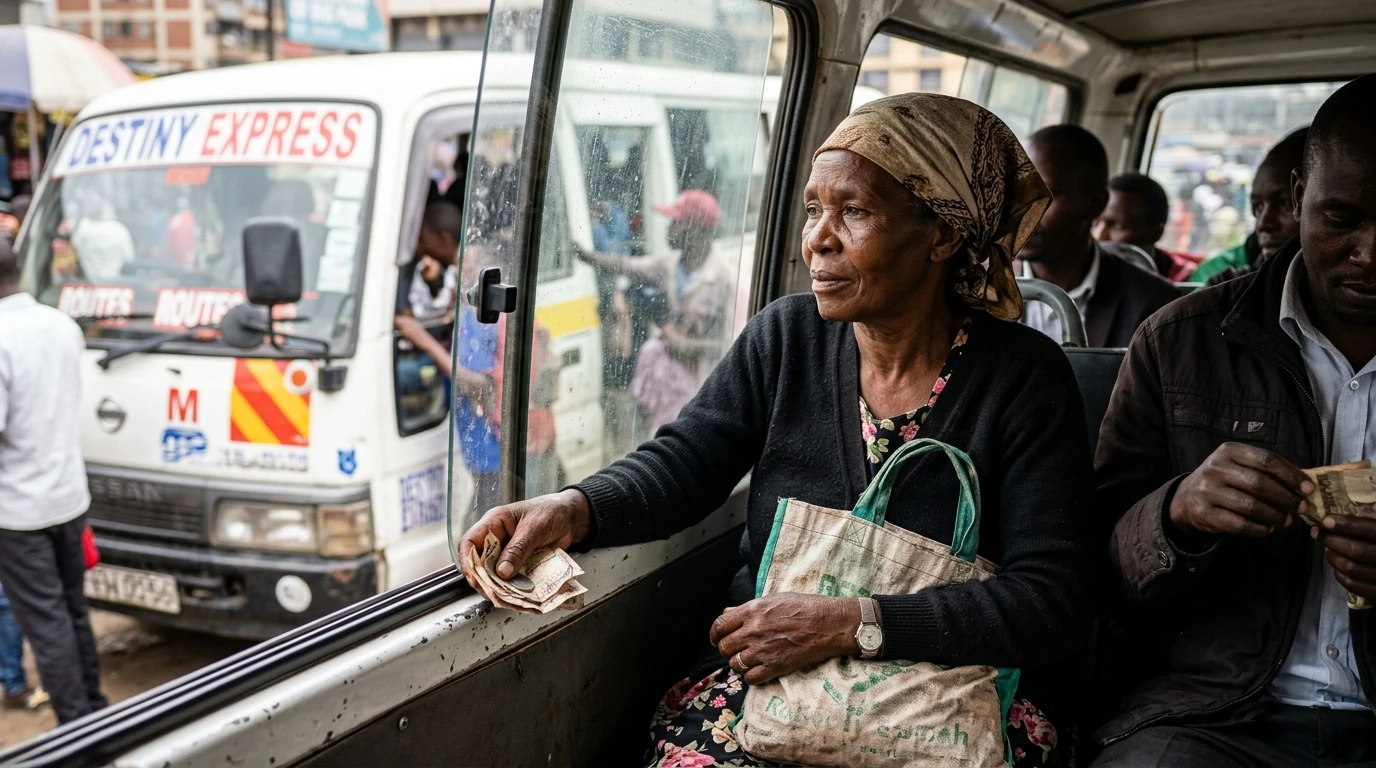
Mama Rehema is a vegetable seller in Dar es Salaam. Every morning, she wakes up at 4:30 AM to travel from Mbagala to Kariakoo market — a journey of roughly 18 kilometres. Before the fare adjustment, she spent about TZS 1,000 on transport each way. Now, the same journey costs her TZS 1,200–1,500.
That extra TZS 400–500 per day does not sound like much. But over a month, it adds up to TZS 12,000–15,000. For Mama Rehema, that is the equivalent of a day's earnings. She has had to adjust — waking up even earlier to sometimes walk part of the route, packing her lunch more carefully, and cutting costs wherever she can.
But here is the inspiring part: Mama Rehema has not given up. She formed a small savings group with four other market vendors in her neighbourhood. Together, they take turns sharing transport costs, sometimes hiring a single pickup truck to carry all of their produce at once — splitting the cost and actually saving more than they would individually on daladala fares.
"Hali ikiwa ngumu, tunasaidiana. That is how we have always done it in Tanzania — when things get hard, we help each other." — A sentiment echoed by many market traders across Dar es Salaam
Rashidi's Bodaboda Dream
Rashidi is a 26-year-old bodaboda rider in Mwanza. When the new fare guidelines were announced, his first reaction was concern — would passengers refuse to pay more? Would he lose customers to competitors?
But Rashidi did something smart. He registered with LATRA's bodaboda licensing programme, got his official identification vest, and started prominently displaying his LATRA-approved fare chart on his motorcycle. His message to customers was clear: "I follow the rules. I am safe. My fares are official."
The result? While unlicensed riders who overcharged and undercharged erratically began losing trust, Rashidi's customer base grew. Regular clients — office workers, students, shopkeepers — started specifically requesting him by name. His income actually increased, not because fares went up dramatically, but because trust and reliability became his competitive advantage.
Rashidi's story is a reminder that within every challenge, there is an opportunity — if you are willing to do things the right way.
DART BRT: Tanzania's Urban Transport Revolution
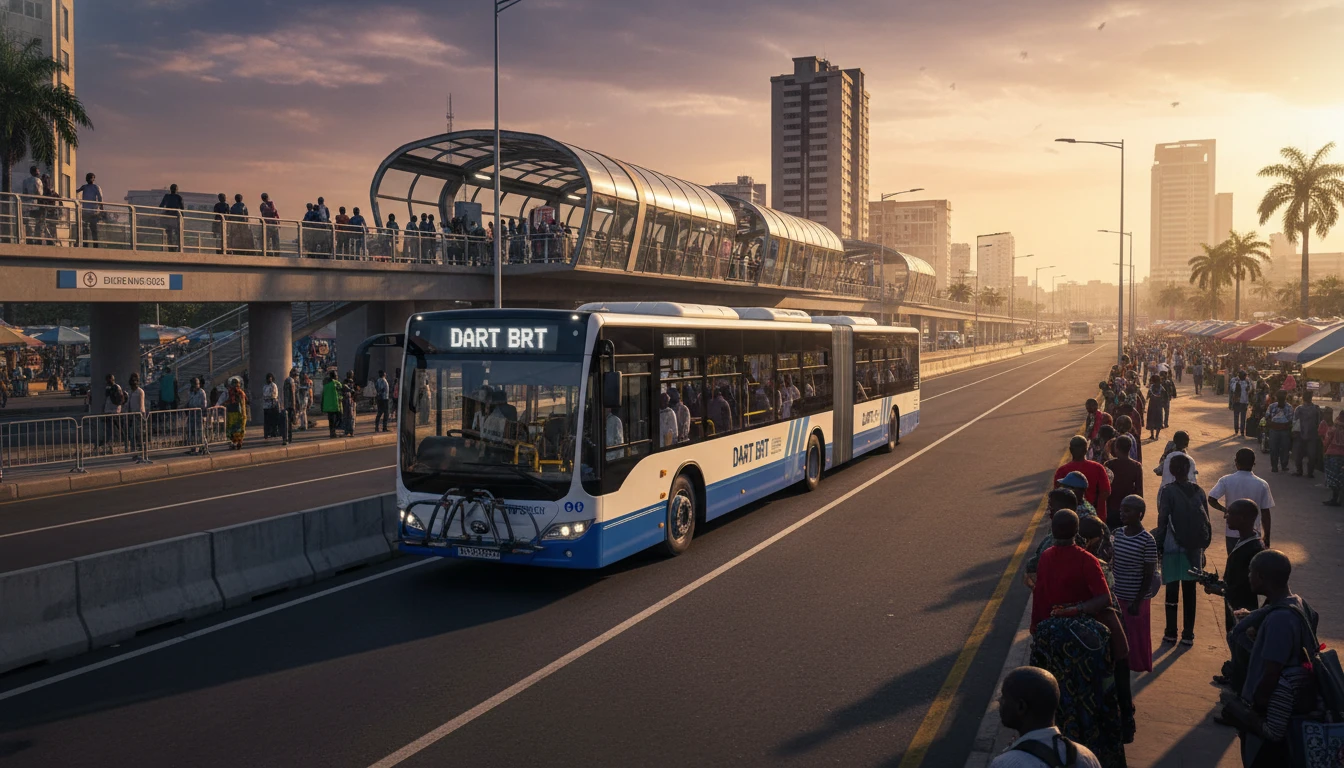
No discussion of Tanzania's transport fares would be complete without talking about the DART (Dar Rapid Transit) Bus Rapid Transit system — arguably the most significant transformation in Dar es Salaam's public transport history.
DART is a high-capacity, dedicated-lane bus system that runs along major corridors in Dar es Salaam. It was developed with support from the World Bank and is managed by the Surface and Marine Transport Regulatory Authority's successor bodies under government oversight.
How DART Fares Compare
DART fares are structured differently from regular daladala fares. Passengers purchase cards (smartcards) and tap them at turnstiles — a system designed to eliminate fare disputes, reduce corruption, and improve efficiency.
| DART Fare Type | Details | Approximate Cost |
|---|---|---|
| Single Journey (any distance on route) | Tap-in, tap-out smartcard system | TZS 650–800 |
| Smartcard Purchase | One-time card fee (refundable) | TZS 1,000–2,000 |
| Monthly Pass (regular commuters) | Unlimited rides within period | TZS 30,000–50,000 (estimates) |
| Student Concession | Discounted rates for students with valid ID | Subject to periodic review |
- Air-conditioned buses on select routes
- Dedicated bus lanes (faster travel time)
- Official stops (no random pickups — safer for passengers)
- No overcrowding beyond capacity limits
- Officially tracked complaints system
According to the World Bank's Transport Global Practice, BRT systems in developing countries typically reduce average commute times by 20–30% and significantly improve transport safety outcomes. For Dar es Salaam, a city that previously ranked among the most congested in East Africa, DART represents genuine progress.
Rural Tanzania: The Transport Challenge Nobody Talks About Enough
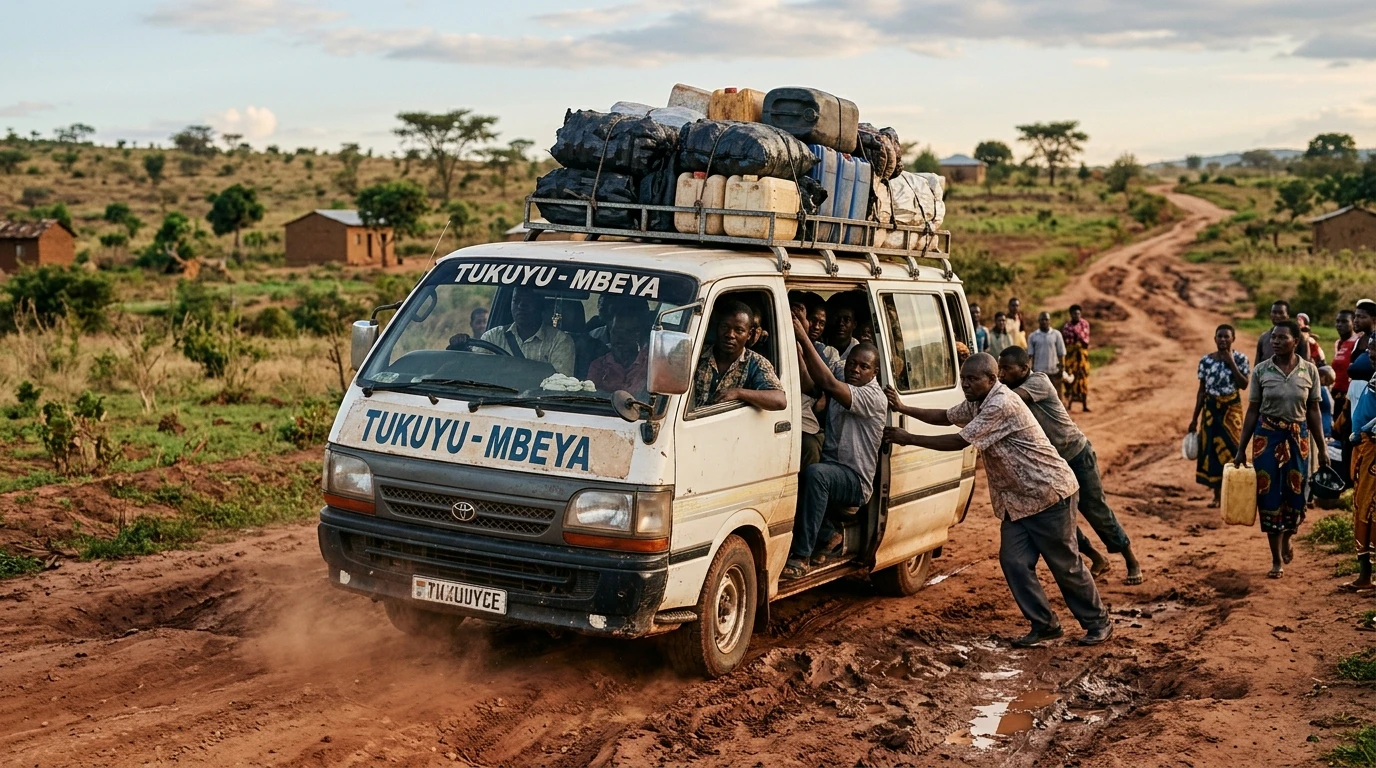
Here is a truth that often gets lost in discussions about transport fares: the challenges are not equal across Tanzania. Urban commuters in Dar es Salaam have dozens of transport options. But in rural Tanzania — which is home to the majority of the country's population — options are severely limited.
In many rural districts, the only public transport available is:
- Infrequent buses that may only pass once or twice a day
- Bodaboda motorcycles that serve as ambulances, taxis, and cargo carriers all at once
- Shared pickup trucks (known as gari la mizigo) that carry both people and goods
- Walking — for many rural Tanzanians, especially women and children, walking several kilometres to reach transport is a daily reality
According to the International Fund for Agricultural Development (IFAD), poor rural transport connectivity is one of the leading causes of agricultural losses in Tanzania, as farmers cannot get their produce to markets quickly enough. It also contributes to delayed medical care, with patients sometimes travelling for hours to reach a health facility.
How New Fare Structures Affect Rural Communities
When LATRA adjusts inter-city or regional bus fares, the effects are felt acutely in rural communities. A family in Iringa sending their child to secondary school in Dar es Salaam may now face significantly higher travel costs for that child to come home during school breaks. A pregnant woman in Tabora who needs to travel to a regional hospital for a check-up faces a genuine financial burden.
This is why advocacy groups and civil society organisations in Tanzania consistently call for rural transport subsidies and differentiated fare structures that protect the most vulnerable communities from the full impact of fare increases.

How Are Transport Fares Actually Set in Tanzania? The Process Demystified
Many people assume that transport fares are set arbitrarily or by political decision. The truth is more nuanced — and more interesting.
- Cost Analysis by LATRA: LATRA's technical team conducts regular analyses of operator costs — fuel, maintenance, wages, insurance, and permits — for different route categories and vehicle types.
- Stakeholder Consultations: LATRA consults with transport operators' associations (such as DARCOBOA in Dar es Salaam), passenger advocacy groups, and government ministries before finalising any fare adjustments.
- Comparative Benchmarking: Tanzania's fare levels are compared with regional neighbours (Kenya, Uganda, Rwanda) and aligned with international best practices in public transport regulation.
- Public Notice: Once approved, new fares are published in the official Government Gazette and communicated through LATRA's website, social media, and public notices at bus terminals.
- Enforcement: LATRA officers and transport police monitor compliance. Operators caught charging above the approved fares face fines and potential licence suspension.
- Know the official fare before boarding
- Receive a ticket or receipt where applicable
- Travel in a licensed, roadworthy vehicle
- Report overcharging without fear of retaliation
10 Smart Tips to Navigate Tanzania's New Transport Fares and Save Money
Knowledge is power — and now that you understand Tanzania's transport fare system, here are practical, actionable tips to help you travel smarter and spend less.
- Know the Official Fares Before You Board: Check LATRA's website or ask at the official bus terminal. Knowing the correct fare before you get on means you cannot be overcharged.
- Use DART Where Possible: For routes covered by the BRT system in Dar es Salaam, DART offers consistent, regulated fares and faster travel times. The smartcard system also eliminates the "no change" excuse from conductors.
- Travel During Off-Peak Hours:
- Travel During Off-Peak Hours: Peak hours in major Tanzanian cities — typically 6:30–9:00 AM and 4:30–7:30 PM on weekdays — mean longer travel times, more crowded vehicles, and occasionally opportunistic overcharging. If your schedule allows, travelling between 10:00 AM and 3:00 PM can mean shorter journeys, less stress, and in some cases, more flexibility to negotiate bodaboda fares.
- Book Long-Distance Tickets in Advance: For inter-city travel, booking your seat at least 24–48 hours ahead is one of the most reliable ways to avoid inflated last-minute prices. Reputable companies like Dar Express, Kilimanjaro Express, and Royal Coach now offer online and mobile bookings — meaning you can lock in the regulated fare from wherever you are.
- Carry Small Change: One of the most common frustrations on Tanzania's public transport is the conductor claiming they have no change for large notes. Always carry small denominations — TZS 500 and TZS 1,000 notes — especially for daladala and bodaboda rides. It saves time, avoids arguments, and occasionally helps other passengers too.
- Form Transport Savings Groups: Take a leaf from Mama Rehema's book. If you and your neighbours or colleagues travel similar routes daily, consider pooling resources. Hiring a shared vehicle together — especially for early-morning or late-night journeys — can cost each person significantly less than individual daladala or bodaboda fares, while also being safer.
- Use Ride-Hailing Apps With Caution: Platforms such as Bolt and inDriver are available in Dar es Salaam and a growing number of Tanzanian cities. They offer price transparency and GPS-tracked rides, which is a genuine safety advantage. However, surge pricing during peak hours or bad weather can push costs above the regulated bodaboda rates, so always compare before confirming a booking.
- Know the Difference Between Licensed and Unlicensed Operators: Licensed daladala operators and bodaboda riders carry LATRA-issued identification and are required to follow regulated fares. Unlicensed operators — who often loiter just outside formal terminals — may offer lower prices upfront but carry higher risks: no insurance, no accountability, and no recourse if something goes wrong. The slightly higher regulated fare is nearly always worth the added protection.
- Leverage Student and Senior Concessions: If you are a student or senior citizen, ask specifically about concession rates. Not all operators advertise these proactively, but LATRA's fare guidelines do include provisions for reduced fares for certain passenger categories on specific route types — particularly on the DART BRT system. Carry your student ID or relevant documentation and ask before assuming no discount exists.
- Report Overcharging — Every Time: This is perhaps the most powerful tip of all. Every time a passenger stays silent after being overcharged, it emboldens operators to continue the practice. Every time someone reports it, the system gets incrementally stronger. You can report overcharging to LATRA via latra.go.tz, through their regional offices, or by calling their official customer service line. Your voice matters more than you might think.
- LATRA (Land Transport Regulatory Authority): latra.go.tz
- DART BRT Customer Service: Available at all DART stations and online
- EWURA (Fuel Price Information): ewura.go.tz
- Tanzania National Bureau of Statistics: nbs.go.tz
- Ministry of Works, Transport and Communications: mot.go.tz
- Fares have increased across major routes, driven by rising fuel prices and operational costs for transport operators.
- Both urban and inter-regional commuters are affected, with the heaviest impact felt by low-income daily commuters.
- The government has cited infrastructure improvement and transport sector sustainability as key justifications for the new rates.
- Transport operators welcome the relief, though consumer advocacy groups are calling for stronger passenger protections.
- Monitoring and enforcement remain critical — overcharging above official rates has already been reported in several regions.
The Bigger Picture: What Tanzania's Transport Sector Tells Us About the Country's Future
Step back for a moment from the fares, the tables, and the practical tips. Look at the bigger picture. Because Tanzania's transport sector is not just a logistical story — it is a story about where this country is going, and how fast it plans to get there.
Tanzania is one of the fastest-growing economies in Sub-Saharan Africa. According to the International Monetary Fund (IMF), Tanzania maintained an average GDP growth rate of approximately 6–7% annually over the past decade, even navigating global shocks with notable resilience. A growing economy needs a transport system that can grow with it — and Tanzania's government and regulatory bodies are clearly aware of this imperative.
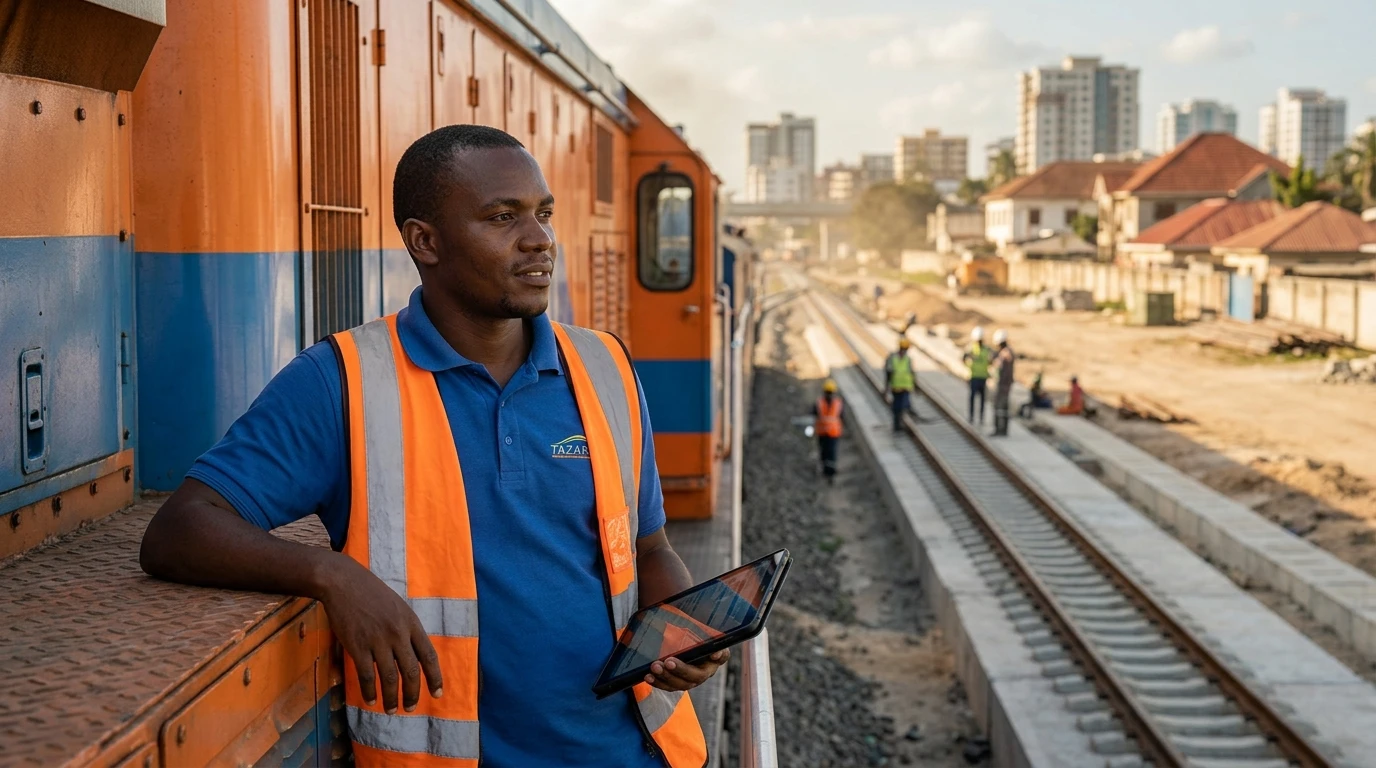
The DART BRT expansion, the ongoing upgrade of the Tanzania-Zambia Railway Authority (TAZARA) rail network, the development of the Standard Gauge Railway (SGR) linking Dar es Salaam to the interior — these are not isolated infrastructure projects. They are pieces of a deliberate national strategy to build a transport backbone capable of supporting a middle-income economy by 2025 and beyond, in alignment with Tanzania's Development Vision 2025.
Within this broader context, fare regulation is not simply bureaucratic number-crunching. It is the mechanism by which Tanzania ensures that the benefits of economic growth reach ordinary citizens — the mama mboga, the university student, the bodaboda rider — and not just those at the top. A well-regulated, affordable, and efficient transport system is, in the most literal sense, a vehicle for social equity.
Challenges remain enormous. Road safety continues to be a serious concern — the World Health Organization (WHO) estimates that Tanzania loses thousands of lives annually to road traffic accidents, with a significant proportion involving public transport vehicles. Infrastructure gaps between urban and rural areas persist. Informality in the transport sector — unlicensed operators, ghost routes, underpaid workers — undermines the system's efficiency and safety.
But progress is visible and measurable. LATRA's institutional capacity has grown. Digital ticketing is expanding. The BRT model is being studied by other East African cities as a template worth replicating. And at the grassroots level, transport operators, passengers, and community groups are finding creative, resilient ways to keep Tanzania moving — exactly as they always have.
"Transport is the foundation of development. Without movement, there is no progress — economic or social." — A principle echoed consistently by the African Union's transport policy frameworks and Tanzania's own national development planners
That foundation is being built, strengthened, and sometimes renegotiated — fare by fare, route by route, policy by policy. And every Tanzanian who understands the system, uses it wisely, and advocates for its improvement is part of that process.
Digital Innovation in Tanzania's Transport Sector: Technology Changing How the Country Moves
One of the most exciting — and often underreported — dimensions of Tanzania's transport story is the role that digital technology is beginning to play in reshaping how people move, pay, and plan their journeys. Across the country, from the congested streets of Dar es Salaam to the winding roads of Morogoro, innovation is quietly transforming an industry that was once almost entirely cash-based and informal.
This transformation matters enormously in the context of Tanzania's new transport fares. Technology is not just making travel more convenient — it is making fare regulation more enforceable, more transparent, and ultimately more fair for everyone involved.
Mobile Money and Cashless Payments
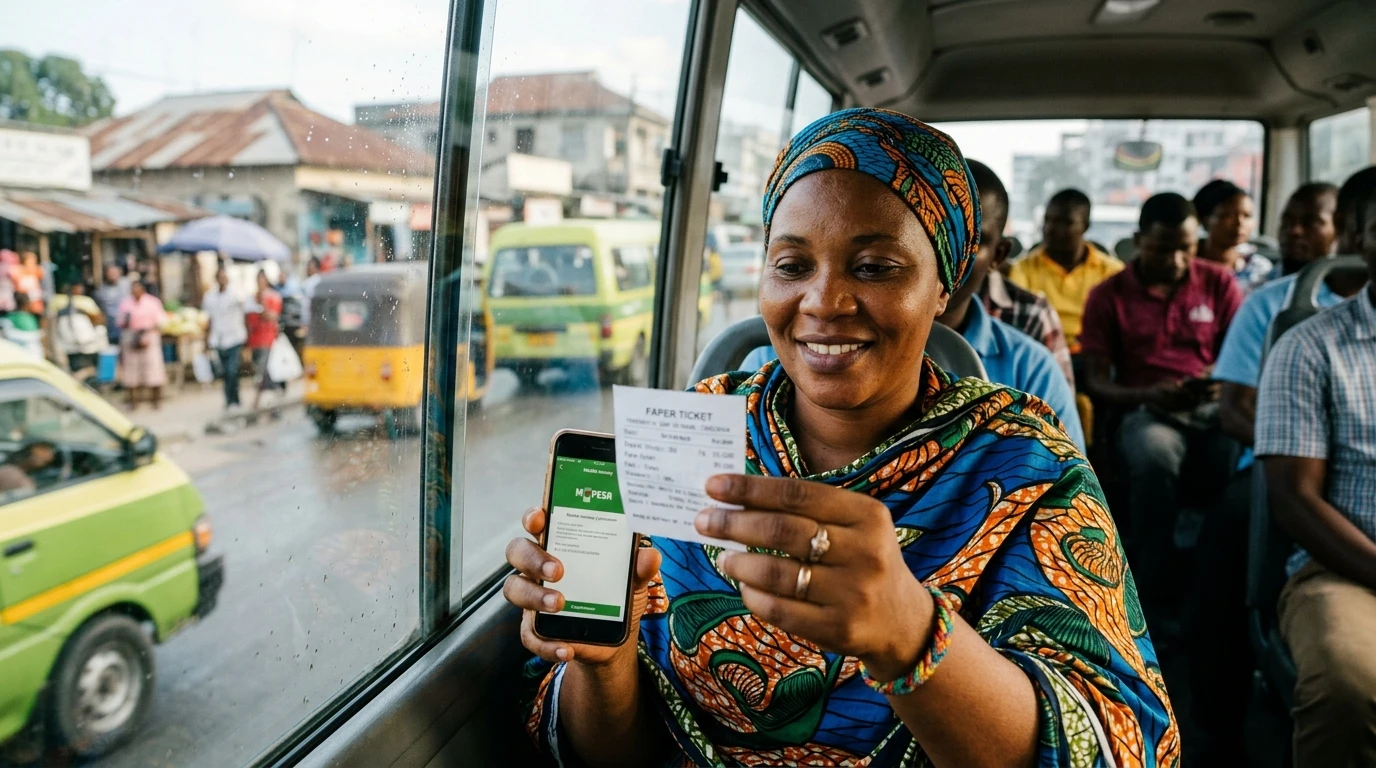
Tanzania has one of the highest mobile money penetration rates on the African continent. According to the Bank of Tanzania's 2023 Annual Report, mobile money transactions in Tanzania exceeded TZS 200 trillion in value annually, with platforms such as M-Pesa, Airtel Money, and Tigo Pesa deeply embedded in everyday life. This mobile money infrastructure is now beginning to intersect with the transport sector in meaningful ways.
The DART BRT system's smartcard model is the most visible example — but it is not the only one. An increasing number of long-distance bus companies now accept mobile money payments for ticket purchases, reducing the need for passengers to carry large amounts of cash. This has particular significance for safety: passengers who do not carry wads of cash are less vulnerable to theft at bus terminals, which have historically been hotspots for opportunistic crime in major Tanzanian cities.
For bodaboda riders, platforms like Bolt and the locally developed Nango app are enabling cashless transactions that automatically apply standardised fares — reducing the negotiation friction that has long characterised motorcycle taxi travel and providing both riders and passengers with a transparent, recorded transaction. Rashidi, our bodaboda rider from Mwanza whom we met earlier in this article, represents exactly the kind of operator who stands to benefit most from these digital tools — formalising his business, building a verifiable rating, and accessing a wider customer base.
Real-Time Route and Fare Information
One of the most practical technological developments for everyday commuters is the growing availability of real-time transport information. Several initiatives — some government-supported, others driven by private entrepreneurs and civil society organisations — are working to make route maps, fare schedules, and vehicle tracking data accessible to ordinary Tanzanians through smartphone applications and USSD codes accessible even on basic feature phones.
This matters deeply because one of the primary ways overcharging occurs is through information asymmetry: passengers who do not know the official fare are far more easily exploited than those who do. When a commuter in Temeke can quickly check on their phone that the regulated daladala fare to Kariakoo is TZS 600 — not the TZS 900 a conductor is demanding — that information becomes a form of economic protection.
Data-Driven Regulation: How Technology Is Strengthening LATRA's Hand
From LATRA's perspective, technology is also fundamentally changing how regulation is enforced. GPS tracking requirements for registered long-distance buses — already mandatory under existing LATRA licensing conditions — allow authorities to monitor route compliance, driver behaviour, and vehicle speed in real time. This has direct safety implications: speeding, one of the leading causes of fatal road accidents in Tanzania, becomes far harder to conceal when every kilometre of a journey is digitally logged.
Furthermore, digital ticketing systems generate audit trails that make fare manipulation and revenue skimming — problems that have historically plagued public transport operators and their employees alike — significantly harder to sustain. When every transaction is recorded, accountability follows naturally.
According to the International Transport Forum (ITF), transport systems that successfully integrate digital payment and monitoring technologies typically see fare compliance rates improve by 15–25% within the first two years of implementation. For Tanzania, which is still in the relatively early stages of this digital integration, the trajectory is encouraging — even if the journey is far from complete.
Frequently Asked Questions About Tanzania's New Transport Fares
Based on the questions Tanzanians are actually asking — in bus queues, on social media, at community meetings, and via LATRA's own public information channels — here are clear, honest answers to the most common queries about the new fare structure.
Are the new transport fares official and legally binding?
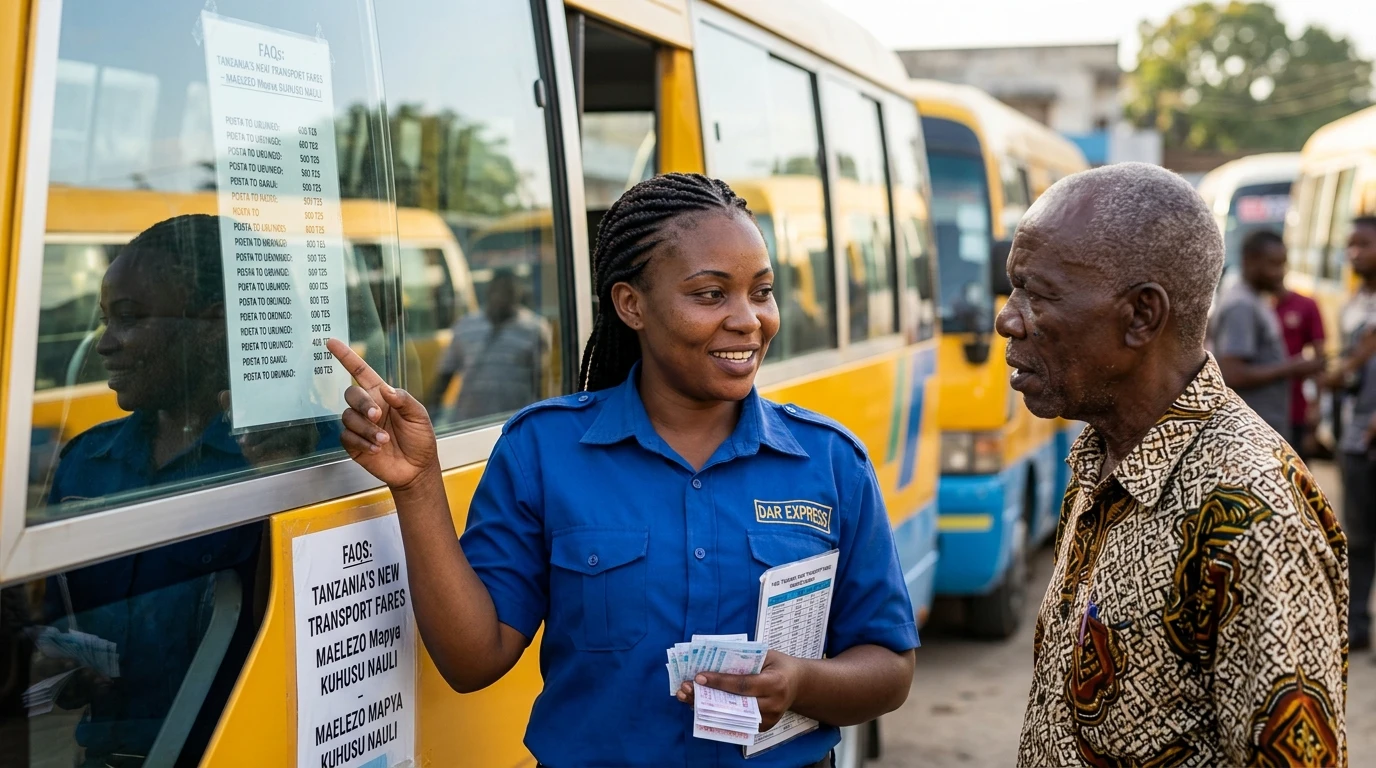
Yes. Fares published by LATRA in the official Government Gazette are legally binding on all licensed transport operators. Operators who charge above the approved rates are in violation of their licence conditions and can face fines, suspension, or licence revocation. Passengers who are overcharged have the legal right to report the incident to LATRA.
Do the new fares apply everywhere in Tanzania, including rural areas?
LATRA's fare schedules distinguish between urban routes, regional routes, and inter-city long-distance routes. Rural and peri-urban areas may have different applicable fare categories. The key principle is that any licensed operator — regardless of location — must adhere to the fare structure relevant to their route type. Unlicensed operators, who are unfortunately more common in remote rural areas, fall outside LATRA's direct enforcement reach, which is part of why formalisation of the rural transport sector remains a policy priority.
Why are executive and VIP bus fares so much higher than economy fares?
Executive and VIP class buses offer enhanced services — wider seats, air conditioning, onboard entertainment, guaranteed seating, and in some cases meals or refreshments. These additional operational costs are factored into the higher fare tier, which LATRA approves separately from standard economy fares. Passengers choose the level of service they can afford and prefer — there is no regulatory obligation to travel in the higher fare class.
Can bodaboda riders legally charge whatever they want?
No — licensed bodaboda operators are required to adhere to LATRA's fare guidelines for motorcycle taxi services. In practice, enforcement is challenging given the sheer number of bodaboda riders and the informal nature of many transactions. However, riders who are formally registered and display their LATRA identification are subject to the official fare schedule. Passengers who use ride-hailing app platforms for bodaboda rides have additional fare transparency through the app's pricing algorithm.
Will transport fares keep rising every year?
LATRA reviews and adjusts fares periodically — not necessarily annually — based on changes in fuel prices, inflation, operating costs, and other economic factors. There is no predetermined schedule of annual increases. When economic conditions stabilise or fuel prices decrease, fare reviews can result in maintained or even reduced fares. Transparency from LATRA about the factors driving any fare change is essential for public trust, and the authority has been increasingly proactive in communicating its reasoning publicly.
Is there financial assistance available for low-income commuters?
Currently, Tanzania does not have a nationwide, formalised transport subsidy programme specifically targeting low-income urban commuters — unlike some peer countries such as South Africa, which operates a taxi subsidy model. However, the student concession rates on DART, various employer transport allowance schemes in the formal sector, and community-level solidarity initiatives — like the savings groups formed by market traders — serve as informal safety nets. Advocacy for a more structured transport assistance programme for vulnerable populations remains an active area of civil society engagement in Tanzania.

Final Thoughts: Keep Moving, Tanzania
We started this journey in the early morning streets of Dar es Salaam — with Mama Rehema counting her coins, a student worrying about fares, and Rashidi starting his engine. We end it in the same place: with real people, navigating a real system, with real dignity and resilience.
Tanzania's new transport fares are not simply numbers on a government gazette. They are the product of competing economic pressures, regulatory decisions, global fuel markets, and local political choices. Understanding them — truly understanding them — means understanding something important about how Tanzania works, and how it is trying to grow.
The system is imperfect. Rural transport gaps persist. Enforcement is uneven. Informal operators remain outside the regulatory net. The cost of daily commuting places a genuine burden on low-income households that deserves greater policy attention. These are real challenges, and they deserve honest acknowledgement.
But progress is also real. The DART BRT system is moving hundreds of thousands of passengers daily. Digital payments are reducing cash-based exploitation. LATRA is strengthening its institutional capacity. And at every level — from individual bodaboda riders building trusted businesses to community savings groups sharing transport costs — Tanzanians are doing what they have always done: finding a way forward, together.
Whether you are a daily commuter, a long-distance traveller, a transport operator, or simply someone who wants to understand the country they call home — you now have the knowledge to navigate Tanzania's transport system with confidence, advocate for your rights as a passenger, and contribute to the broader conversation about how this sector should evolve.
The road ahead for Tanzania's transport sector is long — but it is being built, kilometre by kilometre, policy by policy, fare review by fare review. And every Tanzanian who travels it, understands it, and demands the best from it is helping to shape where it leads.
Keep moving, Tanzania. The destination is worth it.
About This Article
This guide was researched and written using publicly available information from the Land Transport Regulatory Authority (LATRA), the Tanzania National Bureau of Statistics (NBS), the African Development Bank (AfDB), the World Bank Transport Global Practice, the International Monetary Fund (IMF), the World Health Organization (WHO), and the International Transport Forum (ITF). Fare figures cited are indicative and based on LATRA's published fare schedules at the time of writing. Always verify current fares directly with LATRA at latra.go.tz or at official bus terminals before travelling, as fares are subject to periodic revision.
Have a question about Tanzania's transport fares that we did not answer? Drop it in the comments below — our team reads every message and will do our best to help. And if this guide was useful to you, share it with someone who needs it. That mama at the bus stop counting her coins might be grateful you did.
Conclusion: Navigating Tanzania's New Transport Landscape
Tanzania's new transport fares represent more than just a number change on a ticket — they signal a broader shift in how the government balances economic sustainability with the everyday realities of ordinary citizens. As fuel costs, infrastructure investment, and post-pandemic recovery continue to shape public policy, understanding these fare adjustments is essential for commuters, business owners, and transport operators alike.
The Tanzania new transport fares rollout has sparked legitimate conversations about affordability, equity, and the future of urban and rural mobility across the country. Whether you travel daily from Dar es Salaam to Dodoma or rely on local daladala services to get to work, these changes will touch your pocket in real and measurable ways.
✅ Key Takeaways
If you are a regular commuter, take a screenshot of the official Tanzania new transport fares chart and save it to your phone — that way, you can immediately identify if you are being overcharged and report it to the Surface and Marine Transport Regulatory Authority (SUMATRA) via their official hotline.
Tanzania's transport story is still being written. How these fares evolve over the next 12 months will tell us everything about whether this policy serves the people — or simply the system.